Climate on the Plate: How Global Warming is Reshaping Indian Agriculture and Exports (2026)
The climate change impact Indian agriculture is no longer a distant forecast; it is showing up in this season’s yields, this quarter’s prices, and next year’s supply contracts. For global buyers, climate risk has moved from an ESG footnote to a core sourcing question: can my supplier still deliver the volume, quality and price we agreed on when the monsoon fails?
That question is precisely why the climate change impact on Indian agriculture matters to importers, not just farmers. At Vipasvi Overseas Hubb, we treat climate volatility as a supply-chain design problem: a geographically diversified sourcing network, climate-smart partner farms and traceable inventory are how a buyer keeps shelves stocked when a single growing region has a challenging year. This guide explains the risk and how resilient sourcing turns it into a competitive advantage.
1. The Climate Change Impact Indian Agriculture: 2026 Snapshot
The climate change impact on Indian agriculture is measurable and well documented. Studies indicate India’s mean temperatures are rising 1–1.5°C above pre-industrial levels, causing heat stress during critical crop stages, faster maturation that lowers grain weight and nutrition, and higher irrigation demand.
The yield numbers are stark. Senior officials from the Ministry of Earth Sciences and IMD have warned that rice and wheat production could decline 6–10% due to climate change. Longer-term, the National Innovations in Climate Resilient Agriculture (NICRA) projects wheat yields dropping 6–25% by 2100 and irrigated rice falling 7% by 2050 and 10% by 2080. Wheat is especially sensitive to heat during grain filling.
Vulnerability is structural: over 65% of Indian farmland is rain-fed, so an erratic monsoon translates almost directly into yield risk. That single fact is the root of most of the climate change impact on Indian agriculture that buyers feel downstream.
2. Monsoon Impact on Crop Exports
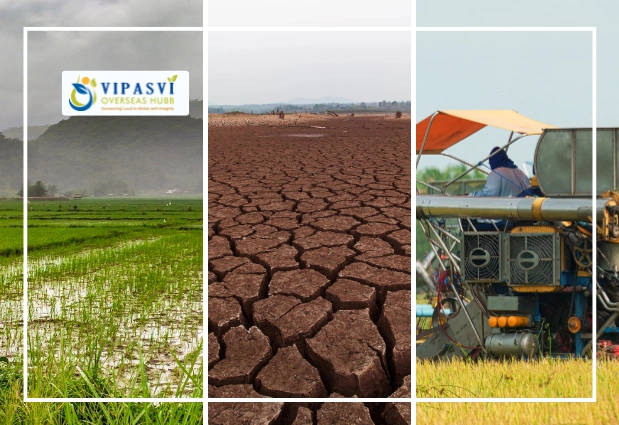
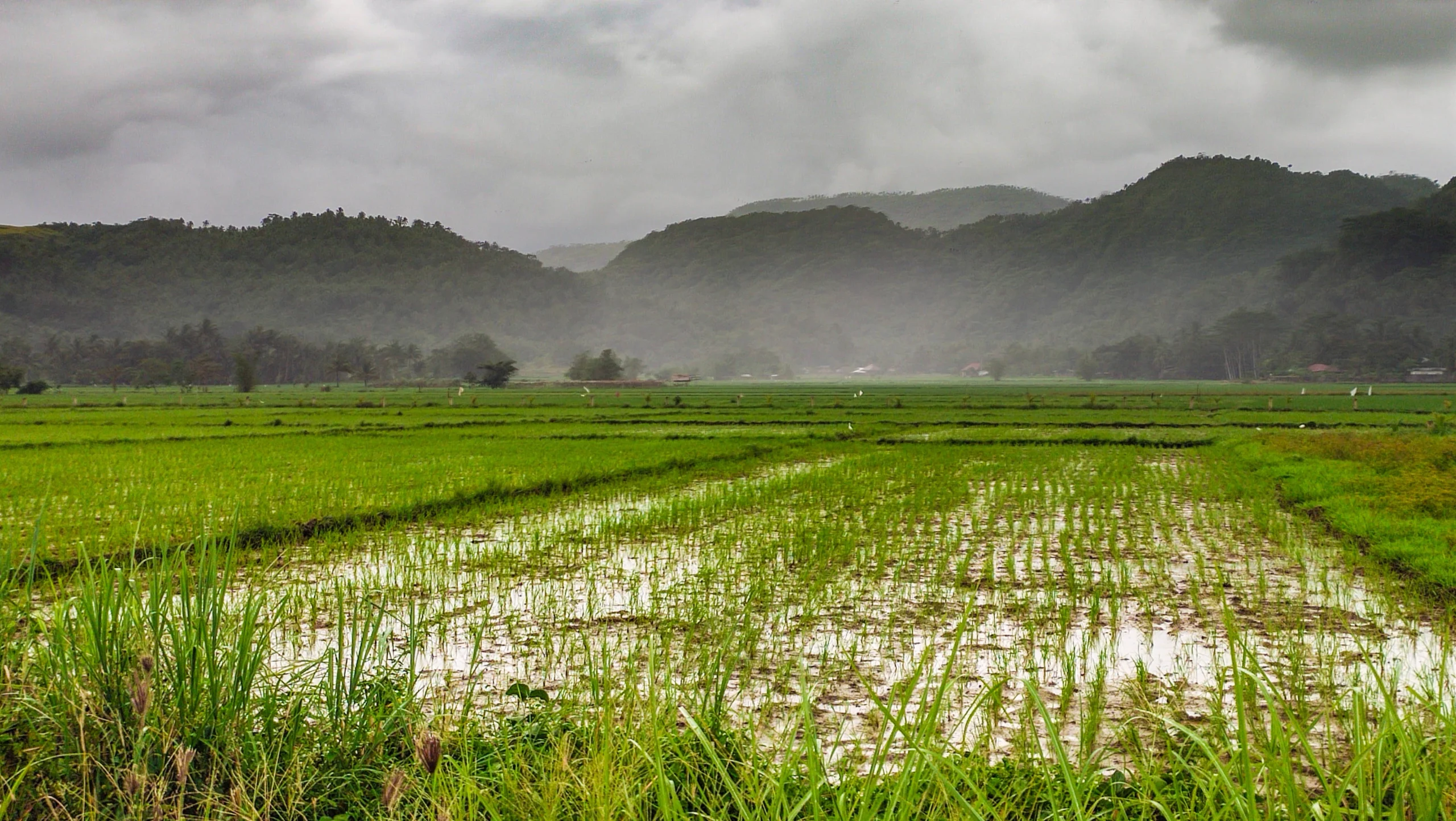
For an importer, the monsoon impact on crop exports is where climate risk becomes a purchase-order problem. With most farmland rain-fed, unpredictable monsoons mean farmers face both prolonged dry spells and sudden flooding, disrupting planting schedules and crop growth in the same season.
Global warming is also weakening Western Disturbances, the weather systems that bring winter rains to northwest India’s wheat belt, while the lead time to predict heavy rainfall has shrunk from three days to about a day and a half. Less predictability upstream means the monsoon impact on crop exports shows up as tighter availability, quality variability and last-minute shipment risk downstream.
The practical consequence: a buyer relying on a single region or a single harvest window is exposed. Diversified, climate-aware sourcing is the hedge.
3. Weather Impact on Commodity Prices India
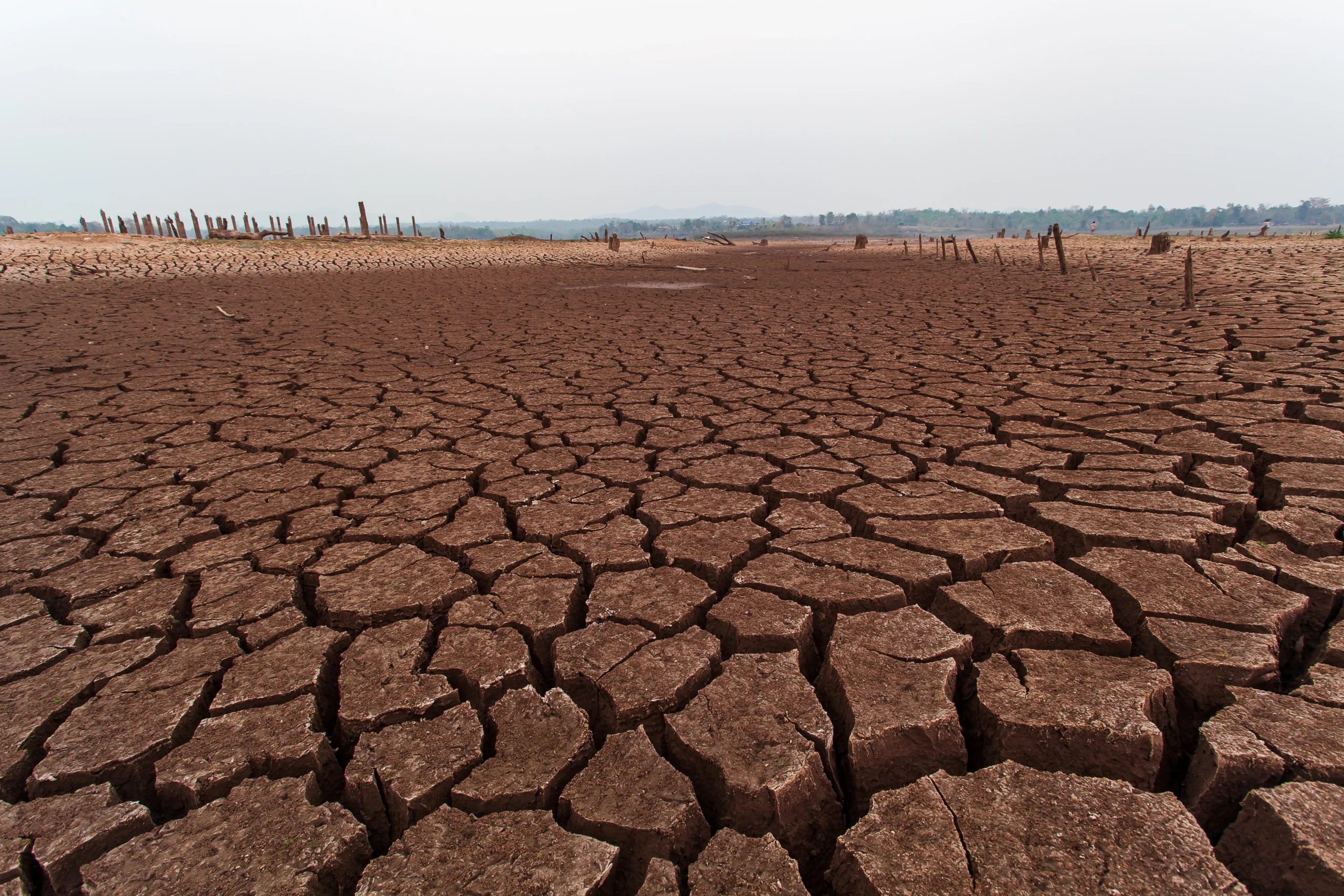
The weather impact on commodity prices in India is the mechanism that transmits a failed monsoon into your landed cost. When yields fall, domestic prices rise, and governments often respond with export duties, minimum export prices or outright bans to protect local supply, as seen repeatedly with onions and rice.
So the weather impact on commodity prices in India is really two risks stacked together: the market-price risk of a short crop and the policy risk of an intervention that reprices or halts your contract overnight. Buyers who understand this build in force majeure clauses, backup origins and flexible volumes, and they favour suppliers who can flex across regions when one belt is hit.
4. Climate Resilient Farming India: The Adaptation Toolkit
The encouraging half of the story: adaptation works. Research shows the negative impact of temperature is smaller in the long run than in the short run, evidence that farmers adapt when given the tools. Climate-resilient farming in India is that toolkit at a national scale.
Government programmes anchoring climate-resilient farming in India include the National Mission on Sustainable Agriculture (NMSA), NICRA, the Pradhan Mantri Krishi Sinchayee Yojana (efficient irrigation), Neeranchal (watershed development) and the Gramin Krishi Mausam Seva weather-advisory service. Crop choice matters too: pearl millet and cotton show far greater heat resilience than rice and wheat, which is why millets sit at the centre of India’s adaptation strategy.
For buyers, climate-resilient farming in India is not charity; it is supply insurance. Partner farms using resilient varieties and efficient irrigation deliver more consistent volumes across challenging seasons.
5. Climate-Smart Agriculture in Practice in India
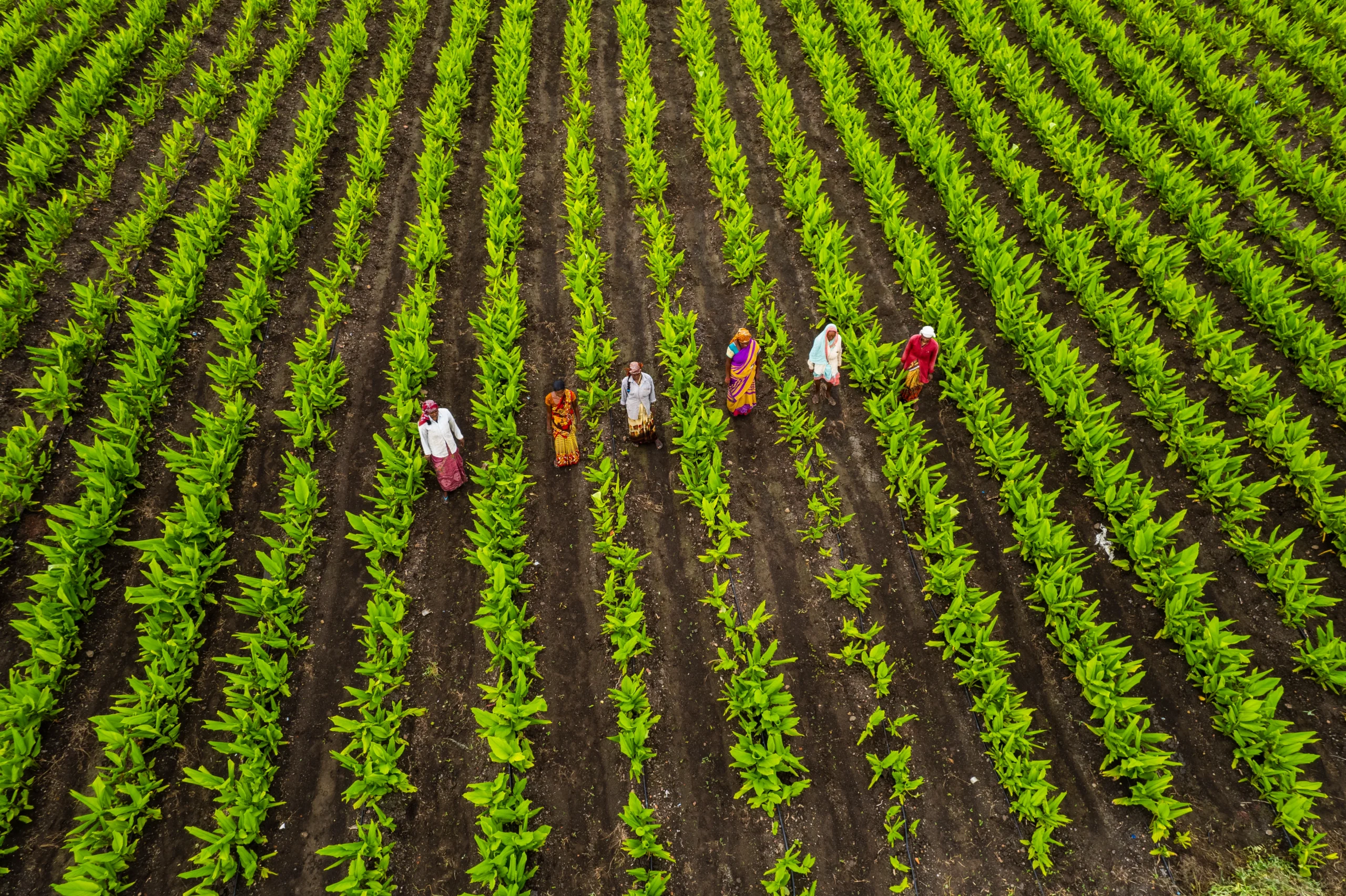
Climate-smart agriculture in India (CSA) combines traditional resilience with modern technology to stabilise both output and emissions. For an agribusiness, the value is procurement stability, not just field-level sustainability.
- Crop diversification & intercropping reduces pest pressure and the risk of total yield loss, creating more stable procurement pipelines and letting buyers hedge across regions and seasons.
- Efficient irrigation drip and micro-irrigation cut the water stress that heat amplifies.
- Satellite & IoT monitoring of real-time crop, soil moisture and carbon data supports faster, better sourcing decisions.
- Chemical-free methods, such as zero-budget natural farming and organic practices, align with clean-label export demand.
Climate-smart agriculture in India also opens up access to speciality, climate-resilient value chains for millets and regenerative-certified grains, which are increasingly sold at a price premium in the EU, US, and Japan.
6. Sustainable Agriculture Export India: The New Buyer Standard
India’s sustainable agriculture export has shifted from niche to baseline expectation. Import-dependent countries are building long-term supply partnerships and actively diversifying sourcing partners, and demand for traceable, sustainable, high-quality agro products is rising across Asia, Africa and the Middle East.
The premium markets are explicit. Germany and the Netherlands have seen a 40% rise in millet-based imports since 2023; Japan and South Korea are emerging as premium buyers of GI-tagged spices and Ayurvedic extracts precisely because of their focus on traceability and clean sourcing. Sustainable agriculture exports from India are how Indian suppliers reach those higher-margin shelves.
But there is still a credibility gap. APEDA’s 2025 export audit shows that only 12% of India’s millet-growing area is certified organic and less than 8% of turmeric exports have traceability credentials, meaning that verified, certified sustainable agriculture exports from India are still relatively scarce and therefore valuable.
7. Sustainable Sourcing Indian Agriculture: How Buyers De-Risk
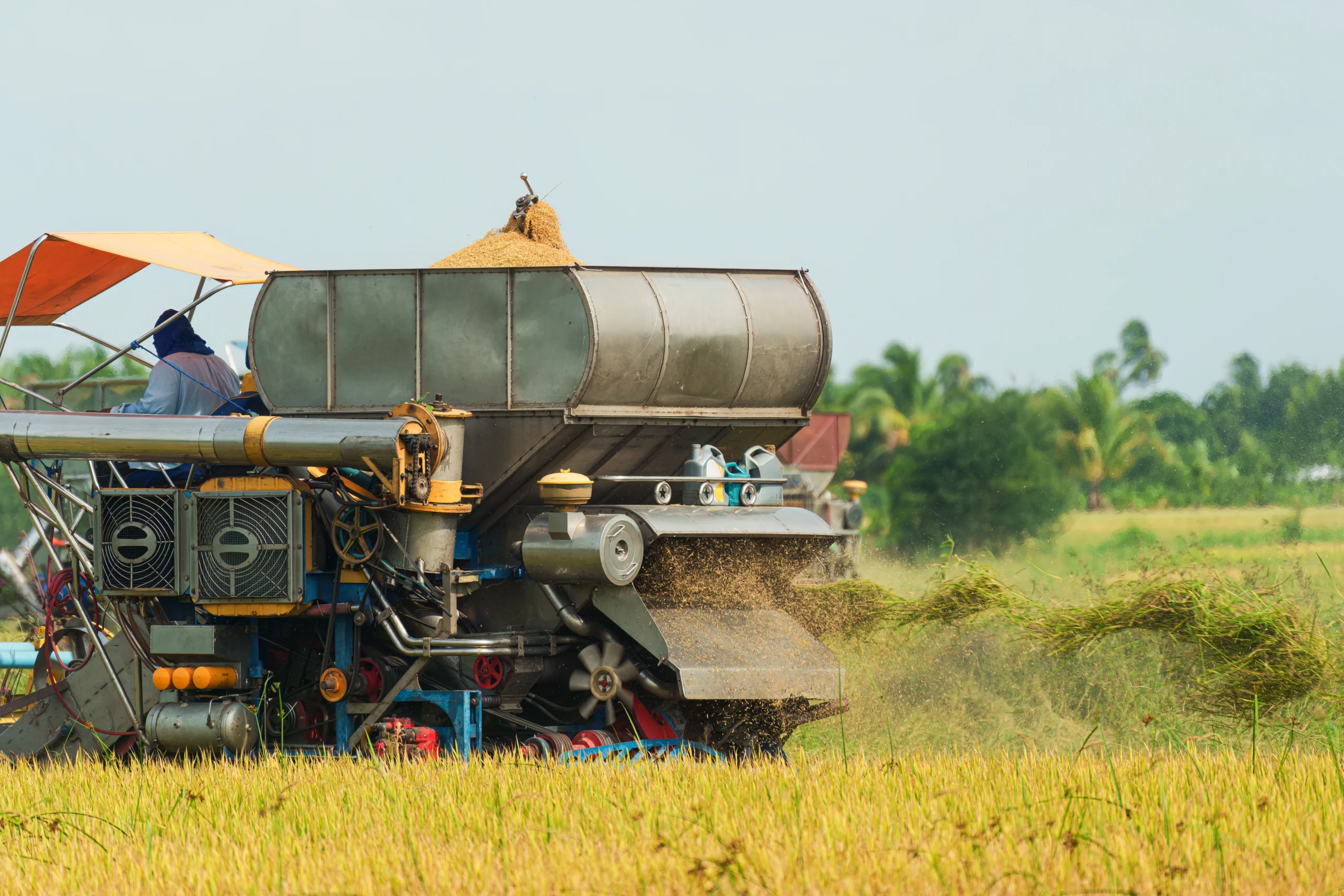
For importers, sustainably sourcing Indian agriculture is simultaneously a risk-management and a marketing tool. End-to-end traceability, tracking every batch from farm inputs through transport, warehousing and retail, is becoming the regulatory and consumer baseline, supported by blockchain and IoT.
A robust sustainable sourcing programme in Indian agriculture gives buyers three things: resilience through real-time data when supply shocks hit, compliance with the certifications that premium markets demand, and a verifiable sustainability story for their own customers. Certifications that matter include APEDA registration, FSSAI, organic (NPOP/USDA NOP), and third-party lab testing.
Done well, sustainable sourcing in Indian agriculture converts climate volatility from a threat into a differentiator. The buyer who can prove a clean, traceable, reliable supply wins shelf space; the buyer chasing the cheapest quote cannot.
8. How Our Network Manages Climate Volatility
Everything above is the problem. Here is how we approach the solution at Vipasvi Overseas Hubb so that the climate change impact on Indian agriculture becomes our operational challenge to manage, not your supply risk to absorb.
- Geographic diversification allows us to source the same commodity across multiple growing belts, ensuring that a poor monsoon in one region doesn’t break the contract.
- Climate-smart partner farms work with growers using resilient varieties, efficient irrigation, and, where relevant, organic and chemical-free methods.
- Traceability & certification: APEDA-compliant, lab-tested, documented batches that meet premium-market standards.
- Contract flexibility, force majeure, backup origins, and volume flexibility should be included in the contract before a shock occurs, not after.
The result buyers care about is supply reliability and consistent quality despite climate volatility. If climate risk is now part of your sourcing decision, as it should be, that is exactly the conversation we want to have.
Frequently Asked Questions (FAQs)

Mr. Rahul Dhotre
Position: Supply Chain & Procurement Head, Vipasvi Overseas Hubb
Mr. Rahul Dhotre serves as the Supply Chain & Procurement Head at Vipasvi Overseas Hubb, overseeing sourcing, logistics, and end-to-end supply chain operations. With a sharp focus on efficiency, quality control, and strong farmer and vendor partnerships, he ensures the seamless movement of premium Indian agricultural products from field to international markets with reliability and transparency.