List of Agricultural Products Exported from India: 2026 Guide
Agricultural products exported from India include rice, marine products, spices, sugar, coffee, fruits, vegetables, processed foods and many other commodities.
India has one of the world’s largest agricultural sectors and supplies food products to buyers across Asia, the Middle East, Europe, Africa and North America. India’s agricultural and allied exports reached approximately US$51.9 billion in FY 2024-25.
India’s strength is not limited to one product. International buyers can source everything from bulk rice and fresh vegetables to spices, coffee and value-added processed foods.
At Vipasvi Overseas Hubb products, we help international buyers source agricultural products from India based on their required quality, quantity, grade, packaging and destination-market requirements.
This guide covers the major agricultural products exported from India, their FY 2024-25 export performance and the main registrations exporters need.
1. India’s Agricultural Exports at a Glance
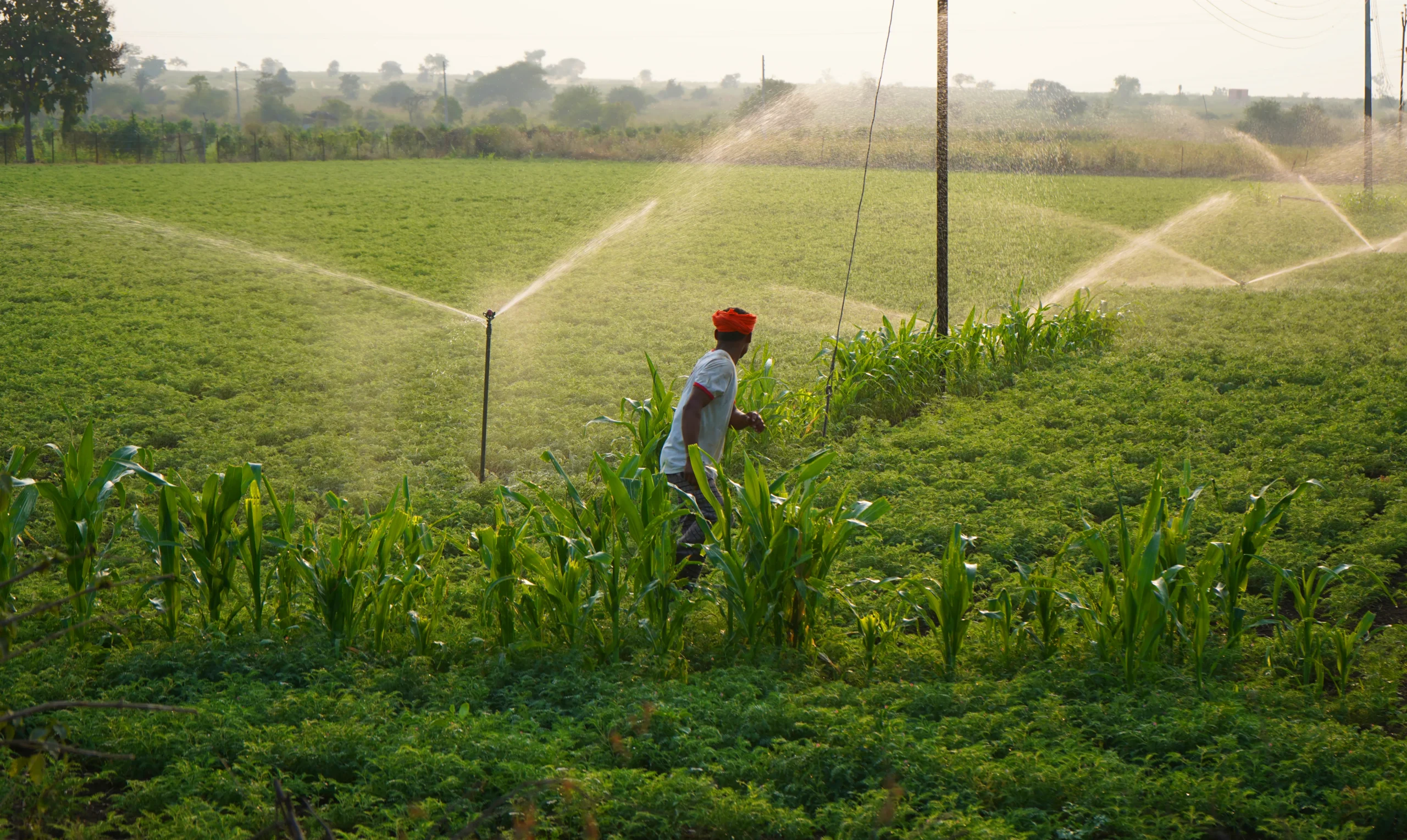
India is a major global producer and exporter of agricultural and food products.
In FY 2024-25, India’s agricultural and allied exports reached approximately US$51.9 billion.
The country’s export basket is very diverse. Major categories include rice, marine products, spices, sugar, coffee, processed foods, fruits, vegetables
India exports these products to markets around the world, including the USA, UAE, China, Bangladesh, Saudi Arabia, Vietnam, Iraq, Malaysia, Indonesia and several African countries.
Different products have different leading markets. For example, the major destinations for Indian basmati rice are different from those for seafood, spices
For international buyers, this wide product range makes India an important sourcing market for both bulk commodities and value-added food products.
2. Top 9 Agricultural Products Exported from India
For buyers looking for a quick list of agricultural products exported from India, the following were among India’s largest agricultural and allied export categories in FY 2024-25:
- Non-basmati rice: approximately US$6.53 billion
- Basmati rice: approximately US$5.94 billion
- Spices: approximately US$4.45 billion
- Sugar: approximately US$2.16 billion
- Coffee: approximately US$1.81 billion
- Miscellaneous processed products: approximately US$1.68 billion
The ranking can change from year to year because of crop production, international prices, buyer demand and government export policies.
Rice becomes particularly important when basmati and non-basmati rice are combined. Together, they generated approximately US$12.47 billion in FY 2024-25.
3. Rice and Other Cereals
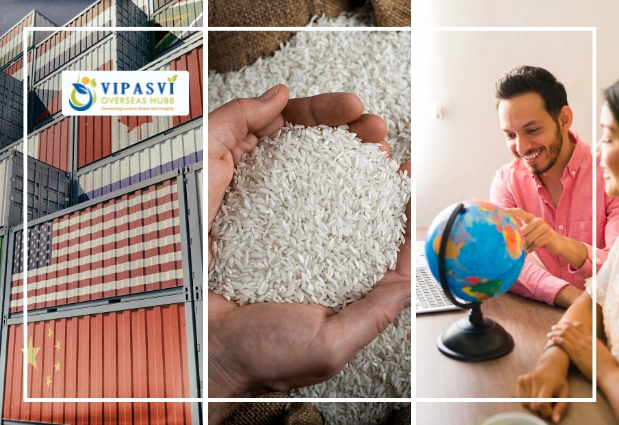
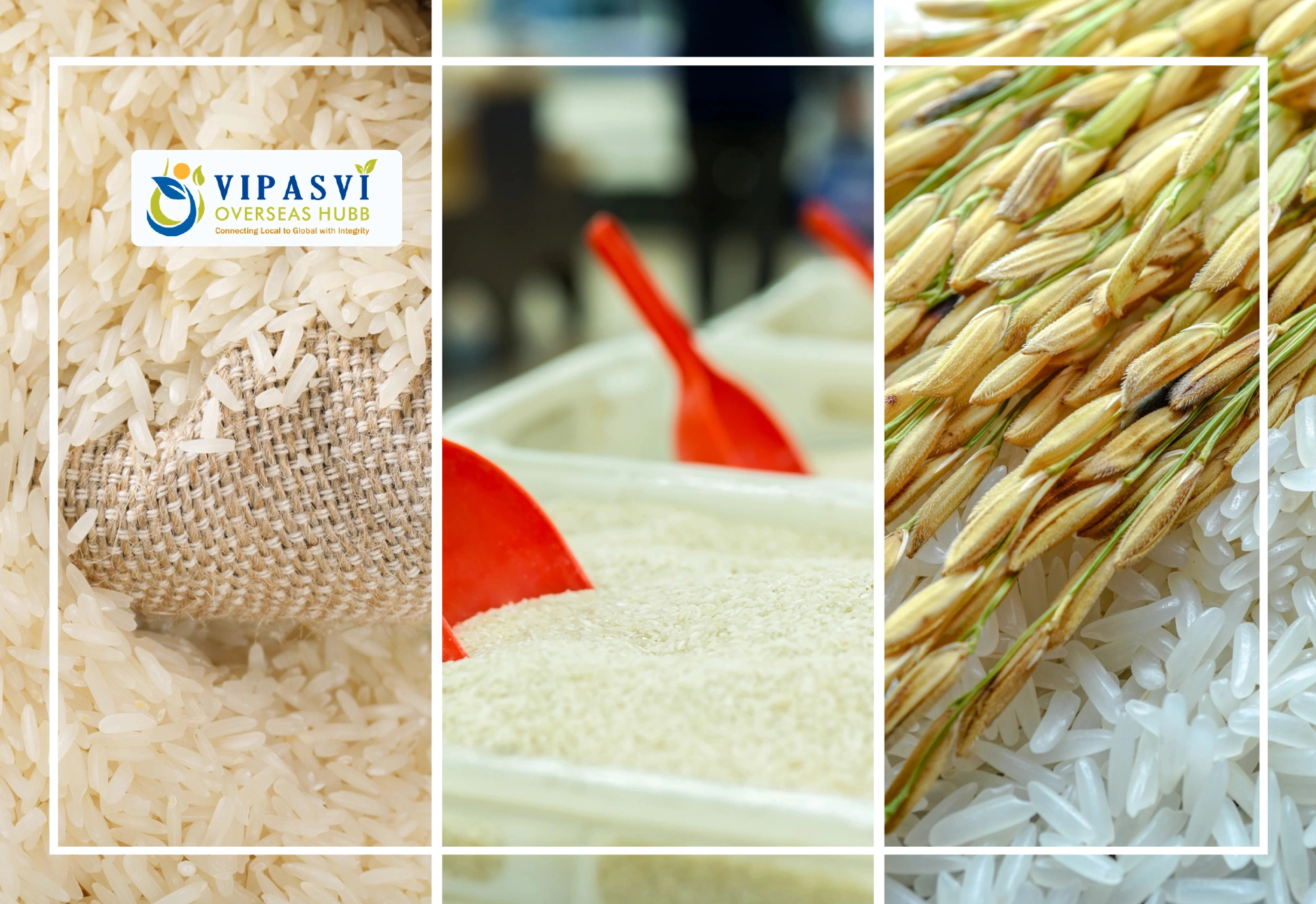
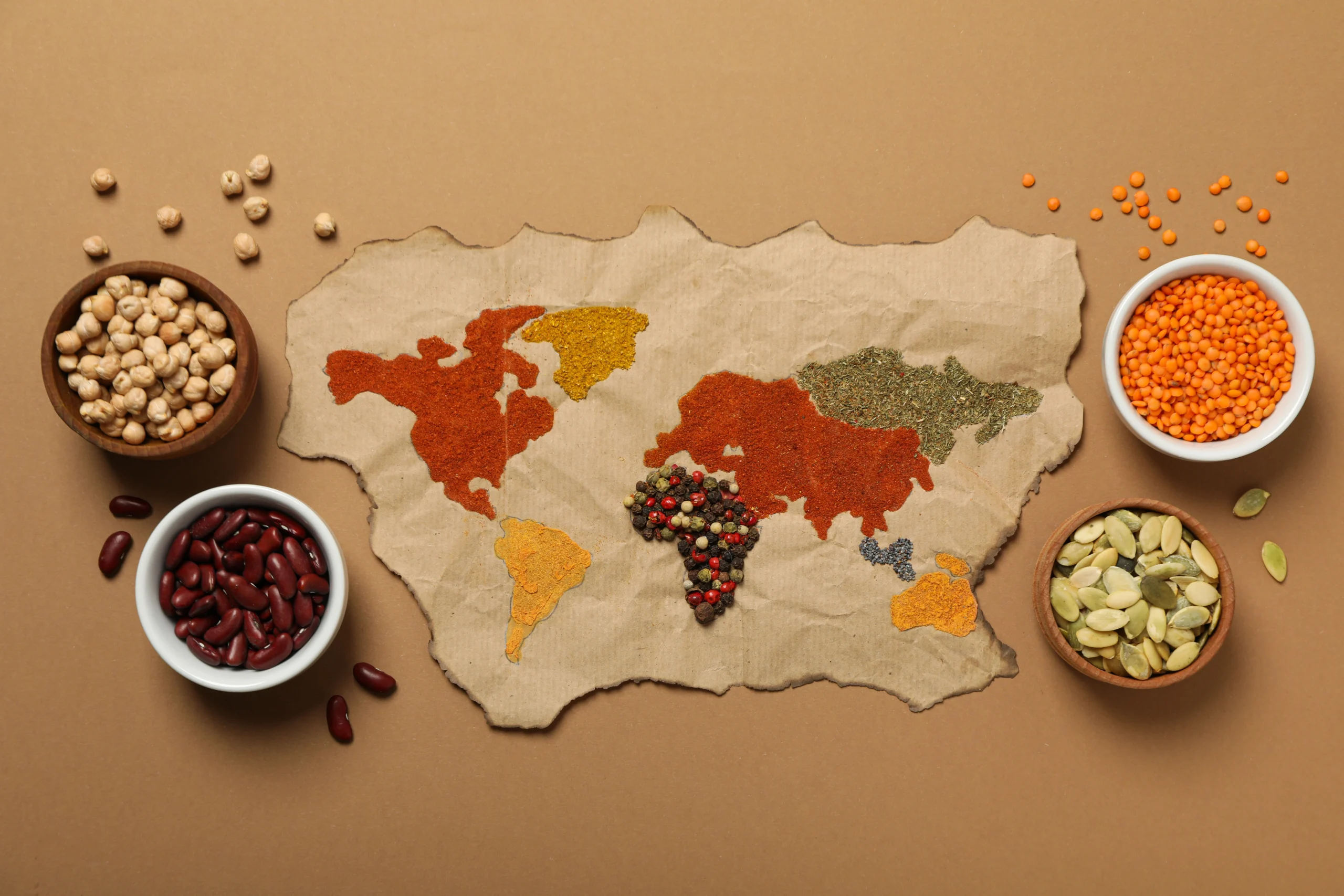
Rice is one of the most important agricultural products exported from India.
India exported approximately 20.19 million metric tonnes of rice worth US$12.47 billion in FY 2024-25.
Basmati Rice
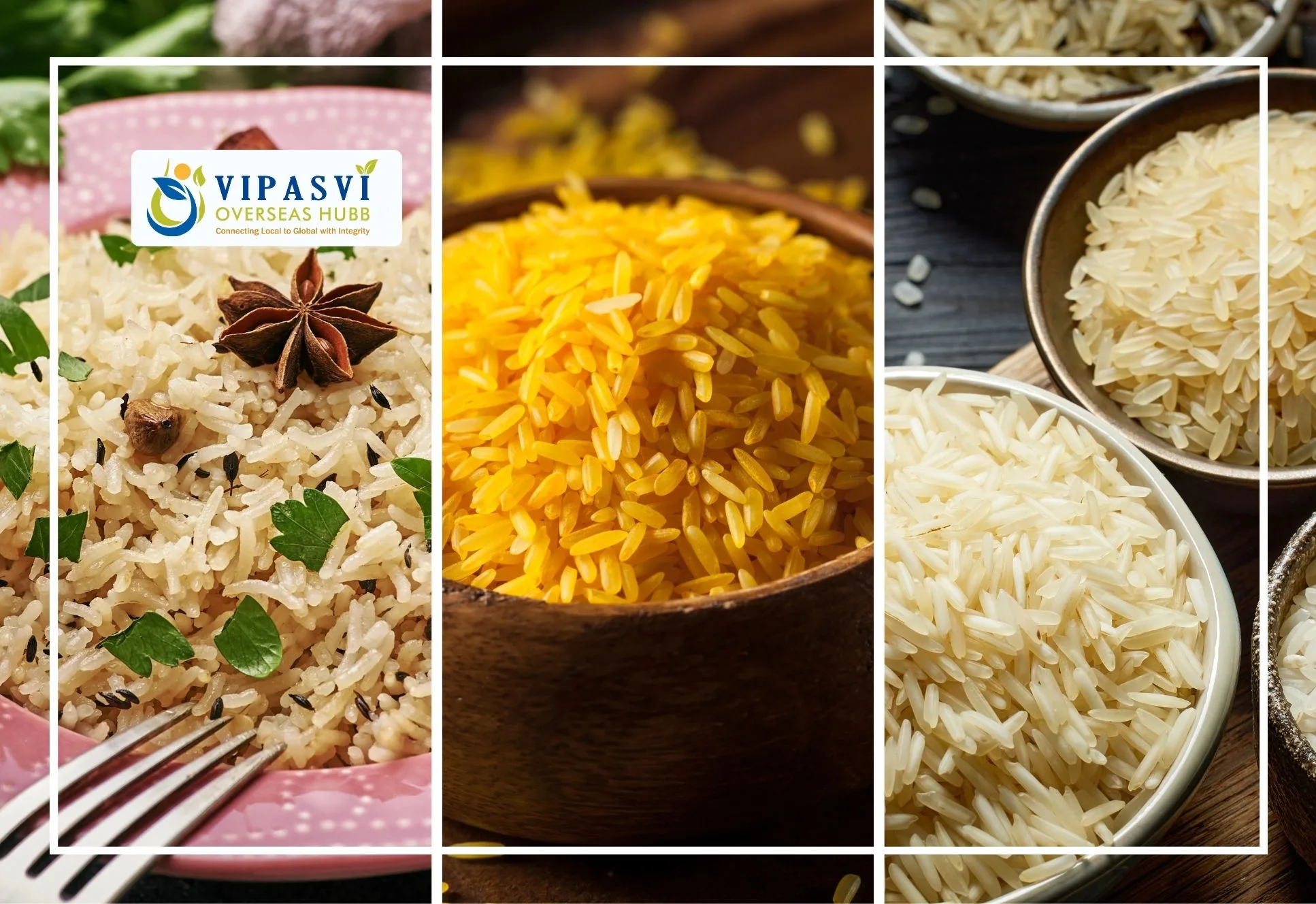
Basmati is India’s premium aromatic rice. It is known for its long grains, aroma and elongation after cooking.
India exported approximately US$5.94 billion worth of basmati rice in FY 2024-25.
Major markets included countries such as Saudi Arabia, Iraq, Iran, the UAE and Yemen.
Popular varieties available from India include 1121 basmati and other traditional and modern basmati varieties, depending on buyer specifications.
Non-Basmati Rice
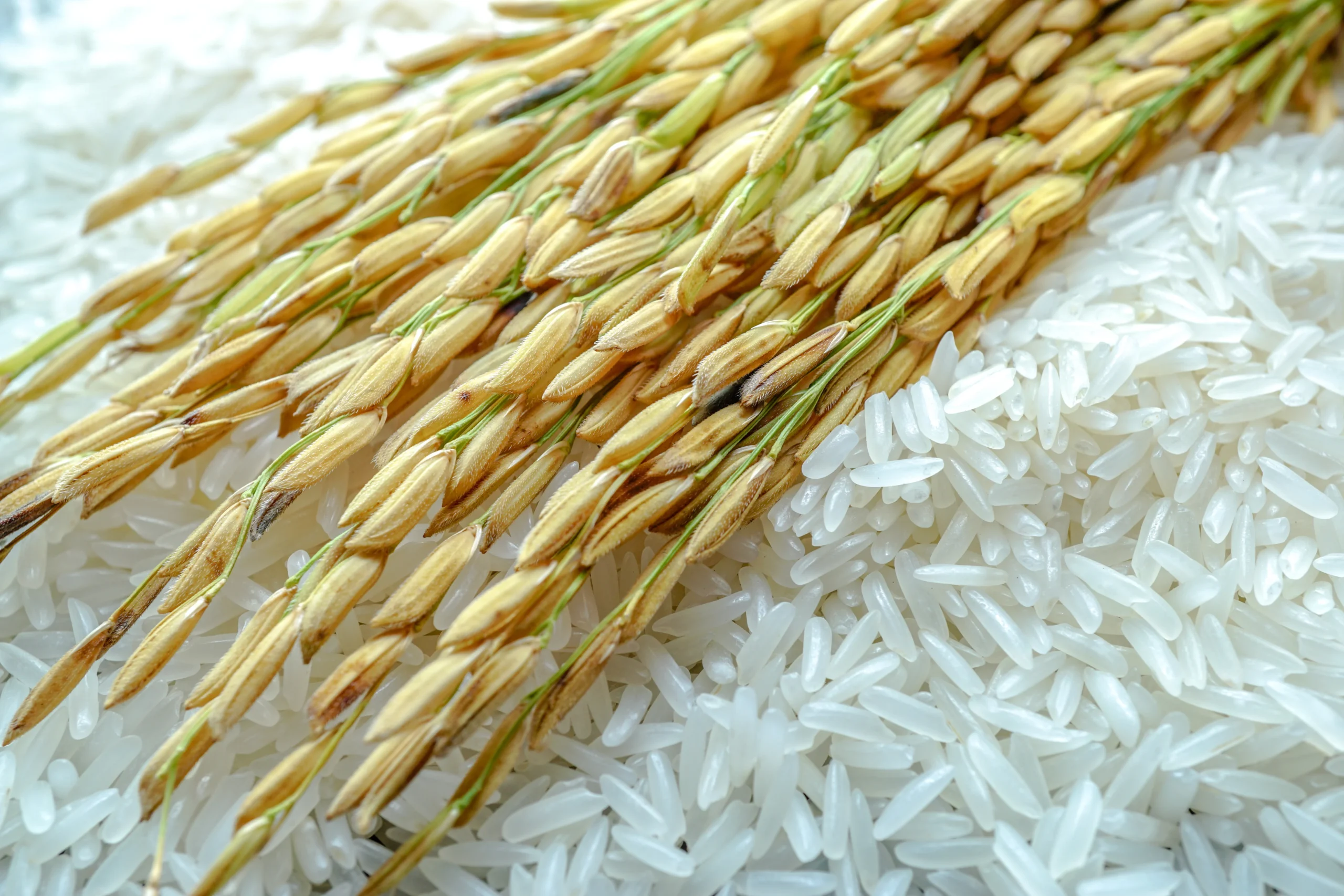
Non-basmati rice is exported in large volumes to markets across Africa, Asia and the Middle East.
India’s non-basmati rice exports were worth approximately US$6.53 billion in FY 2024-25.
Different varieties are available depending on the market, grain requirements and intended use.
Wheat
India is also one of the world’s major wheat producers.
However, wheat exports are subject to government export policy restrictions. Buyers and exporters should check the latest DGFT notification before entering into a wheat export contract.
4. Spices
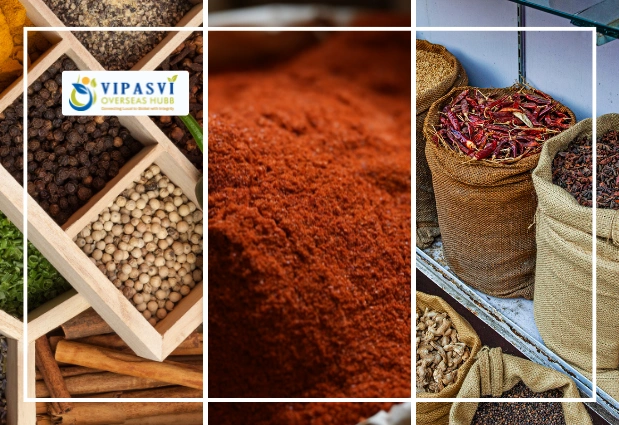
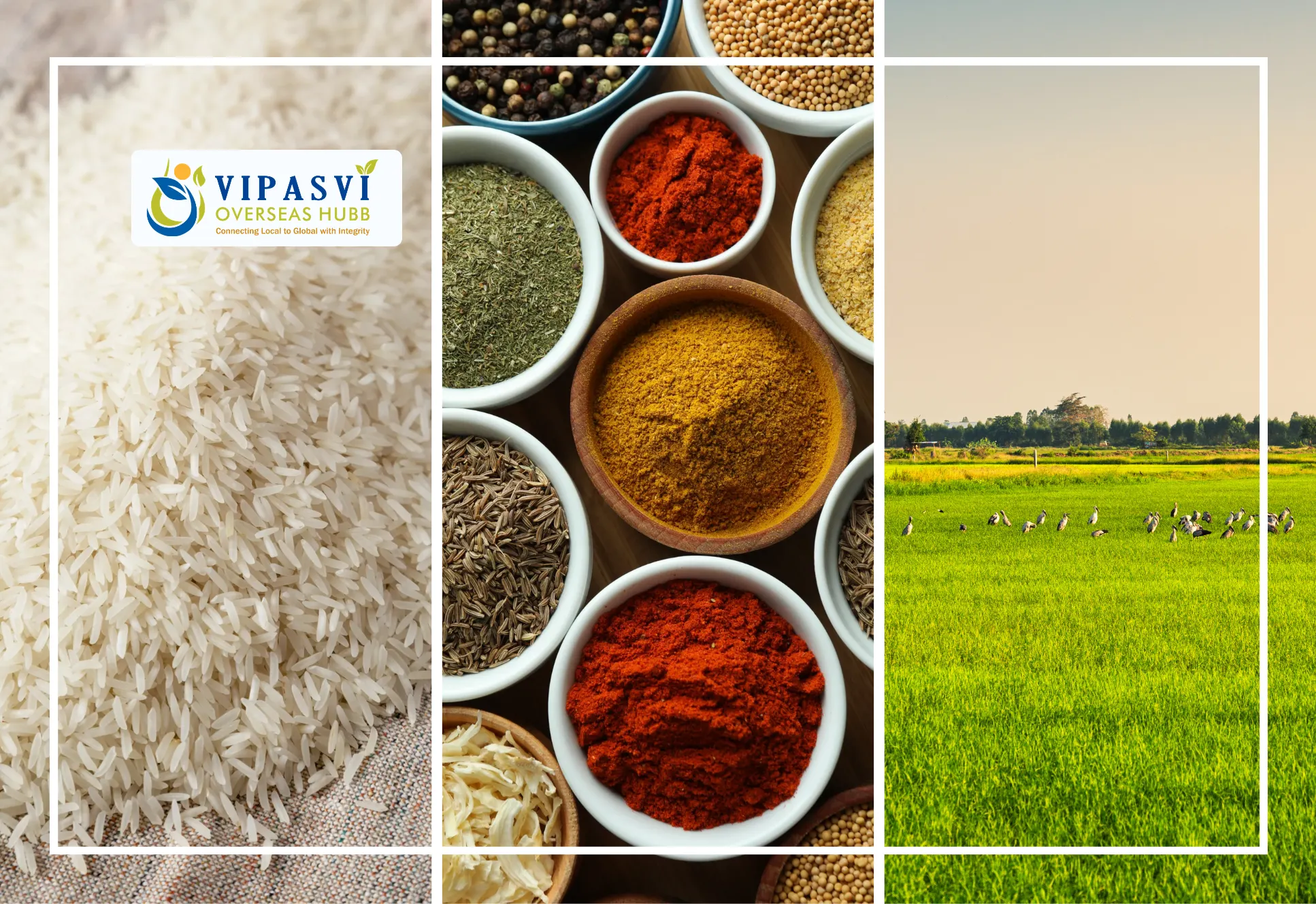
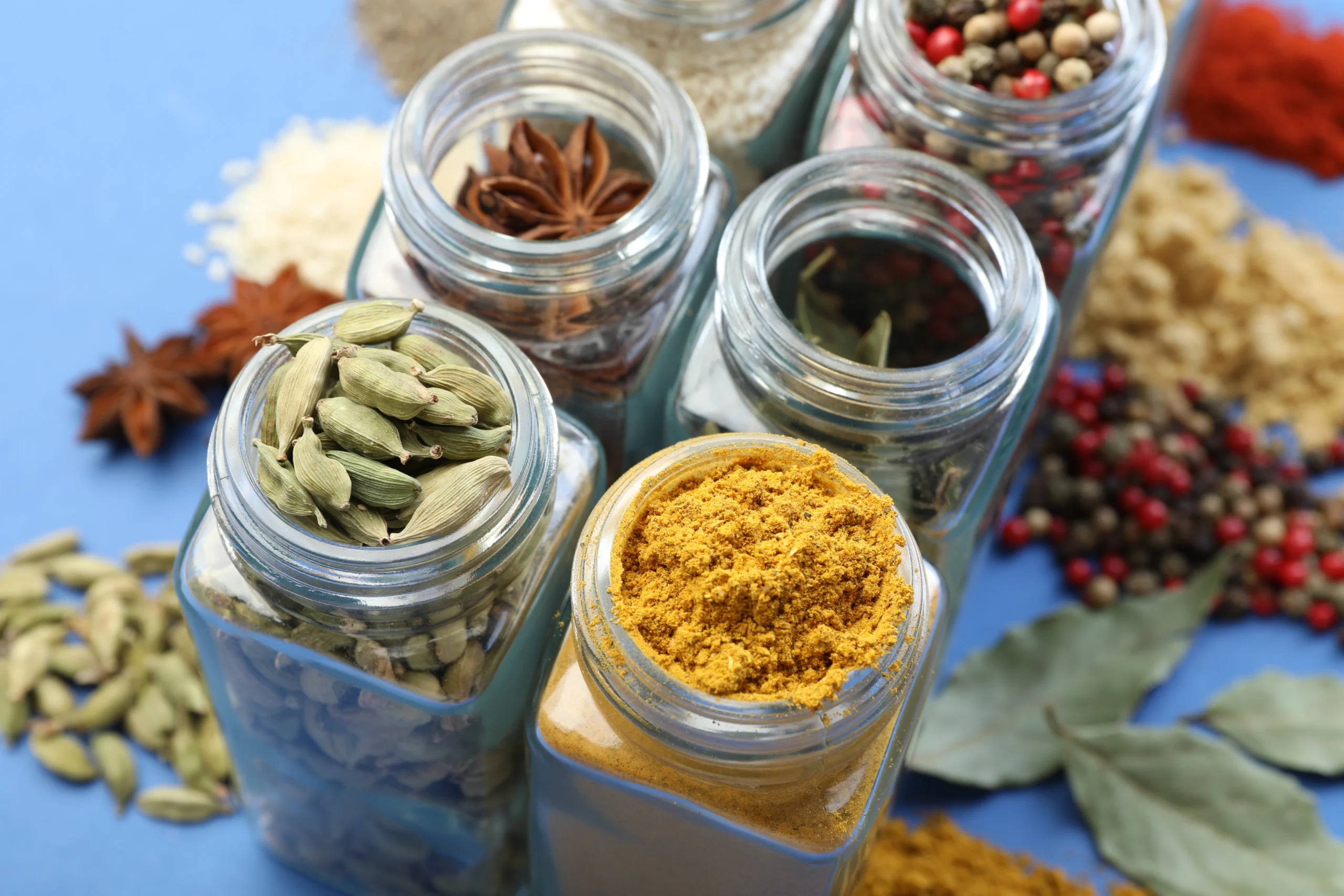
Spices are among the best-known agricultural products exported from India.
India has a long history of producing and trading spices, and the country supplies both whole and processed spices to international buyers.
Spice exports were worth approximately US$4.45 billion in FY 2024-25.
Major Indian spice exports include:
- Chilli
- Cumin
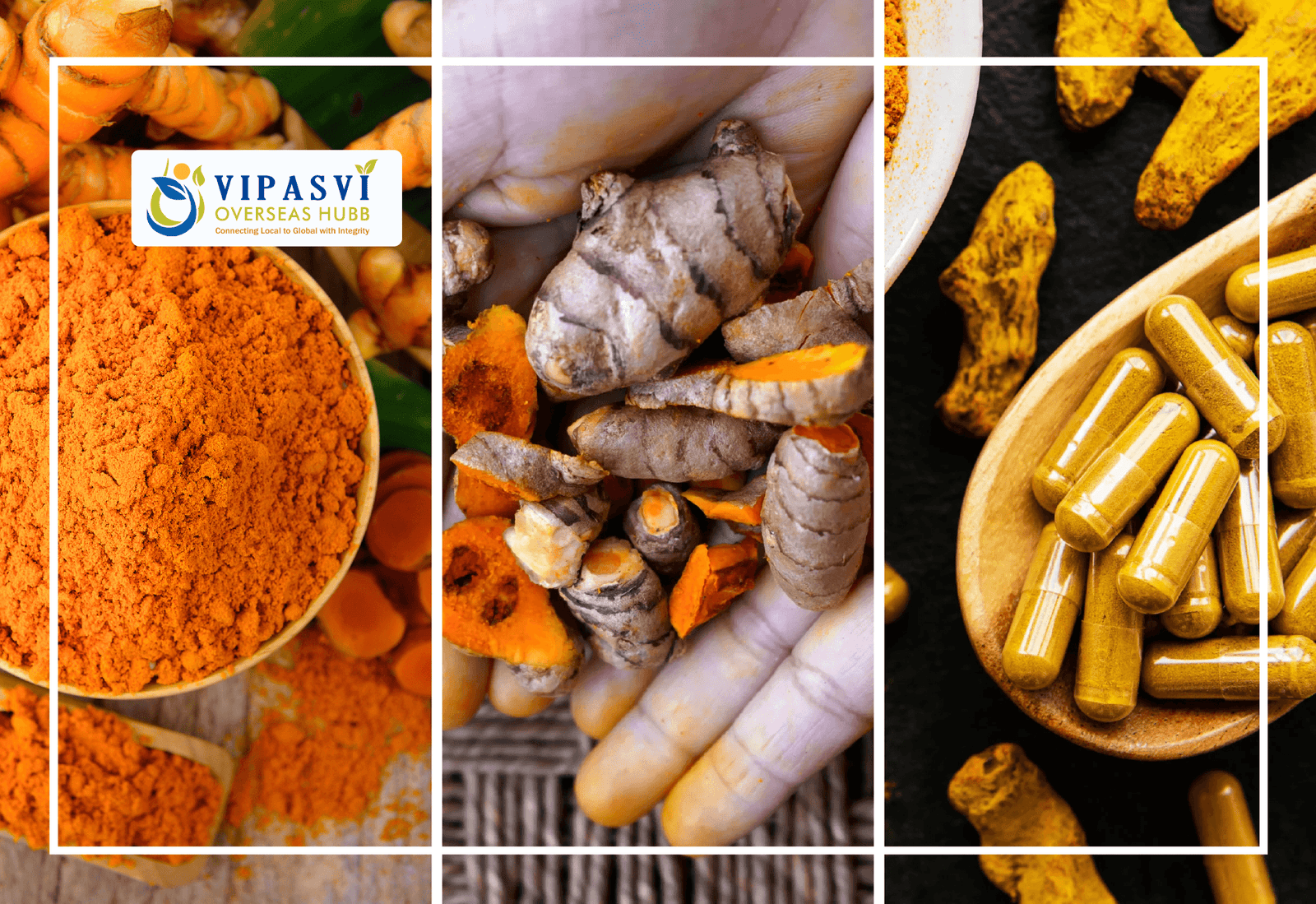
- Turmeric
- Black pepper
- Coriander
- Cardamom
- Ginger
- Fenugreek
- Spice oils
- Oleoresins
Spices can be exported whole, ground into powder or processed into blends and other value-added ingredients.
Exporters should check the applicable Spices Board of India requirements and the food-safety standards of the destination market.
Testing is particularly important for parameters such as pesticide residues, contaminants, moisture and microbiological safety.
5. Cotton and Agricultural Fibres
Cotton is another important agricultural commodity produced in India.
India’s agricultural and textile supply chain includes:
- Raw cotton
- Cotton fibre
- Cotton yarn
- Jute
- Other natural fibres
Export volumes can change considerably from one year to another because of crop production, domestic textile demand and international cotton prices.
International buyers should check current crop availability, specifications, prices and export conditions before placing large orders.
6. Coffee, Tea and Sugar
India is also an important supplier of coffee, tea and sugar.
Coffee
India’s coffee exports were approximately US$1.81 billion in FY 2024-25.
The country produces both Arabica and Robusta coffee, with Karnataka being India’s largest coffee-producing state.
Indian coffee is supplied as beans and in different processed forms depending on buyer requirements.
Tea
Tea has been one of India’s traditional agricultural exports for generations.
India is known internationally for teas from regions such as:
- Assam
- Darjeeling
- Nilgiri
Tea exports fall under the relevant requirements of the Tea Board of India.
Sugar
India’s sugar exports were approximately US$2.16 billion in FY 2024-25.
However, sugar is an important example of why buyers should check current export rules before placing an order.
The Indian government may use quotas, restrictions or other measures depending on domestic production and supply conditions.
Buyers should therefore verify the latest government and DGFT rules before signing a sugar supply contract.
7. Fruits and Vegetables
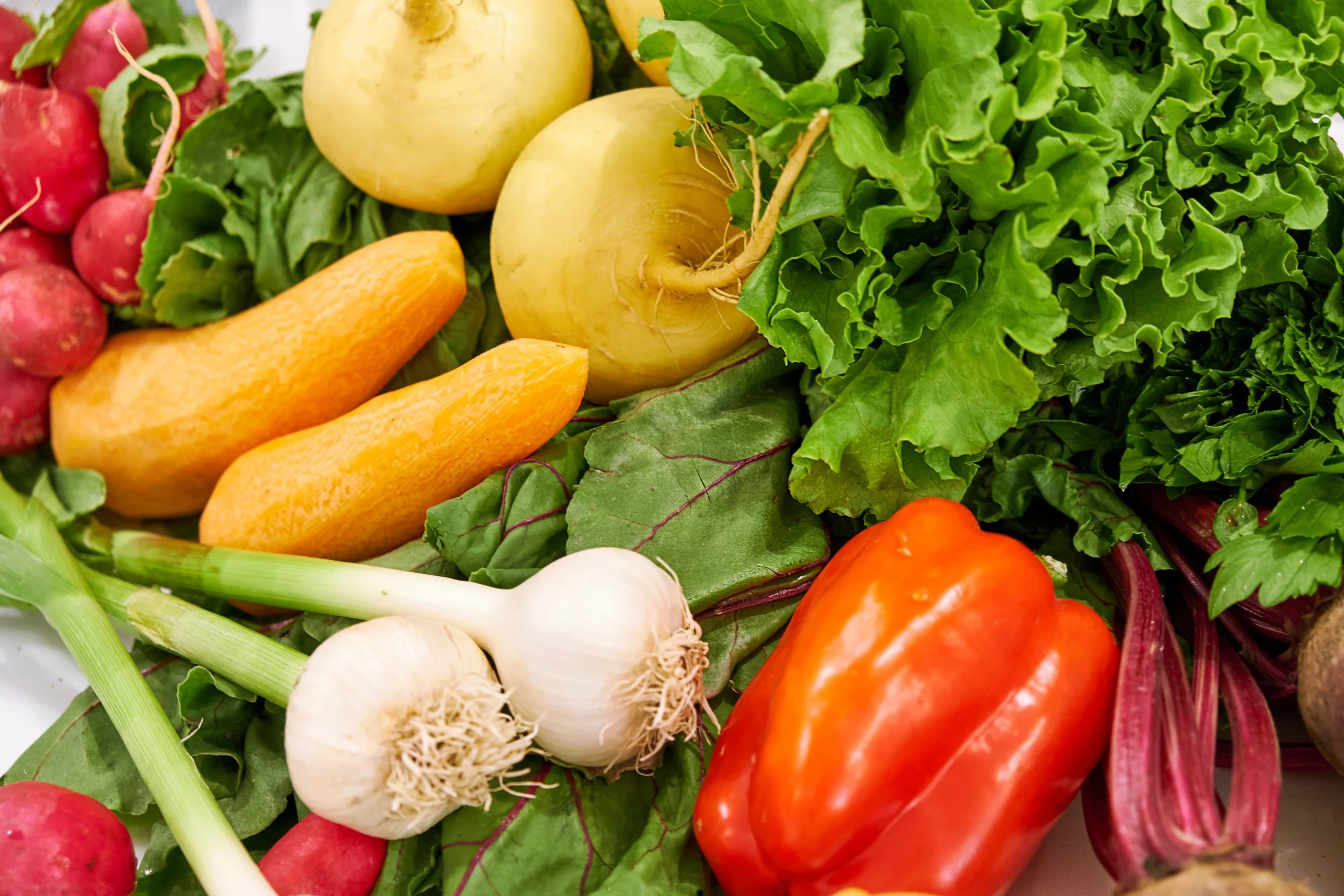
Fresh produce is another important part of the export of agricultural products from India. India exported approximately US$1.82 billion worth of fresh fruits and vegetables in FY 2024-25.
This included roughly the following:
- Fresh fruits: US$999.55 million
- Fresh vegetables: US$819 million
Major fruits exported from India include:
- Grapes
- Mangoes
- Pomegranates
- Bananas
- Oranges
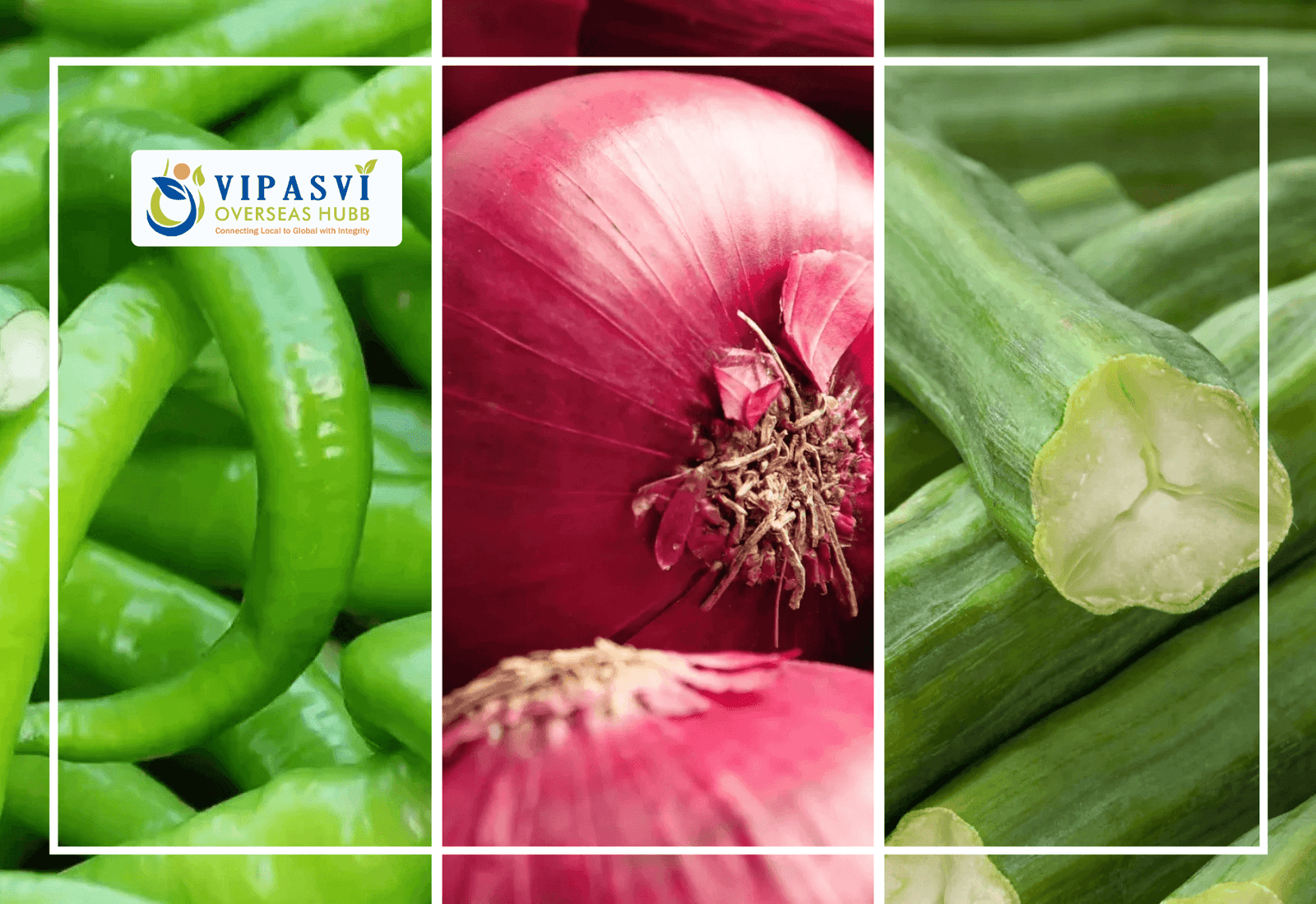
Major vegetable exports include:
- Onions
- Potatoes
- Tomatoes
- Green chillies
- Mixed vegetables
Fresh produce requires careful handling because quality can deteriorate quickly.
For international shipments, buyers and exporters need to consider grading, packaging, temperature control, shelf life, phytosanitary requirements and maximum residue limits.
8. Processed Food Products
Processed foods are becoming increasingly important for India’s agricultural export industry.
Instead of exporting only raw agricultural products, Indian manufacturers can process them into higher-value products for retail, food-service and industrial buyers.
Examples include:
- Mango pulp
- Fruit juices
- Pickles
- Chutneys
- Processed vegetables
- Cereal preparations
- Ready-to-eat foods
- Dehydrated products
- Spice powders and blends
- Other value-added food products
Processed products can offer international buyers several advantages, including longer shelf life, easier transportation and retail-ready packaging.
They also create opportunities for private-label and customised packaging, depending on the manufacturer and buyer requirements.
9. Export Registrations and Compliance
There is no single registration that covers every product on the list of agricultural products exported from India. Requirements depend on the product and destination market.
DGFT and IEC
An Importer Exporter Code (IEC) issued through DGFT is a basic requirement for businesses importing or exporting goods from India.
APEDA
APEDA covers many scheduled agricultural and processed-food products, including categories such as:
- Rice
- Fruits
- Vegetables
- Cereals and related products
Exporters should check whether their specific product falls under APEDA’s scheduled products.
MPEDA
Marine and seafood exporters need to check the applicable requirements of MPEDA.
Spices Board
Businesses exporting spices need to follow the applicable Spices Board of India requirements.
FSSAI
Food businesses must check the FSSAI licensing requirements applicable to their activities and products.
Other Commodity Boards
Some products are covered by dedicated organisations, including:
- Tea Board
- Coffee Board
- Other product-specific authorities
Destination-Country Requirements
Indian registration is only one part of the export process.
The importing country may have additional requirements covering:
- Food safety
- Pesticide residues
- Microbiological limits
- Product testing
- Labelling
- Packaging
- Traceability
- Phytosanitary certificates
- Health certificates
- Import permits
- Product registration
These requirements can vary significantly between countries and products.
Buyers and exporters should always confirm the latest rules with the relevant Indian authority and the destination country’s regulator before shipment.
At Vipasvi Overseas Hubb Contact, we support international buyers with sourcing agricultural products from India, including product selection, grading, testing, packaging and export documentation.
Frequently Asked Questions

Ravikiran Sangaare
Position: Founder & Director, Vipasvi Overseas Hubb
Ravikiran Sangaare is the founder & director of Vipasvi Overseas Hubb, a global export company committed to delivering premium Indian agricultural products to the world. With a strong belief in integrity, quality, and farmer partnerships, he leads the company with a vision to bridge Indian fields to international markets through transparency, reliability, and unwavering commitment.