Duty-Free to Britain: What the India-UK Trade Deal Food Export Window Means in 2026
The India-UK trade deal food export opportunity is no longer just theoretical. On 15 July 2026, the India-UK Comprehensive Economic and Trade Agreement (CETA) came into force, giving nearly 99% of Indian exports duty-free access to the United Kingdom. For food exporters, that date is the starting gun, and the race is on to claim the zero-duty benefit correctly.
This matters because the prize is enormous relative to today’s trade. The UK imports around US$37.5 billion of agricultural goods a year but currently sources only about US$811 million from India, a gap that signals vast room for growth. At Vipasvi Overseas Hubb, we’re already helping buyers and partners position themselves for the India-UK trade deal food export surge. Here’s what changed, what qualifies, and the documentation you’ll actually need.
1. What CETA Changed on 15 July 2026
The India-UK trade deal food export framework rests on CETA, which was signed on 24 July 2025 and brought into force on 15 July 2026 after both countries completed ratification. It is India’s most comprehensive trade agreement with a G-7 nation.
The headline: the UK immediately eliminated duties on 99% of Indian tariff lines, removing tariffs of up to 70% on processed foods. Labour-intensive and food sectors’ processed food, cereals, vegetables, fruits, spices, fish, meat and processed products now enter the UK market at zero duty. Bilateral trade, currently around US$60 billion a year, aims to double by 2030.
For context on scale, official sector analysis notes agriculture (1,437 tariff lines) and food processing (985 lines) now enjoy zero-duty access to the UK, the core of the India-UK trade deal food export opportunity.
2. India UK CETA Agri Exports: What’s Now Duty-Free
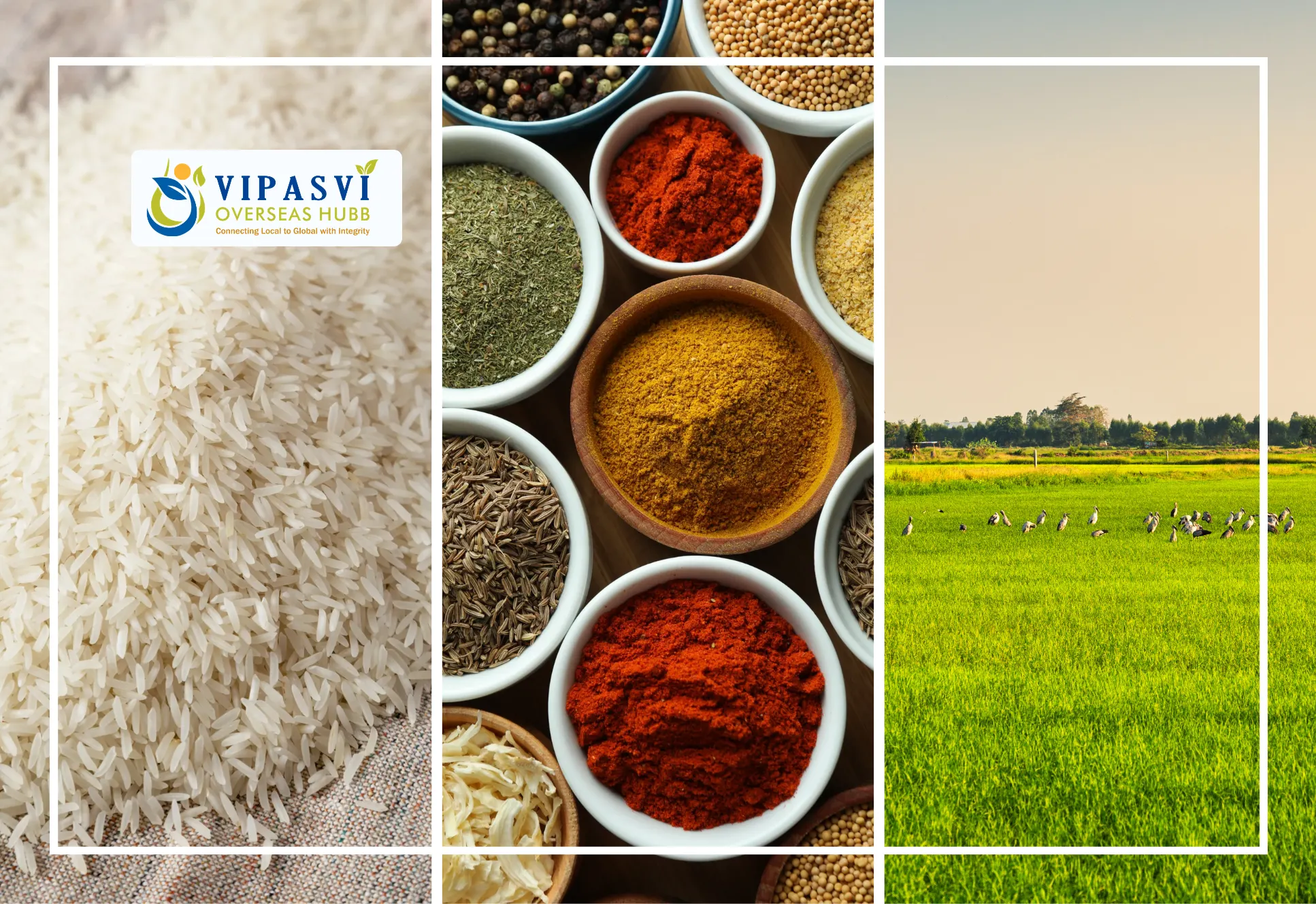
For India-UK CETA agri-exports, the practical list is broad. Duty-free access now covers fruits, vegetables, cereals and spices, including turmeric, pepper and cardamom, as well as processed goods such as ready-to-eat food, mango pulp, pickles and pulses.
Removing tariffs of up to 70% on processed foods fundamentally changes the maths for India-UK CETA agri-exports: a product that was previously uncompetitive on landed cost in a UK supermarket can now compete directly. Duty-free access is expected to help lift Indian agri exports significantly over the coming years as buyers rebuild sourcing around the new tariff reality.
Accuracy note: India also protected sensitive sectors on its import side (including certain dairy, cereals, edible oils and some vegetable products). This does not restrict Indian food exports to the UK, but always confirm your specific product’s treatment against the official schedules before quoting.
3. Basmati Rice Export to UK Duty-Free
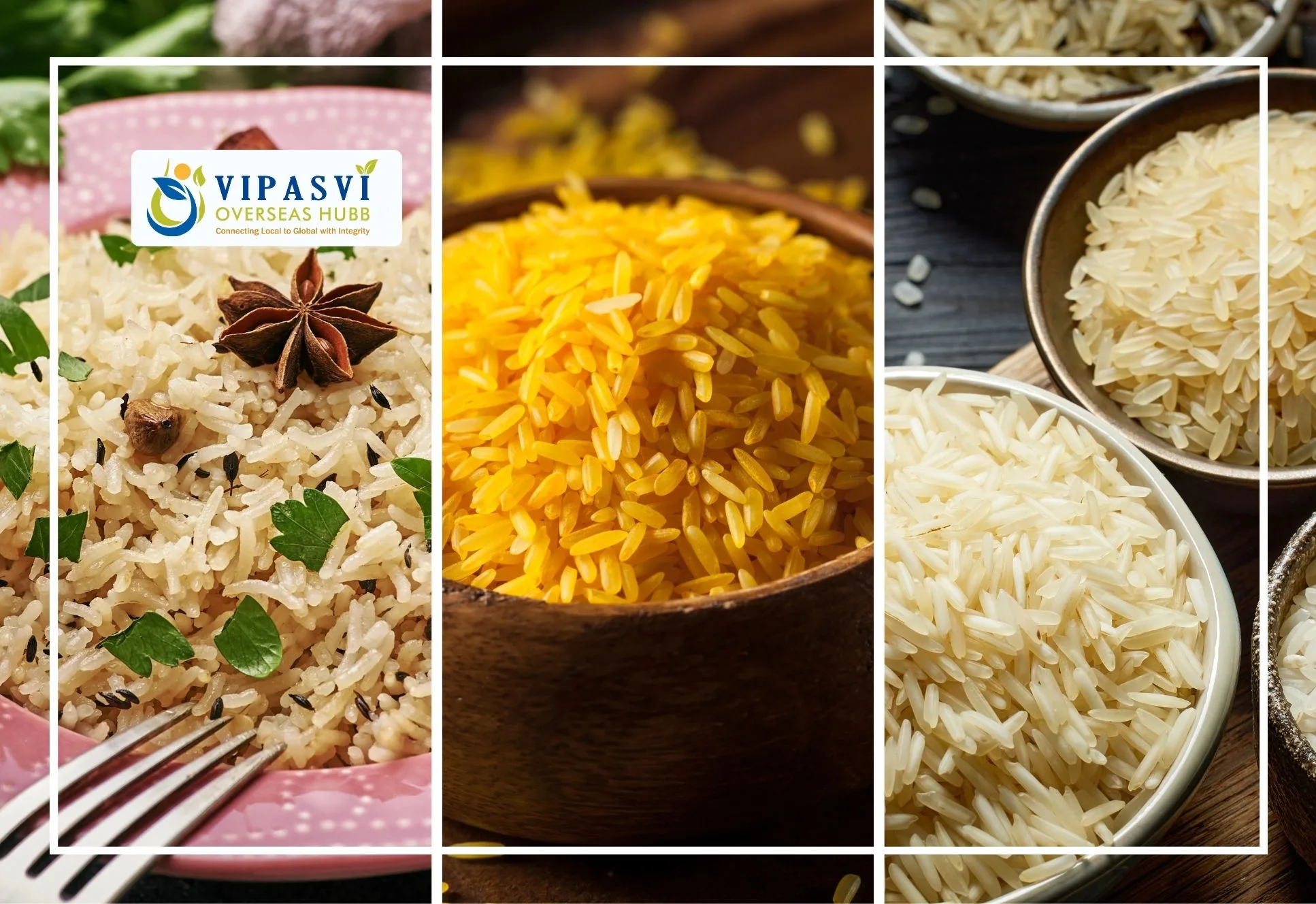
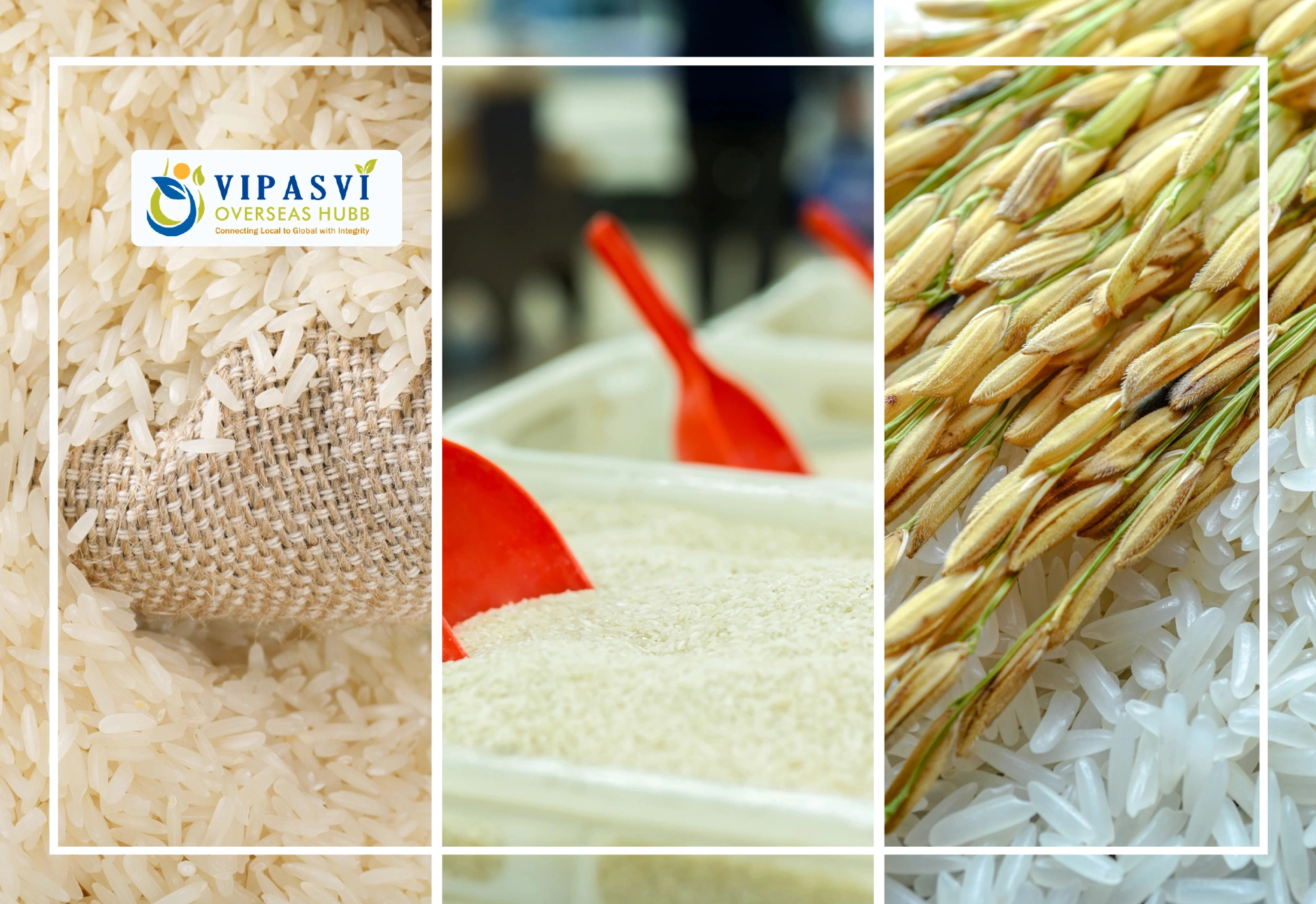
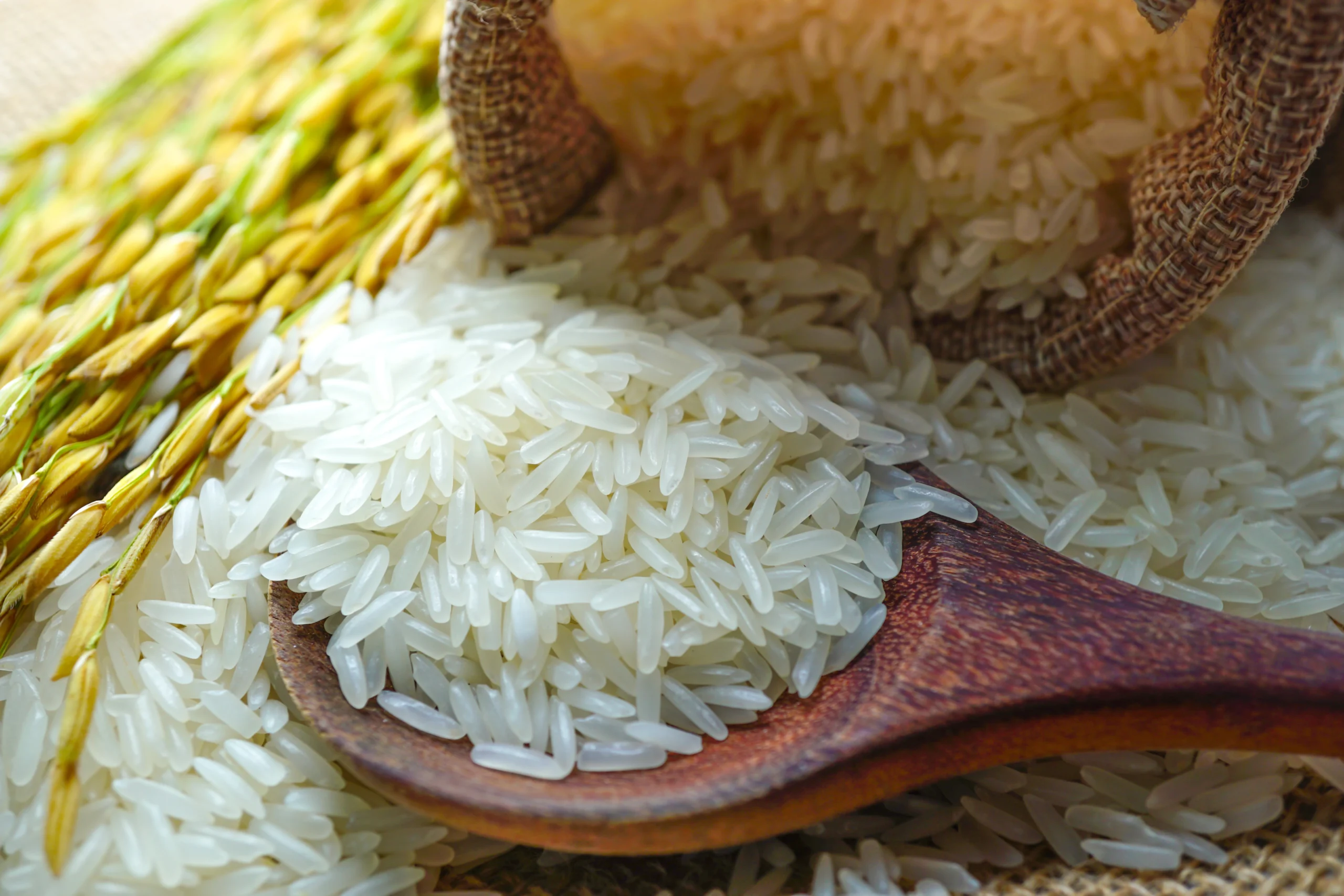
The UK is a major premium and diaspora market for Indian rice, so basmati rice export to the UK duty-free is one of the most immediately actionable wins under CETA. With cereals entering the UK at zero duty, the tariff cost that once sat on every consignment is removed, improving margins or sharpening shelf price.
Pair this information with our export-grade guidance: genuine 1121 basmati (8.20–8.50 mm, 12% max moisture, documented via HPLC); the right processing grade (raw, steam or sella) for UK retail and foodservice; and a Certificate of Origin to claim the preferential rate. Basmati rice exports to the UK duty-free are where the CETA benefit is easiest to quantify per container.
4. Spices Export to UK Zero Duty
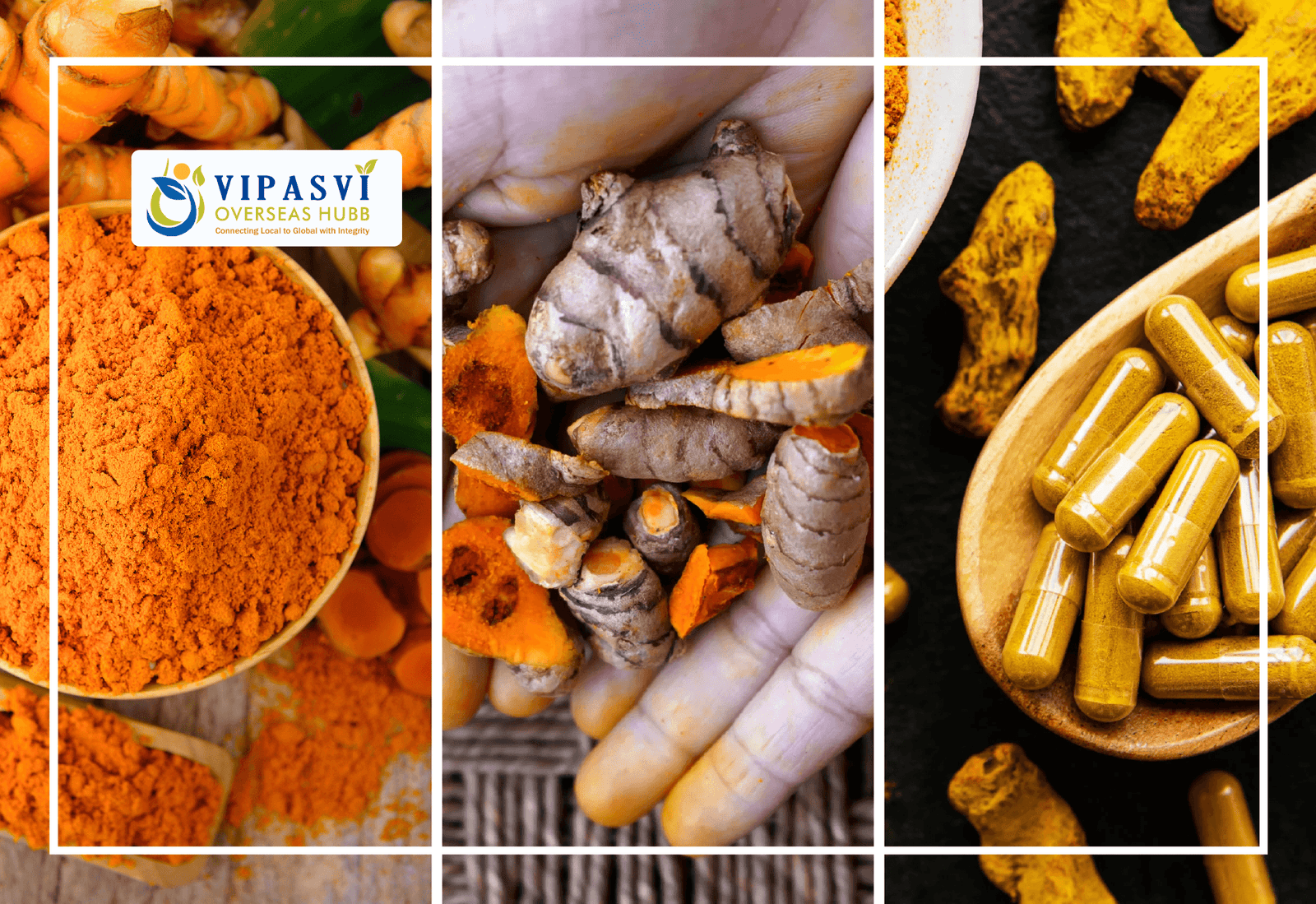
Spices exported to the UK with zero duty are a natural fit, as they are explicitly named among the sectors entering the UK at zero duty. Turmeric, pepper and cardamom get duty-free access, directly relevant if you already source high-curcumin turmeric or ISO-certified spices.
The competitive edge for spice exports to the UK, zero duty, comes from combining the tariff saving with UK-standard compliance: steam sterilisation (the UK, like the EU, expects ETO-free), aflatoxin and MRL testing to UK limits, and clean labelling. Zero duty gets you to the shelf; compliance keeps you there.
5. Emerging Opportunities: Jackfruit, Millets & Organic Herbs
Beyond the staples, CETA opens room for emerging products like jackfruit, millets and organic herbs that align neatly with UK consumer trends in plant-based, gluten-free and wellness foods.
Millets deserve a note of nuance: India protected millets on its import side, but that does not stop Indian millet exports to the UK, where demand for ancient grains is climbing. Combined with the India-UK trade deal food export tariff advantage, jackfruit (as a meat alternative), millet and organic herbs are the categories where an early mover can build a UK book before the market crowds.
6. Duty-Free Food Export to UK from India: Rules of Origin
Here is the single most important technical point for duty-free food export to the UK from India: the zero-duty rate is not automatic. CETA’s preferential tariffs apply only to goods that genuinely originate in India under the agreement’s rules of origin, and you must claim the benefit correctly.
The rules exist to stop third-country goods being routed through India after minor processing. Accordingly, activities such as simple repackaging, relabelling, washing, sorting, polishing and simple assembly are explicitly insufficient to confer Indian origin. The framework also allows cumulation (inputs from one partner treated as originating in the other) and gives customs authorities power to verify origin claims and deny preferential treatment where products fail the conditions.
Accuracy caveat: read this. The exact rules-of-origin thresholds and the precise certificate format that qualify for preferential treatment are technical and were still being finalised and notified around the time of launch. For duty-free food exports to the UK from India, always confirm the current, definitive checklist with DGFT and APEDA before shipping, rather than relying on fixed percentages quoted in any blog.
7. India UK FTA Documentation: The Checklist
Getting India-UK FTA documentation right is what converts “eligible for zero duty” into “actually paid zero duty”. A food exporter shipping to the UK under CETA typically needs three layers of paperwork.
Commercial & transport documents
- Commercial invoice
- Packing list
- Purchase order / sales contract
- Bill of lading (sea) or airway bill (air)
The document that unlocks zero duty
- Certificate of Origin proving the goods are of Indian origin under CETA’s rules of origin. Without a valid, correctly formatted CoO, you cannot claim the preferential (zero-duty) rate. This is the heart of India-UK FTA documentation.
Food-specific compliance
- Phytosanitary Certificate from the plant quarantine department for plant-based produce.
- Health Certificate / FSSAI documentation for processed food.
- APEDA registration (RCMC) for agricultural and processed food exporters.
- Spices Board certification for spice consignments.
UK-side requirements
- Compliance with UK food safety standards (FSA / FSS)
- Correct labelling and traceability
- Where applicable, UK import notifications through the relevant port health authority
CETA’s provisions on technical barriers to trade are designed to streamline certification and cut the time and cost of compliance, but the responsibility to assemble complete, accurate India-UK FTA documentation still sits with the exporter.

8. How to Export Food Products to UK from India (Step by Step)
A clean process to export food products to the UK from India under CETA:
- Confirm eligibility: check your product’s tariff line and rules-of-origin treatment with DGFT/APEDA.
- Register to ensure IEC and APEDA RCMC are in place (plus the Spices Board for spices).
- Meet product standards lab testing to UK limits (MRL, aflatoxin, microbiology) and steam sterilisation where relevant.
- Prepare the commercial set of documents, transport docs, phytosanitary/health certificates, and the all-important certificate of origin.
- Ship & notify: arrange freight and complete any UK port health authority notifications.
- Claim preference ensures the UK importer uses the CoO to claim the zero-duty rate at entry.
Note CETA’s flexibility: the rules provide options for importers who fail to claim tariff benefits at the time of import, though claiming correctly upfront is always cleaner when you export food products to the UK from India.
9. How We Help Exporters Capture the Opportunity
The India-UK trade deal food export window is open, but exporters who win it will be documentation-ready and compliance-ready on day one. That is where we focus at Vipasvi Overseas Hubb:
- Product readiness: turmeric, spices, basmati and fresh produce processed and tested to UK standards.
- Documentation support ensures that we assemble commercial, transport, origin, and food-safety paperwork correctly the first time.
- Origin integrity: genuine Indian-origin sourcing that stands up to CETA rules-of-origin verification.
- Reliable supply: the diversified, traceable network that keeps UK buyers stocked season after season.
If you’re a UK buyer or an exporter planning to move under CETA, now is the moment to build that relationship, and this is exactly the conversation we’d like to have.
Frequently Asked Questions (FAQs)

Ravikiran Sangaare
Position: Founder & Director, Vipasvi Overseas Hubb
Ravikiran Sangaare is the Founder & Director of Vipasvi Overseas Hubb, a global export company committed to delivering premium Indian agricultural products to the world. With a strong belief in integrity, quality, and farmer partnerships, he leads the company with a vision to bridge Indian fields to international markets through transparency, reliability, and unwavering commitment.