The Spice Route Reborn: Why India Remains the World’s Best Spice Capital in 2026
Choosing the right Indian spice export company has never mattered more. Global buyers in food manufacturing, retail and HORECA are no longer asking only for flavour; they want single-origin, traceable, clean-label spices backed by certifications and consistent supply. The spice route that once carried pepper on wooden ships now moves ASTA-graded chilli powder and steam-sterilised cumin in climate-controlled containers, with India still at its centre.
India supplies over half the world’s spice trade and produces about 75 of the 109 spices listed by the ISO.
At Vipasvi Overseas Hubb, we see the modern buyer’s question clearly: not “who is cheapest?” but “which Indian spice export company can prove quality, purity and compliance, shipment after shipment?” This guide answers exactly that.
1. India’s Spice Export in 2026: The Numbers
The case for choosing an Indian spice export company begins with sheer scale. According to the Spices Board of India, spice exports crossed an all-time high in FY 2024-25, with 17.99 lakh tonnes valued at Rs. 39,994.48 crore (US$4,722.65 million). In 2025-26, India exported 17.34 lakh tonnes valued at US$4,430.90 million.
The export basket remains concentrated. In 2025-26, the top value contributors were chilli (27%), cumin (12%), spice oils & oleoresins (12%), small cardamom (9%), mint products (8%), turmeric (7%), curry powder/paste (6%), ginger and pepper (3%) and coriander (2%), which together accounted for more than 90% of spice export earnings. Chilli, cumin, turmeric, ginger and coriander alone make up about 76% of production.
Per IBEF, India shipped spices to 200 destinations as of FY25, with China, the USA, the UAE, Bangladesh, Thailand, Malaysia, the UK, Saudi Arabia, Indonesia and Germany taking more than 60%. For any Indian spice export company, that is a deep and diversified demand base.
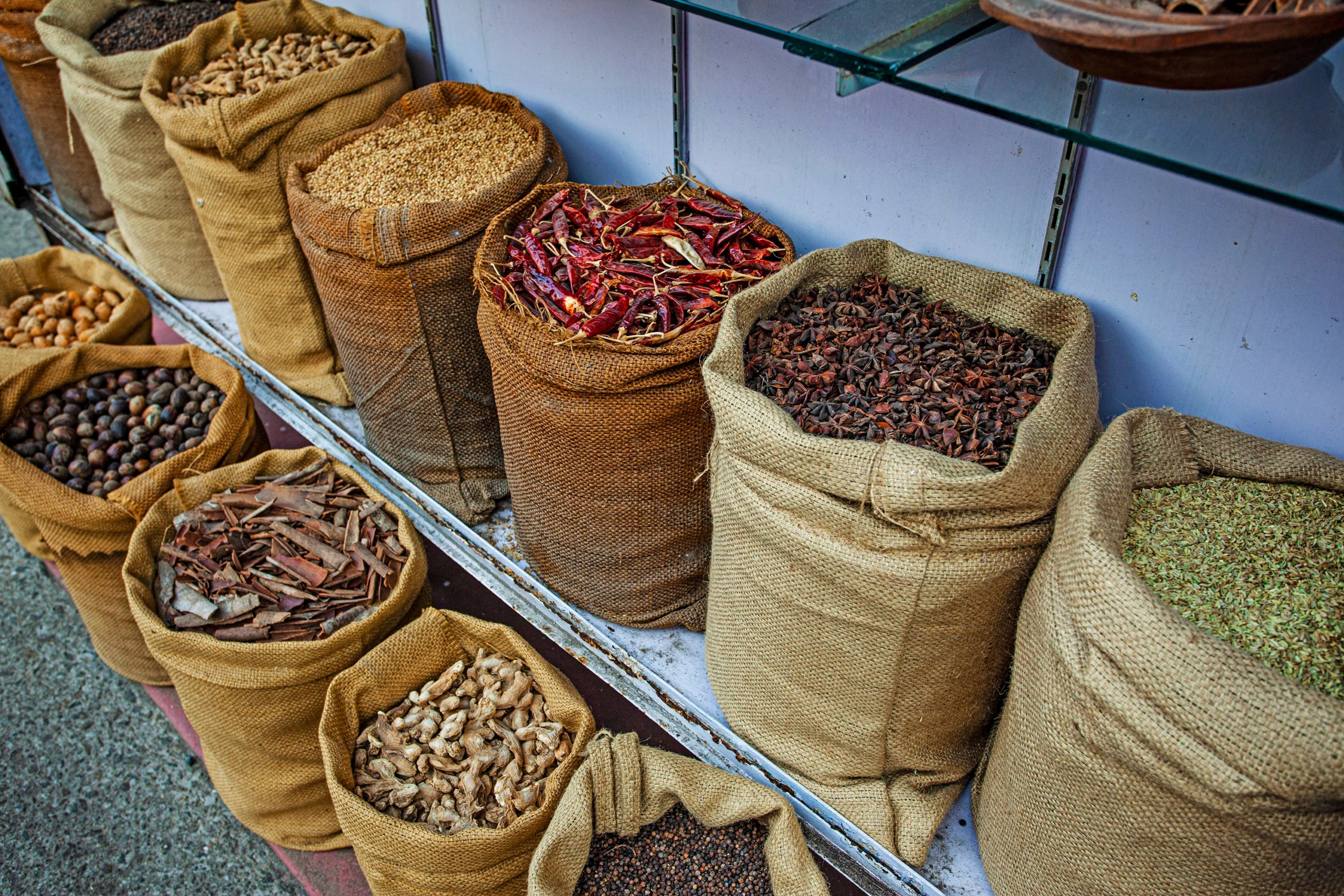
2. What Makes a Trustworthy Indian Spice Export Company
Scale is the market; trust is the transaction. The difference between a reliable Indian spice export company and a broker is clear in five areas: documented certifications, batch-level traceability, in-house or audited processing, MRL (pesticide residue) compliance for the destination market, and consistent supply across seasons.
The premium is real. USA and EU buyers pay more for organic, clean-label and high-spec spices, and export pricing is directly tied to attributes like curcumin %, piperine level and compliance standards. A modern Indian spice export company competes on provable quality, not on being the cheapest quote in the inbox.
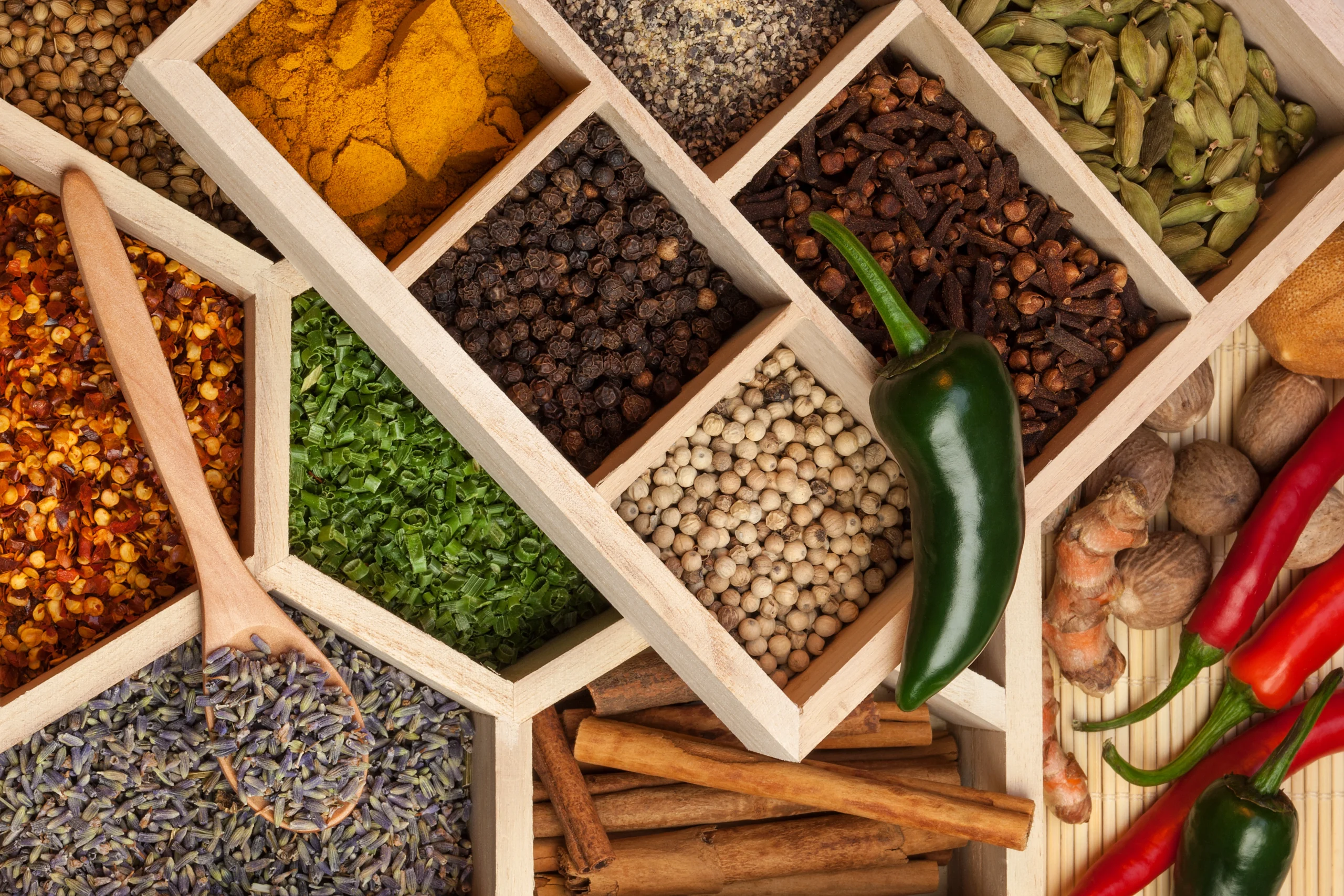
3. Red Chilli Powder Export India: Grades & Compliance
Chilli is the single largest line in the basket, so red chilli powder exports from India are where most buyers start. Indian chilli exports are valued at over US$1.3 billion globally, led by varieties such as Guntur (intense heat, deep red) and Byadgi (rich colour, milder heat).
The specification checklist for red chilli powder exports from India is as follows:
- ASTA colour value is the headline metric; higher ASTA means a richer red. Byadgi is prized for its high colour value.
- SHU (heat) Guntur for heat-forward blends and Byadgi for colour-forward.
- Moisture should typically be kept at a maximum of 8–10% to prevent caking and mould.
- Aflatoxin is the number-one rejection cause in the EU. Controlled drying and testing are essential.
- MRL / pesticide residue must meet destination limits, not just Indian ones.
- Sortex and purity must be clean and free from foreign matter and adulterants.
Passing an Indian test does not guarantee passing an EU one. A serious export programme for red chilli powder from India is tested to the destination standard before loading.
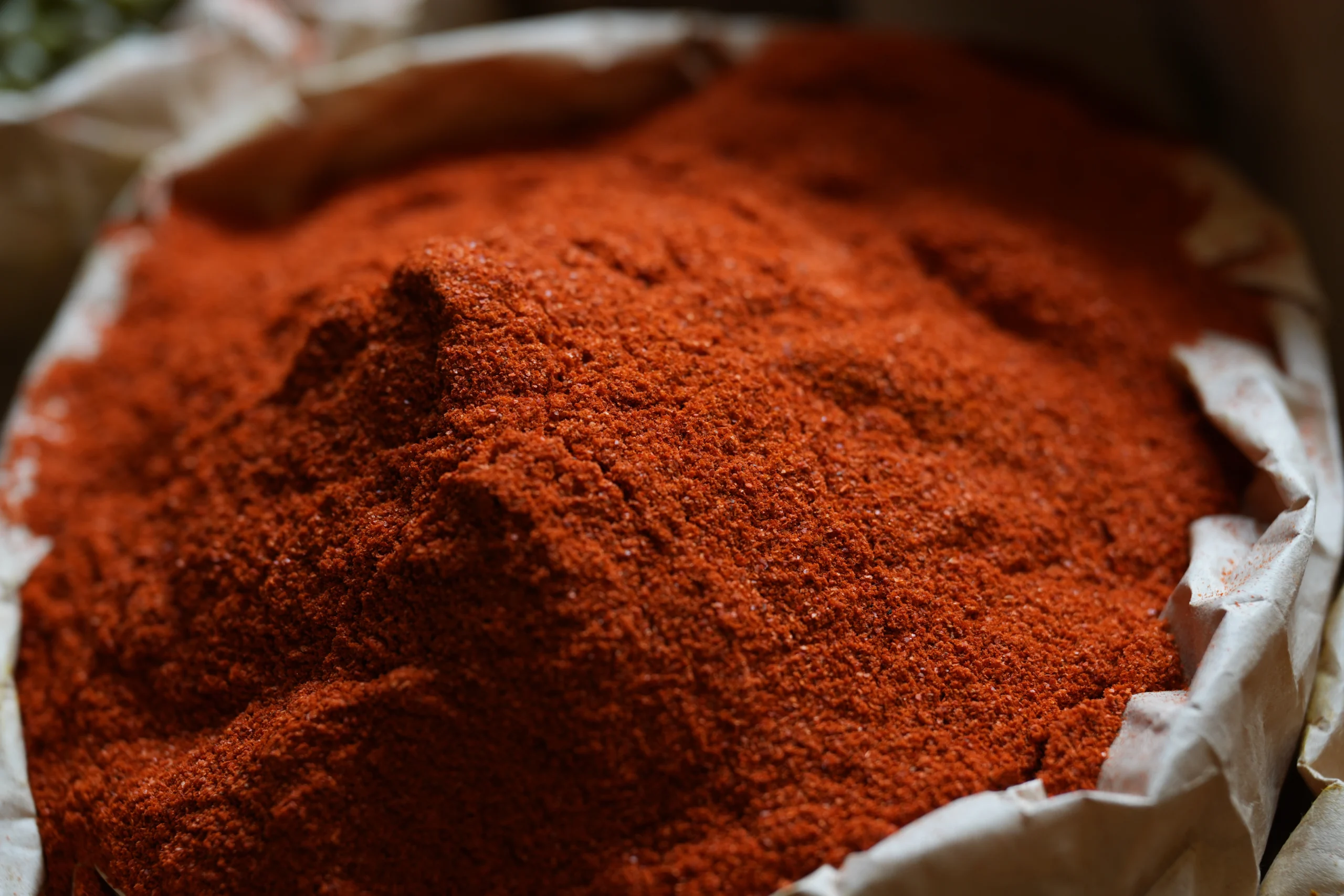
4. Cumin Coriander Export India: The Seed-Spice Engine
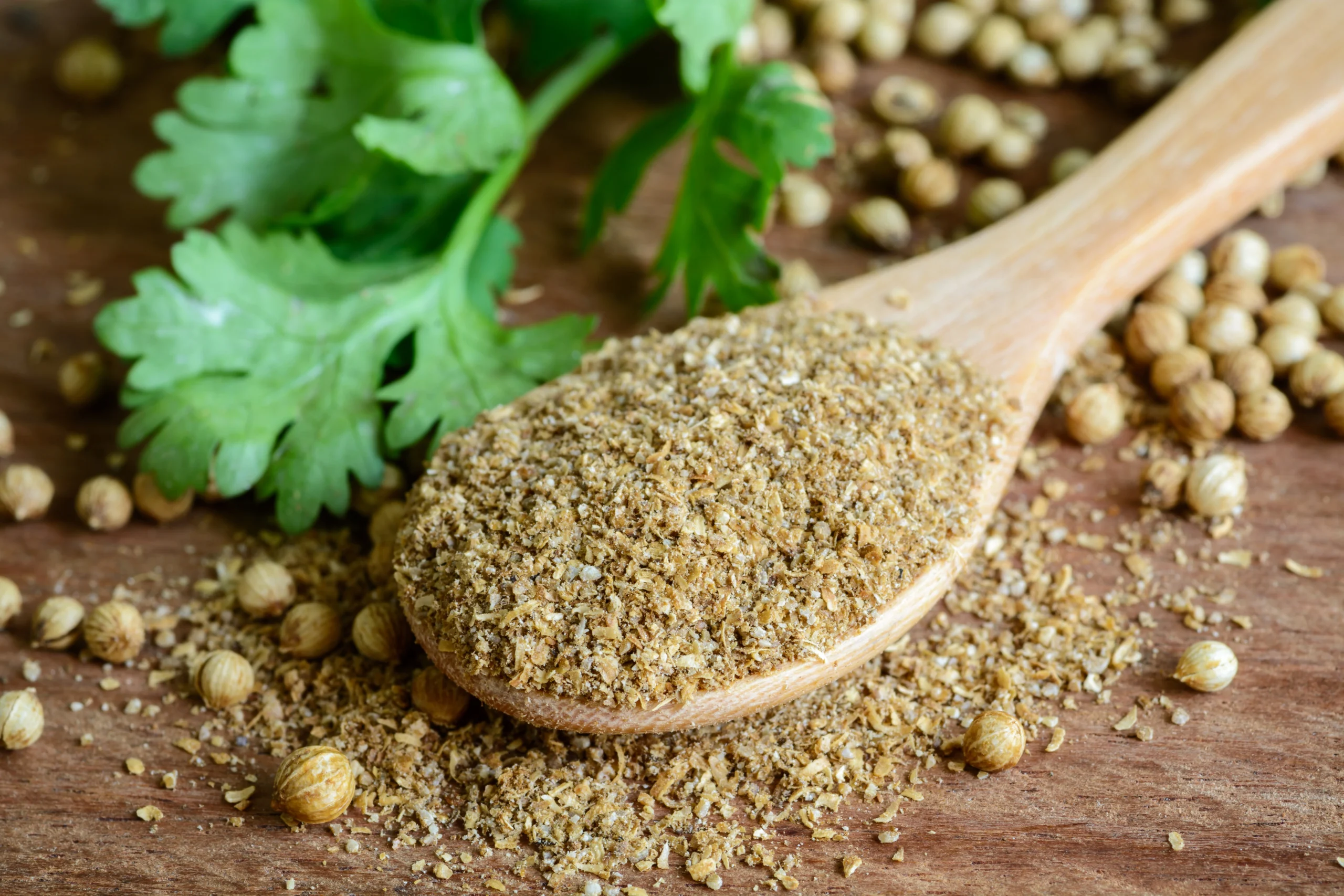
If chilli is volume, cumin is value. Cumin led the Indian value chart at roughly US$732 million, and Gujarat and Rajasthan anchor cumin-coriander exports from India. Unjha in Gujarat is the world’s largest cumin market, while Rajasthan’s Baran and Kota districts are famous for large-scale coriander farming.
For cumin and coriander exports from India, buyers specify purity (Singapore quality 99% / 99.5% for cumin and European quality for stricter residue limits), moisture, admixture, and volatile oil content for aroma. Coriander expanded in both value and volume in FY25, making cumin-coriander exports from India one of the steadiest twin-commodity plays in the whole basket.
5. Whole Spices B2B Export vs Ground Spices
One of the first decisions in whole spices B2B export is format: whole seed/pod versus ground powder. The choice is commercial, not cosmetic.
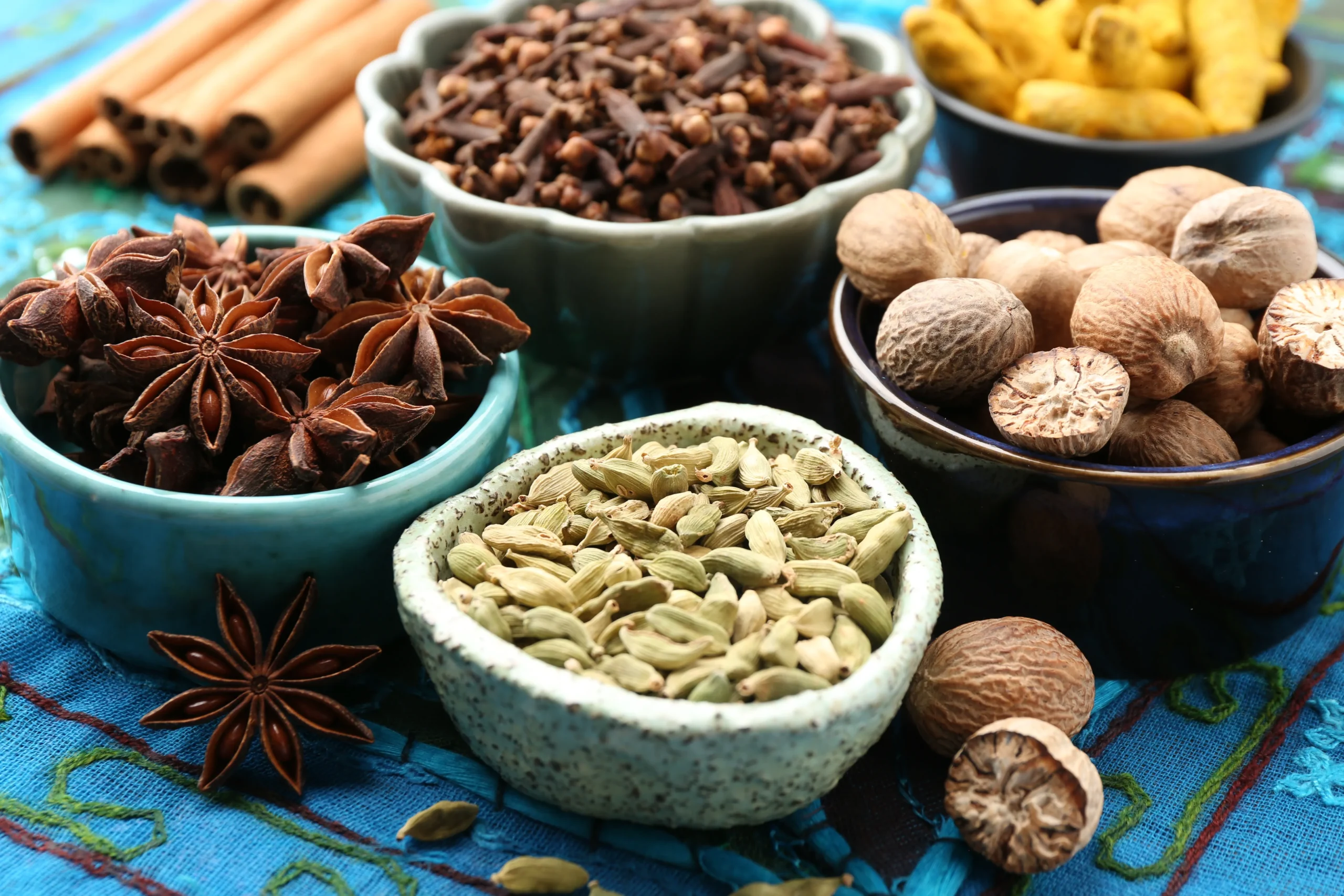
Whole Spices
Longer shelf life, lower adulteration risk, and preferred by buyers who grind in-market for freshness: large food manufacturers and re-packers. Whole spices B2B export also clears customs cleanly, as the product is visually verifiable.
Ground / Powdered Spices
Ground spices offer convenience for retail and HORECA, but they face tighter scrutiny on colour, microbiology, and adulteration. Ground formats are where steam sterilisation and MRL compliance are most important.
In-market grinders and manufacturers tend to prefer whole spices for B2B export, while retail-ready and foodservice buyers prefer ground ones. Many buyers run both through a single Indian spice export company to serve their whole customer base.
6. Why a Steam-Sterilised Spices Supplier Wins
This method is the fastest-growing requirement in the trade. A steam-sterilised spice supplier uses saturated steam to reduce microbial load, bacteria, yeast, and mould without chemicals and without the ethylene oxide (ETO) fumigation that the EU bans.
Why buyers insist on a steam-sterilised spice supplier: it is organic-compliant, chemical-free, preserves flavour and colour better than harsh alternatives, and meets strict EU and US microbiological limits. For clean-label and organic programmes, steam sterilisation is effectively mandatory, which is why a steam-sterilised spice supplier now commands a premium over conventional processors.
7. ISO Certified Spice Exporter India: Certifications That Matter
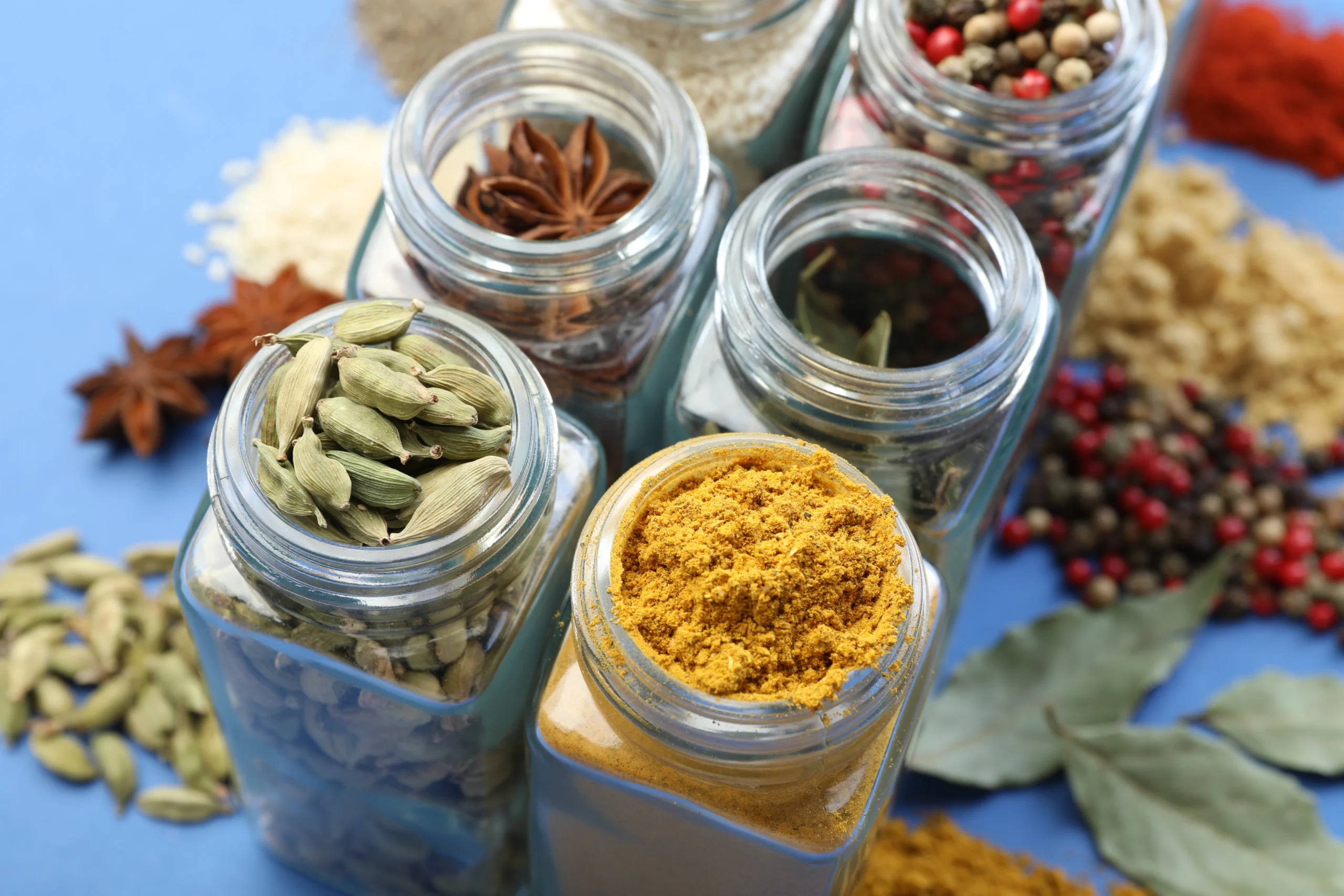
Certifications are how a buyer de-risks a supplier they cannot visit. An ISO-certified spice exporter in India should be able to produce, per shipment, the documents that match the destination:
- ISO 22000 / HACCP food safety management, the baseline for an ISO-certified spice exporter in India.
- Spices Board registration (CRES) is mandatory for Indian spice exporters.
- An FSSAI domestic food safety licence is also required.
- USDA NOP / EU Organic (NPOP via APEDA) certification is required for organic lines.
- FSSC 22000, BRC, or kosher/halal certification is required as specified by the buyer or market.
- Batch COA lab report on colour, moisture, aflatoxin, MRL and microbiology.
An ISO-certified spice exporter in India that also runs steam sterilisation and destination-standard MRL testing is the combination most global buyers now treat as non-negotiable.
8. Working with a Bulk Spices Supplier India (B2B Process)
For B2B importers, sourcing from a bulk spice supplier in India follows a defined path:
- Specify spice, variety, grade, ASTA/SHU or purity, moisture, processing (steam/ETO-free), and packaging.
- Sample & COA request: pre-shipment samples and a batch certificate of analysis.
- Quote lock FOB or CIF against the exact spec, with validity dates.
- Contract payment terms (LC at sight standard for new buyers), MOQ, and inspection agency (SGS/Eurofins/Intertek).
- Documentation: Spices Board CRES, IEC, phytosanitary certificate, certificate of origin, health certificate, bill of lading.
- Inspection and shipment are subject to a third-party check before loading into food-grade packaging.
A capable bulk spice supplier in India offers both container-load volumes and private-label/retail packing, allowing buyers to scale from trial orders to programme supply with a single partner. That is how we structure spice sourcing at Vipasvi Overseas Hubb, connecting certified Indian processors to manufacturers, retailers and HORECA buyers worldwide.
Frequently Asked Questions (FAQs)

Ravikiran Sangaare
Position: Founder & Director, Vipasvi Overseas Hubb
Ravikiran Sangaare is the Founder & Director of Vipasvi Overseas Hubb, a global export company committed to delivering premium Indian agricultural products to the world. With a strong belief in integrity, quality, and farmer partnerships, he leads the company with a vision to bridge Indian fields to international markets through transparency, reliability, and unwavering commitment.