West Africa: Why IR64 Parboiled Rice Export India Dominates the Nigerian Market in 2026
IR64 parboiled rice exports from India are having a defining year. West Africa has become the world’s largest rice-importing block, and Indian IR64 is winning the region on the two things that decide bulk staple contracts: price and cuisine fit. For a serious B2B buyer in Lagos, Cotonou or Dakar, understanding why this is the difference between a profitable container and a warehouse of unsellable rice is crucial.
The demand signal is loud. According to the Observatory of International Rice Statistics (OSIRIZ), rice imports into Sub-Saharan Africa rose 13.7% in 2025 to 22.3 million tonnes, with Nigeria estimated at 3.4 million tonnes, up from 2.9 million the previous year. At Vipasvi Overseas Hubb, we treat IR64 parboiled rice exports from India as a precision trade: right grade, right documents, and right safeguards. Here’s the full picture.
1. The West Africa Demand Story
The foundation of IR64 parboiled rice export from India is structural: West Africa consumes far more rice than it grows. Per OSIRIZ, Sub-Saharan imports reached 22.3 million tonnes in 2025 (up 13.7% from 19.6 million), driven by strong consumer demand, limited local-production progress and abundant global supply.
The concentration is striking. OSIRIZ estimates Nigeria at ~3.4 million tonnes, Côte d’Ivoire at ~2.5 million (up 19%) and Senegal at ~1.9 million, together accounting for about 35% of the region’s imports. Nigeria’s ~3.4 million-tonne figure is independently echoed by Nigeria Customs Service data. Benin (Cotonou) acts as the entry valve and re-export hub into the Nigerian market, while Tanzania, Mozambique, Cameroon and Ghana round out the strongest parboiled-rice markets.
Accuracy note: These OSIRIZ/S&P Global Platts figures are excellent for framing demand because customs and estimate revisions occur; treat them as directional and verify the latest numbers before contracting large volumes.
2. Why IR64 Wins: Cuisine Fit + Price
Read More Export from India succeeds for two reasons that reinforce each other: how the rice cooks and what it costs.
Cuisine fit
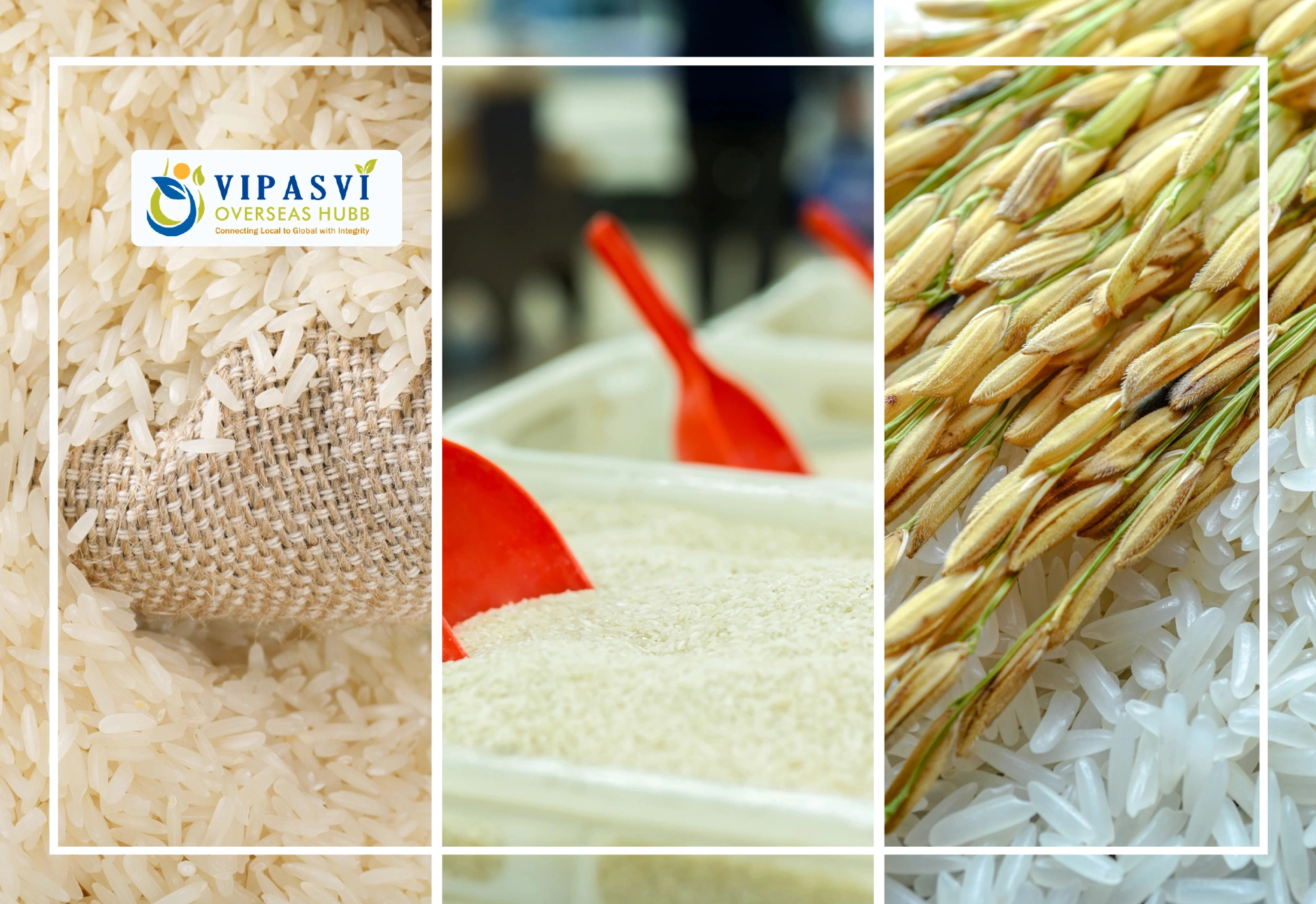
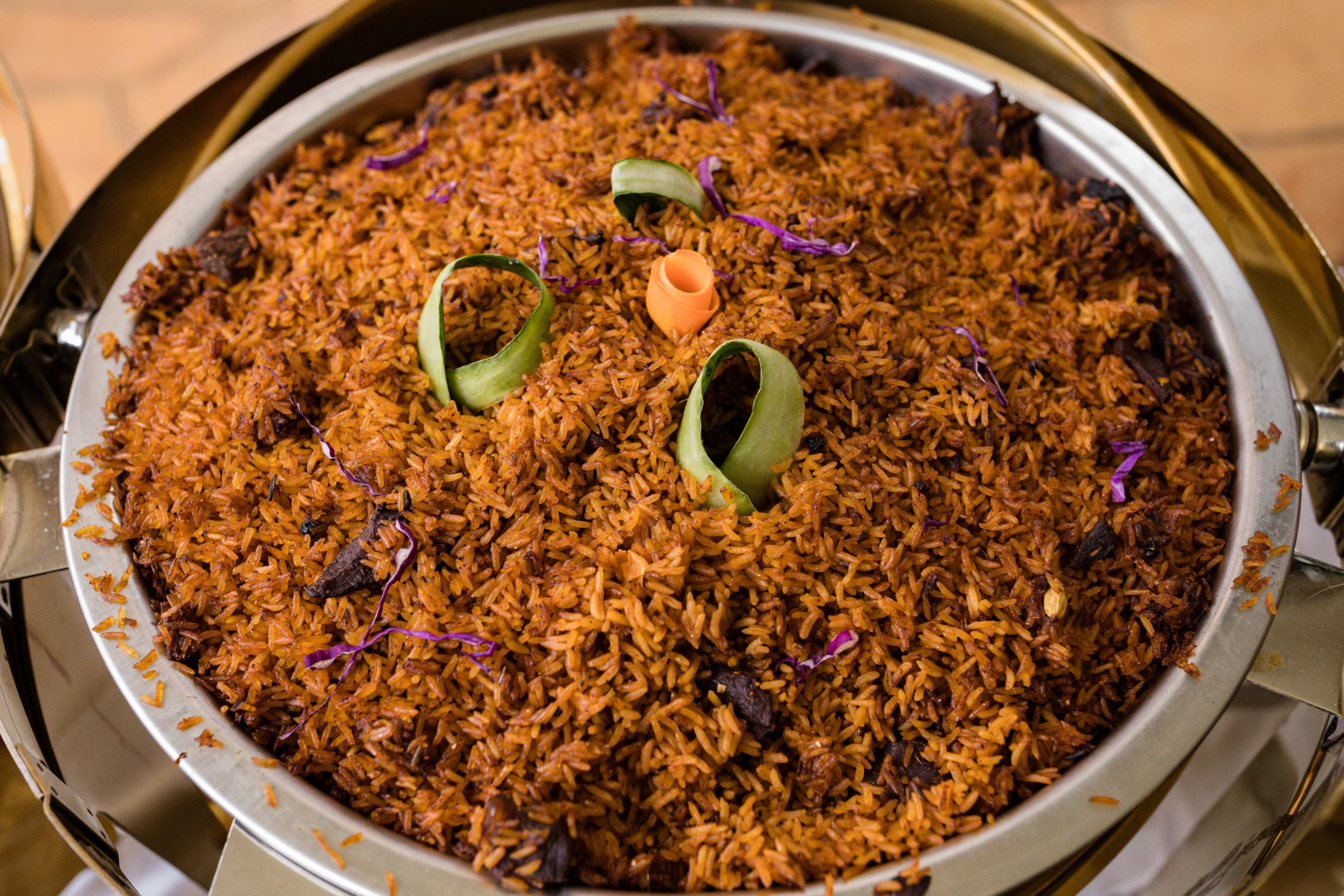
Because of its high amylose content and the parboiling process, IR64 holds a firm, “sturdy texture” that stays separate under long cooking. That is precisely what one-pot, tomato-based West African dishes demand: Jollof (Nigeria and Ghana) and Thieboudienne (Senegal), where soft, sticky rice disintegrates. Long-grain parboiled rice, a West African buyer’s prize, is defined by grains that survive the pot intact.
Price
IR64 is consistently the cheapest major non-basmati variety at export, ideal for these price-sensitive bulk markets. The competitive shift in 2026 is decisive: Indian non-basmati is now outcompeting Thai and Vietnamese rice on both price and cooking suitability, which is why India’s IR64 parboiled rice exports continue to take share across the region.

3. Honest Positioning: What IR64 Is and Isn’t
Credible selling means stating the trade-off plainly. IR64’s disadvantage is lower perceived quality versus premium varieties like basmati or Sona Masoori. It should not be positioned as a premium product, and serious buyers respect a supplier who says so.
IR64 is a workhorse staple: dependable, affordable, and purpose-fit for daily high-volume consumption and Jollof-style cooking. Positioning IR64 parboiled rice export India as “value that cooks correctly” is honest and it converts; positioning it as luxury rice does not survive first contact with an experienced importer.
4. IR64 Product Specifications for Buyers
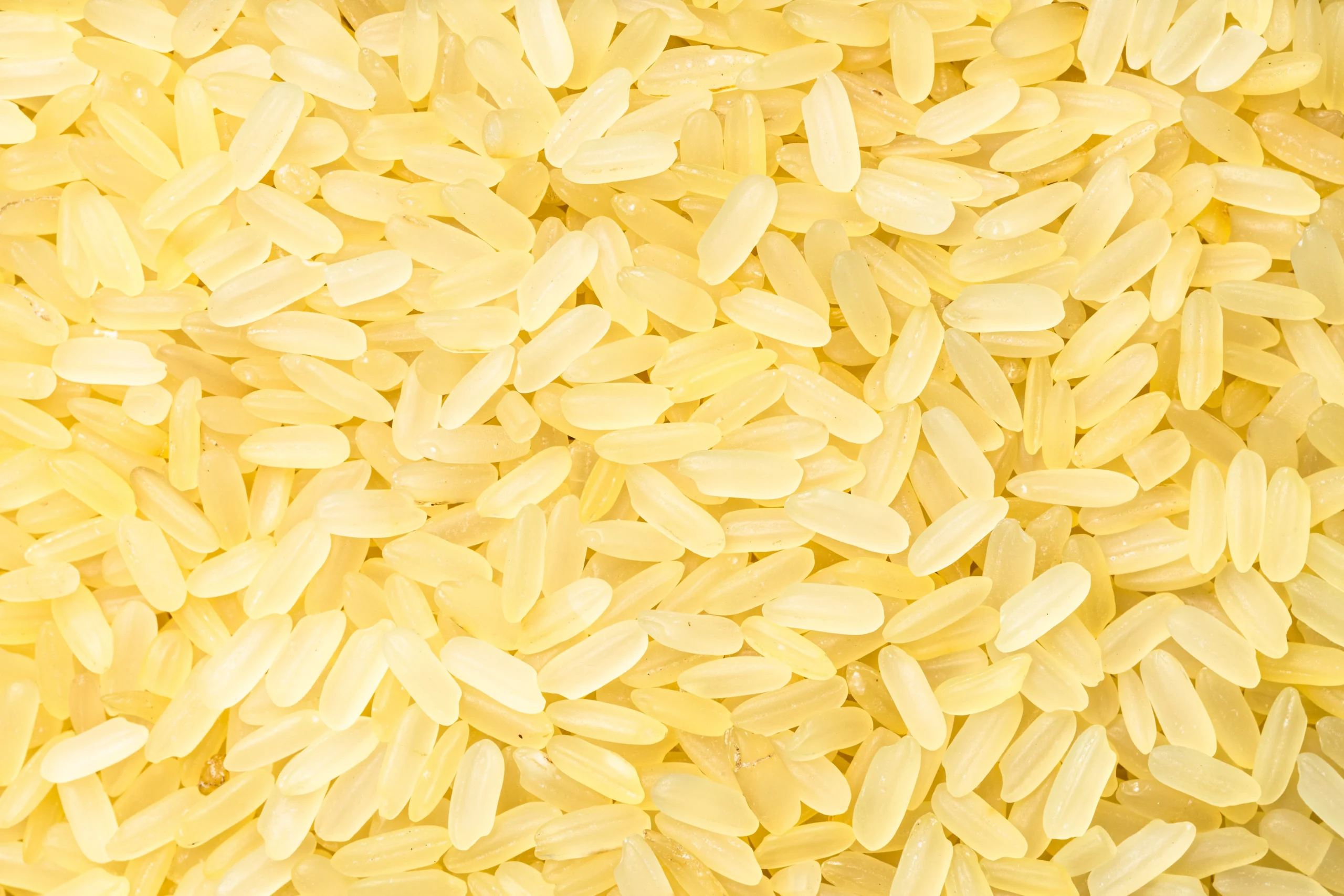
A precise spec sheet is the contract for bulk parboiled rice export India dealings. IR64 is offered as:
- Formats raw, parboiled, and steamed rice.
- Broken percentages (5%, 10%, 25% and higher) are specified according to the buyer’s market and price point.
- Processing is typically Sortex clean and double-polished.
- Grain length around 6.0–6.2 mm.
- Packing is in 25kg / 50kg PP or BOPP bags, often buyer-branded.
- Origin is mainly Andhra Pradesh, Odisha, Karnataka and Tamil Nadu.
For any IR64 parboiled rice export India contract, the broken percentage is the single most significant price and quality variable; a 5% broken parboiled grade is a different product and a different price from a 25% grade. Document it in writing.
5. Non-Basmati Rice Export to Africa: The Route Map
Non-basmati rice exports to Africa run on a well-worn logistics map. The major discharge points are Apapa (Lagos), Cotonou (Benin), Dakar (Senegal) and Tema (Ghana). Cotonou is especially important as a re-export gateway to Nigeria.
Beyond the headline markets, non-basmati rice exports to Africa extend to Tanzania, Mozambique, Cameroon and Ghana, where parboiled rice is the preferred daily staple. A capable exporter matches the broken-percentage grade and packaging to each destination’s price sensitivity and cooking preference, rather than shipping one generic spec everywhere.
6. IR64 Rice FOB Price 2026: How to Read It
Buyers search hard for the IR64 rice FOB price in 2026, but a fixed number in a blog is a trap; live FOB and CIF prices shift constantly with paddy costs, freight, currency and season. What matters is knowing the levers and getting a current quote.
What moves the IR64 rice FOB price in 2026?
- The broken percentages of 5%, 10%, and 25% are the biggest single drivers.
- Format parboiled and steamed prices differently from raw.
- Paddy & mandi prices are the underlying crop costs in AP, Odisha, Karnataka, and Tamil Nadu.
- Freight & port route to Apapa, Cotonou, Dakar or Tema, plus congestion.
- Packaging options include 25 kg vs 50 kg, PP vs BOPP, and plain vs printed/branded.
The practical rule: treat any published IR64 rice FOB price for 2026 as directional only, and ask us for a live quote against your exact grade, port and volume before you budget.
7. Trade Realities: Payment, Logistics & Inspection
The bulk rice trade rewards buyers who manage risk deliberately. Three realities matter most in non-basmati rice exports to Africa.
Payment risk
For new relationships and large volumes, a secure Letter of Credit (LC at sight) protects both sides: the buyer pays against documents, and the exporter ships against a bank guarantee.
Complex inland logistics
West African inland distribution from port to interior markets, sometimes crossing borders via Cotonou into Nigeria, is complex and adds both cost and time. Plan for it in the landed-cost calculation from the start.
Third-party inspection
This is the buyer’s best protection. Independent pre-shipment inspection (SGS, Intertek, Cotecna) protects against three common frauds in this trade: blending (mixing lower grades), moisture manipulation (selling water weight), and broken-percentage fraud (a 25% grade sold as 5%). For any IR64 parboiled rice export contract of any size from India, third-party inspection pays for itself.

8. IR64 Rice Supplier Nigeria: Documentation Checklist
A reliable Indian rice exporter that Nigeria’s bulk buyers can trust provides complete, verifiable documentation with every shipment. A dependable IR64 rice supplier Nigeria importers rely on will supply the following:
- Commercial invoice, packing list and sales contract
- Bill of lading
- Phytosanitary Certificate from Plant Quarantine, confirming pest-free status
- Export certificate and certificate of origin
- Lab report / Certificate of Analysis: broken percentage, moisture, grain length, purity
- Fumigation certificate and weight certificate as required
A trustworthy IR64 rice supplier Nigeria importers rely on will welcome third-party inspection rather than resist it; that willingness is itself a credibility signal.
9. How Vipasvi Overseas Hubb Helps
Everything above is where deals succeed or fail. Here is how we support buyers as a bulk parboiled rice exporter in India, in partnership with:
- We supply IR64 parboiled and steam rice in your exact broken percentage (5/10/25%), with grade-accurate, Sortex-clean, double-polished grains, all packed to your specifications.
- Transparent contracts clarify grade, price and terms, with LC-based payment security for new relationships.
- Inspection-friendly: We welcome SGS/Intertek/Cotecna pre-shipment inspection to protect you against blending, moisture and broken-percentage fraud.
- West Africa route knowledge: shipping to Apapa, Cotonou, Dakar and Tema, with documentation done right the first time.
- Get live pricing and current FOB/CIF quotes for your grade, port and volume instead of stale published numbers.
If you’re importing into Nigeria or the wider region and want IR64 parboiled rice exports from India handled as a precision trade, that’s exactly the conversation we want to have.
Frequently Asked Questions (FAQs)

Ravikiran Sangaare
Position: Founder & Director, Vipasvi Overseas Hubb
Ravikiran Sangaare is the Founder & Director of Vipasvi Overseas Hubb, a global export company committed to delivering premium Indian agricultural products to the world. With a strong belief in integrity, quality, and farmer partnerships, he leads the company with a vision to bridge Indian fields to international markets through transparency, reliability, and unwavering commitment.