Basmati Rice Bulk Buy: Complete Guide for Wholesale Buyers
Buying Basmati rice in bulk is very different from purchasing a few bags for personal use. Importers, wholesalers, distributors, restaurants, supermarkets and food brands need to consider the rice variety, grain quality, packaging, order quantity, supplier reliability and import requirements before placing an order.
A successful basmati rice bulk buy starts with understanding exactly what you need. Two suppliers may both offer “premium Basmati rice“, but the actual product can differ in variety, ageing, processing, grain specifications and packaging.
India remains a major source for international Basmati buyers. According to APEDA, India exported approximately 6.52 million metric tonnes of Basmati rice in 2025–26, valued at approximately US$5.67 billion. Major destinations included Saudi Arabia, Iran, Iraq, the UAE, Yemen and the USA.
This guide explains what wholesale buyers should consider when sourcing bulk Basmati rice for the UK, USA, Africa, India and other international markets.
What Does a Basmati Rice Bulk Buy Mean?
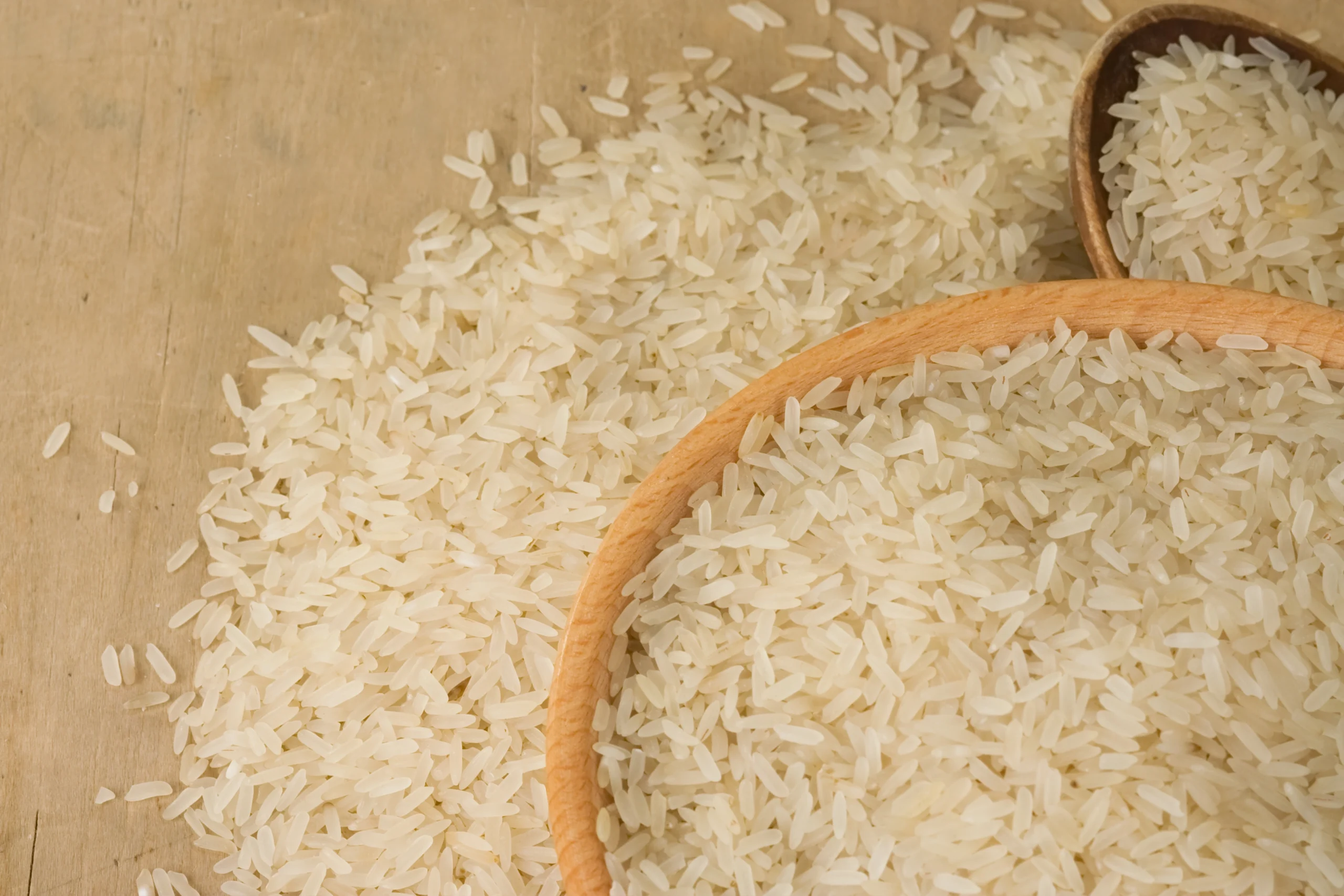
A basmati rice bulk buy means purchasing basmati rice in commercial quantities rather than normal household quantities. Buyers can include importers, wholesalers, distributors, supermarkets, restaurant groups, catering companies and food brands.
The actual quantity considered “bulk” depends on the supplier and buyer. Some businesses purchase multiple wholesale bags, while international importers may source pallet loads or full shipping containers.
For international buyers, the process normally involves more than comparing the price per kilogram. Product specifications, packaging, logistics, documentation and destination-country requirements all affect the final buying decision.
Why Is Basmati Rice Popular With Wholesale Buyers?
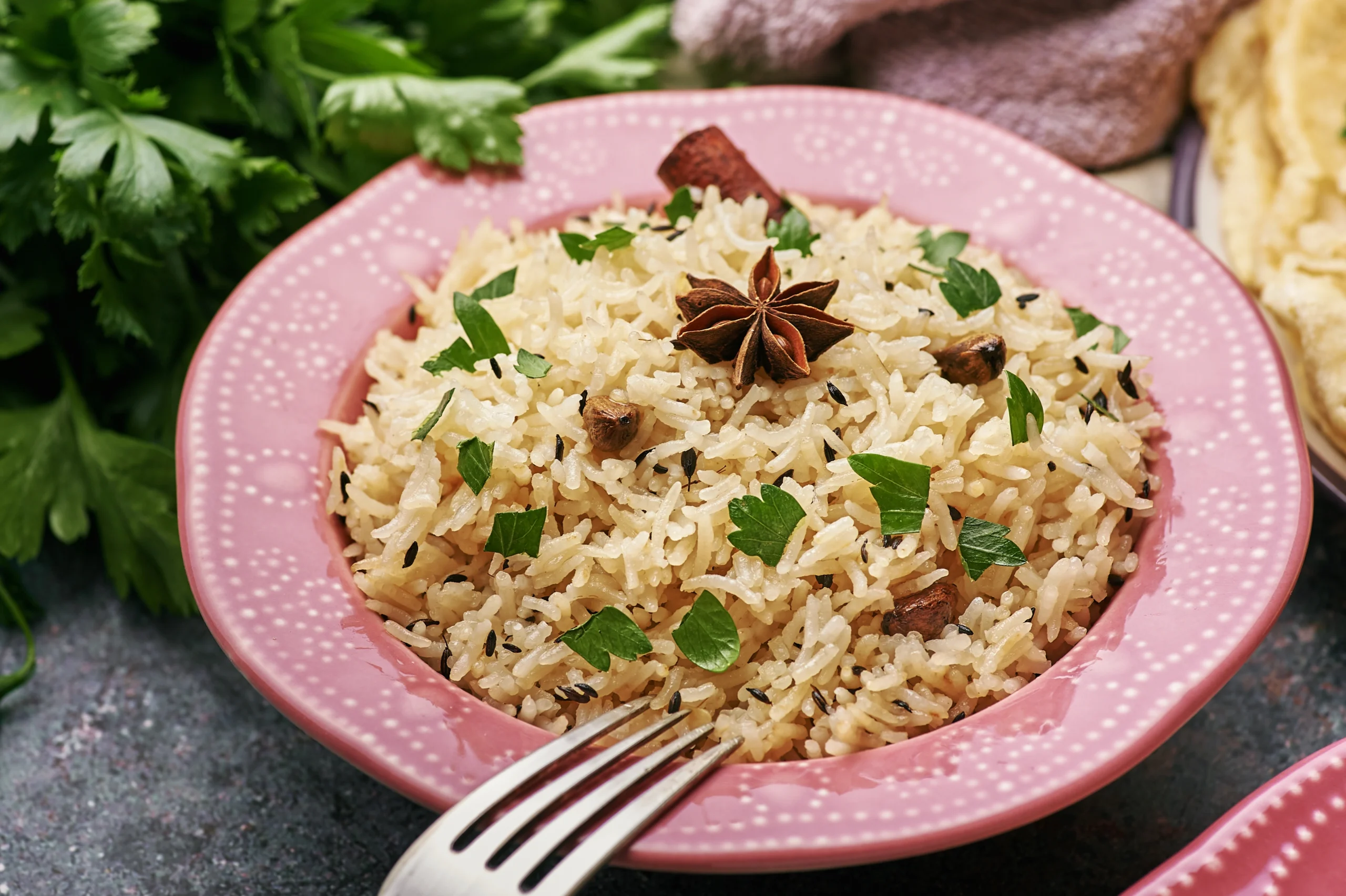
Basmati is a premium aromatic long-grain rice known for its distinctive aroma, slender grain and elongation during cooking. APEDA describes Basmati as long-grain aromatic rice associated with a defined geographical area in the Himalayan foothills of the Indian subcontinent. In India, the registered Basmati geographical area covers specified regions in Punjab, Haryana, Himachal Pradesh, Uttarakhand, Delhi, western Uttar Pradesh and Jammu & Kashmir. Basmati’s cooking characteristics make it suitable for dishes such as the following:
- Biryani
- Pulao and pilaf
- Curries with rice
- Middle Eastern rice dishes
- Restaurant and catering meals
- Premium packaged retail rice
- Ready-meal production
For wholesale buyers, however, the best rice is not simply the most expensive variety. It should match the target customer, the required quality, the cooking application, and the price point.
Main Types of Basmati Rice for Bulk Buyers
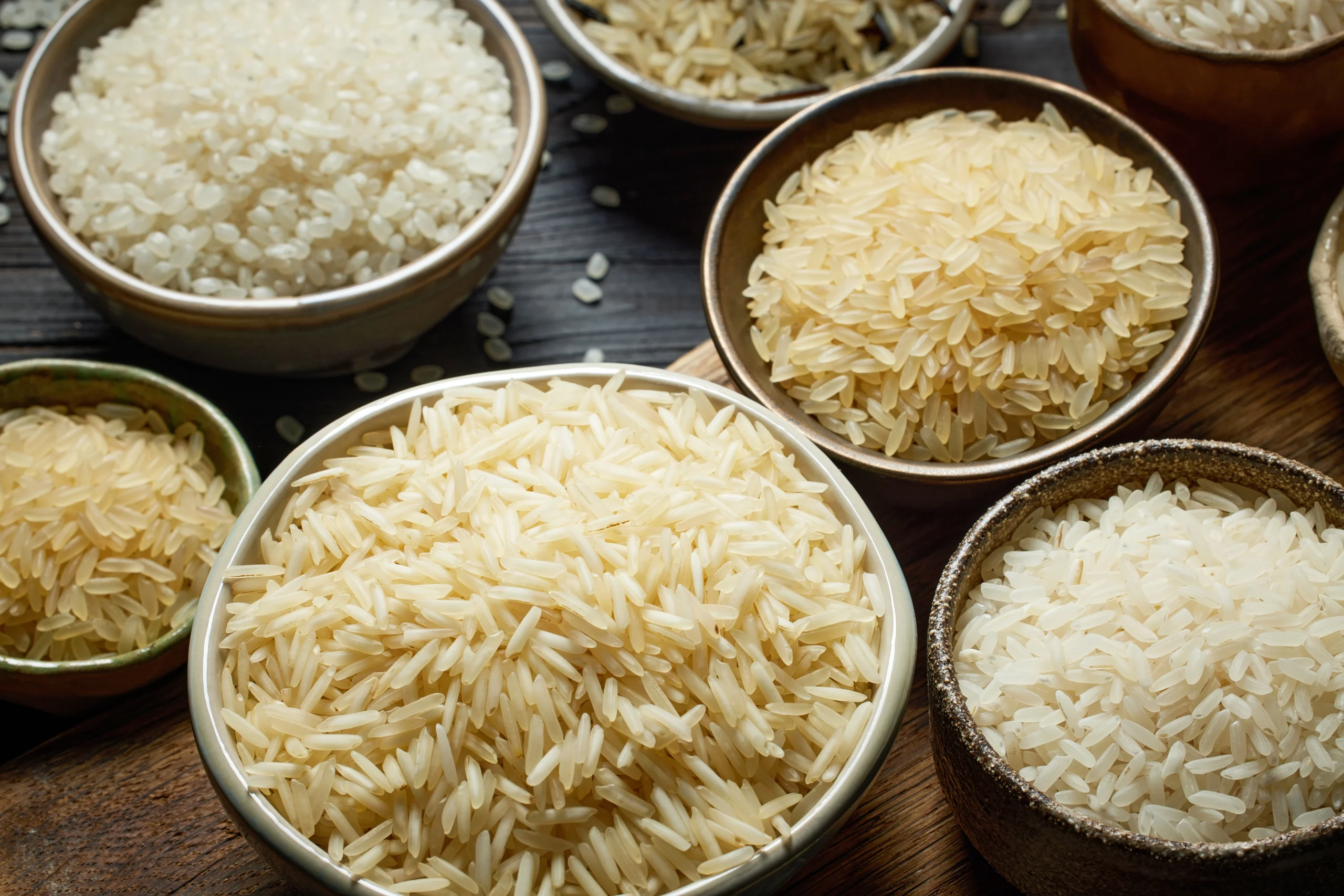
One of the first decisions when planning a basmati rice bulk buy is selecting the right variety and processing method. Common commercial options can include:
| Basmati Type | Typical Buyer Consideration |
| 1121 Basmati | Known for very long grains and strong elongation |
| Traditional Basmati | Selected for traditional Basmati characteristics |
| Pusa Basmati | Used across retail and food-service markets |
| Raw Basmati | White rice processed without parboiling |
| Steam Basmati | Steam-treated before final processing |
| Sella Basmati | Parboiled rice valued for firmer cooked grains |
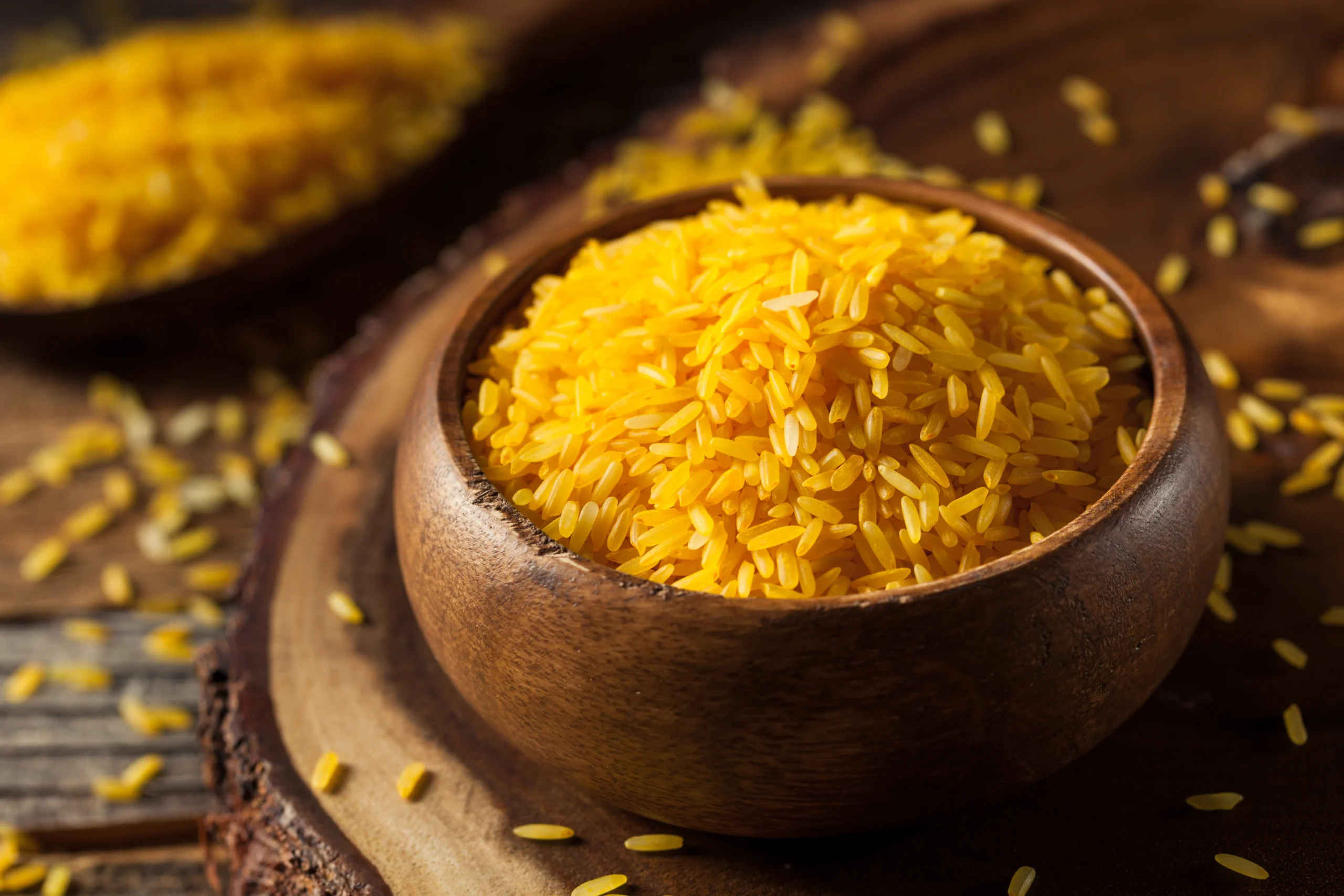
| Golden Sella | Parboiled Basmati with a golden appearance |
| Brown Basmati | Retains the bran layer |
The exact variety and specification should always be confirmed with the supplier before purchasing.
What Is 1121 Basmati Rice?
1121 Basmati is a commercially important Basmati variety recognised for its extra-long grain and strong elongation after cooking. It is widely supplied in raw, steamed, white sella and golden sella forms.
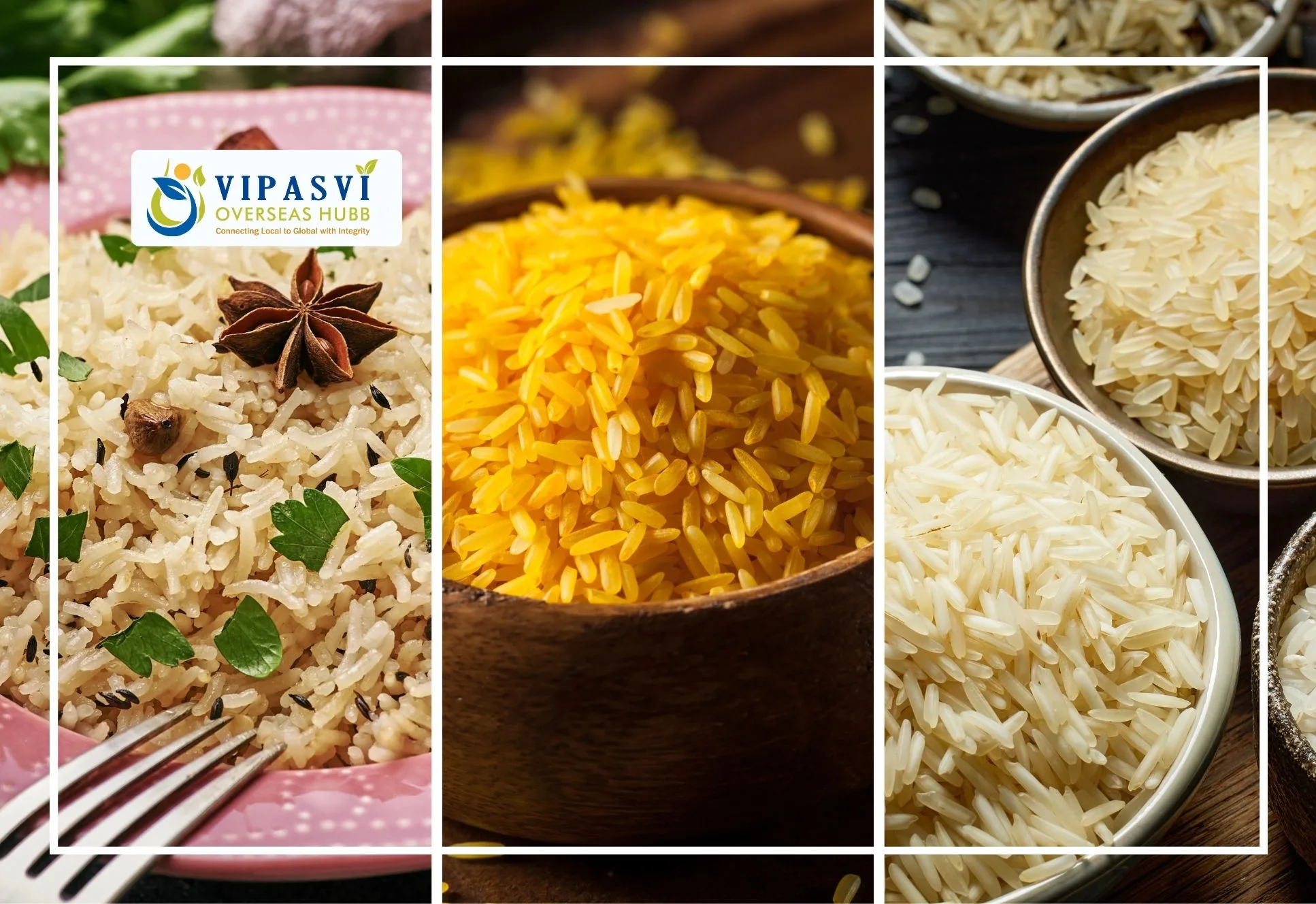
Raw vs Steam vs Sella vs Golden Sella Basmati Rice
Processing can significantly affect how Basmati rice looks and behaves when cooked.
Raw Basmati Rice
Raw basmati is milled without the parboiling process associated with Sella rice. The familiar white appearance that buyers associate with premium Basmati is generally present.
Steam Basmati Rice
Steam processing changes some of the cooking characteristics while maintaining a white appearance. It is commonly supplied to retail and food-service buyers.
Sella Basmati Rice
Sella rice is parboiled before milling. The process creates firmer grains that can remain separate after cooking, making it useful for high-volume catering and certain regional cuisines.
Golden Sella Basmati Rice
Golden Sella undergoes parboiling, which gives it its distinctive golden colour. It is widely traded internationally and is commonly used for biryani and food-service applications.
The best choice depends on your customers and intended use.
How Do You Choose Basmati Rice for Bulk Buying?
Before purchasing bulk Basmati rice, define a clear product specification and compare suppliers against the same requirements.
Important factors include:
1. Variety
Confirm the exact Basmati variety, rather than accepting a general description such as “premium rice.”
2. Grain Characteristics
Ask for information about grain length, appearance and expected cooking characteristics.
3. Processing Method
Specify whether you require:
- Raw
- Steam
- White Sella
- Golden Sella
- Brown Basmati
4. Ageing
Ask whether the rice is aged and, if so, for how long. Do not assume that all wholesale Basmati has the same ageing period.
5. Broken Grain Percentage
The acceptable level of broken grains should be clearly stated in your specification and agreed before production or shipment.
6. Moisture
Moisture specifications can affect storage and product quality. Ask the supplier to state the agreed limit in the specification or inspection documentation.
7. Purity and Quality Requirements
Define the required product standard clearly, including any testing, residue, food-safety or destination-market requirements relevant to your shipment.
8. Sample Testing
For significant commercial orders, evaluating a representative sample before committing to a larger purchase can help reduce quality disputes.
What Determines Basmati Rice Wholesale Price?
There is no single worldwide Basmati rice wholesale price. Prices can change based on supply, demand, variety, crop conditions, processing, ageing, quality specification, packaging and logistics.
Important pricing factors include:
- Basmati variety
- Raw, steam or Sella processing
- Ageing period
- Grain specification
- Broken percentage
- Quality grade
- Order volume
- Packaging type
- Private labelling
- Inspection or testing requirements
- Freight
- Destination
- Incoterms
- Currency movements
This is why buyers should be careful when comparing quotations. A lower price may reflect a different specification, packaging arrangement or delivery term rather than a genuinely cheaper offer for the same product.
Compare Like With Like
When requesting quotations, send the same specification to each supplier.
For example, instead of asking the following:
“What is your Basmati rice price?”
Ask for a quotation based on the following:
Variety + processing method + quality specification + packaging + quantity + destination + required Incoterm.
This creates a much more useful comparison.
What Packaging Is Available for Bulk Basmati Rice?
Packaging depends on whether the rice will be sold wholesale, used in food service or supplied directly to consumers. Common commercial formats can include:
- PP woven bags
- Non-woven bags
- Jute bags
- Consumer retail pouches
- Printed branded bags
- Private-label packaging
Available weights depend on the supplier and target market. Buyers should confirm packaging specifications rather than assuming standard sizes. For retail distribution, packaging must also meet the destination country’s labelling requirements.
Buying Basmati Rice From India
India is one of the most important sourcing markets for Basmati rice. APEDA reports that India exported 6.52 million metric tonnes of Basmati rice during 2025–26, worth approximately US$5.67 billion. Saudi Arabia accounted for 16.6% of reported Basmati exports, followed by Iran at 13.9%, Iraq at 11.2%, the UAE at 8.2%, Yemen at 5.7% and the USA at 5.0%.
India’s Basmati GI production area covers specified regions across seven states and union territories. APEDA also operates Basmati. Net is a traceability system designed to support authenticity across the Basmati value chain.
For buyers, sourcing directly from India can provide access to multiple Basmati varieties, processors, exporters and packaging options. It does not remove the need for supplier verification.
Basmati Rice Bulk Buy for UK Importers
UK wholesalers, ethnic-food distributors, restaurants, caterers and retailers represent potential markets for Indian Basmati rice. A UK buyer should consider more than the supplier’s export price. The complete landed cost can include the following:
- Product cost
- Packaging
- Inland transport
- Export documentation
- Ocean or other freight
- Insurance where applicable
- Customs-related costs
- Import duties or taxes where applicable
- Port and handling charges
- Domestic distribution
Food imports must also comply with applicable UK food and labelling requirements. Buyers should verify the current requirements for their particular product and shipment before importing.

Basmati Rice Bulk Buy for USA Importers
The USA is already an established destination for Indian Basmati. APEDA reports that the USA represented approximately 5% of India’s Basmati exports in 2025–26.
Potential commercial buyers include the following:
- Indian and South Asian food distributors
- Grocery wholesalers
- Restaurant suppliers
- Food-service distributors
- Supermarkets
- Online food retailers
- Private-label brands
US buyers should confirm applicable FDA and customs requirements before shipment because food-import compliance can depend on the product, facility and supply arrangement.
Basmati Rice for African Wholesale Markets
Africa should not be treated as a single rice market. Buyer preferences, import rules, price sensitivity, packaging and distribution structures vary significantly between countries. Markets such as South Africa, Nigeria, Kenya and Ghana can therefore require different sourcing strategies.
A distributor serving premium urban retail customers may require a different Basmati grade and packaging format from a wholesaler supplying restaurants or traditional food markets.
Before ordering, establish:
- Target country
- Customer segment
- Preferred grain and processing type
- Target retail or wholesale price
- Packaging size
- Branding requirements
- Required certificates
- Port of destination
- Expected order frequency
Country-specific import requirements should always be checked separately.
How Do You Choose a Reliable Basmati Rice Supplier?
A reliable supplier should be able to provide more than a price list.
Check the business
Verify the company’s legal identity, business address, export experience and relevant registrations.
Request Product Specifications
The supplier should clearly identify the offered products.
Ask for samples
Samples allow you to assess appearance and cooking performance before committing to a commercial shipment.
Discuss Quality Control
Ask how the supplier checks the rice before packing and shipment.
Confirm Documentation
Export documentation should be discussed before placing the order, not after the goods have been produced.
Check Production and Packing Capability
If you require large volumes or private-label packaging, confirm that the supplier can consistently meet your requirements.
Consider an independent inspection
Third-party pre-shipment inspection can provide additional verification where appropriate.
What Documents May Be Required When Exporting Basmati Rice From India?
Documentation depends on the origin, destination and transaction. APEDA currently lists several requirements for rice exports from India, including an Import Export Code (IEC), APEDA e-RCMC, a Phytosanitary Certificate, and a Registration-cum-Allocation Certificate (RCAC) for Basmati rice exports.
APEDA states that Basmati export contracts must be registered before shipment as part of the RCAC process. Other commercial or destination-specific documentation may also be required. Buyers and exporters should therefore confirm the latest requirements for the destination country before shipment rather than relying on a generic document list.
Can You Buy Private-Label Basmati Rice in Bulk?
Yes. Many commercial sourcing arrangements allow Basmati rice to be supplied under a buyer’s own brand, subject to the supplier’s capabilities and agreed minimum quantities.
Private-label buyers may need to decide on the following:
- Brand design
- Bag material
- Pack size
- Product description
- Rice variety
- Processing method
- Country-of-origin information
- Nutrition and ingredient information
- Barcode requirements
- Destination-market labelling
- Outer carton or transport packaging
Packaging artwork should be checked against the destination country’s labelling requirements before printing. This is particularly important when producing large quantities of custom packaging.
Questions to Ask Before a Basmati Rice Bulk Buy
Before confirming an order, ask the supplier:
- What exact Basmati variety are you supplying?
- Is it raw, steam, Sella or Golden Sella?
- What is the agreed product specification?
- Is the rice aged?
- What packaging options are available?
- What is the minimum order quantity?
- Can you provide private-label packaging?
- What testing or inspection is available?
- Which documents will accompany the shipment?
- What Incoterm is used in the quotation?
- What is the estimated production or dispatch time?
- Could you provide a representative sample before the main order?
A detailed quotation makes it easier to compare suppliers fairly and reduces misunderstandings later.
Buying Bulk Basmati Rice: Final Checklist
A successful basmati rice bulk buy is not simply about finding the lowest price. Start with the product your customers need. Define the variety, processing method, quality specifications, packaging, quantity and destination before requesting quotations.
Then compare suppliers based on the complete offer, including:
- Product consistency
- Specification
- Pricing
- Packaging
- Quality controls
- Export experience
- Documentation
- Communication
- Logistics
- Ability to meet repeat orders
For international sourcing, the best commercial option is usually the one that delivers the required product consistently at a workable landed cost, rather than simply showing the lowest initial price. Contact us

Frequently Asked Questions (FAQs)

Ravikiran Sangaare
Position: Founder & Director, Vipasvi Overseas Hubb
Ravikiran Sangaare is the founder & director of Vipasvi Overseas Hubb, a global export company committed to delivering premium Indian agricultural products to the world. With a strong belief in integrity, quality, and farmer partnerships, he leads the company with a vision to bridge Indian fields to international markets through transparency, reliability, and steadfast dedication.