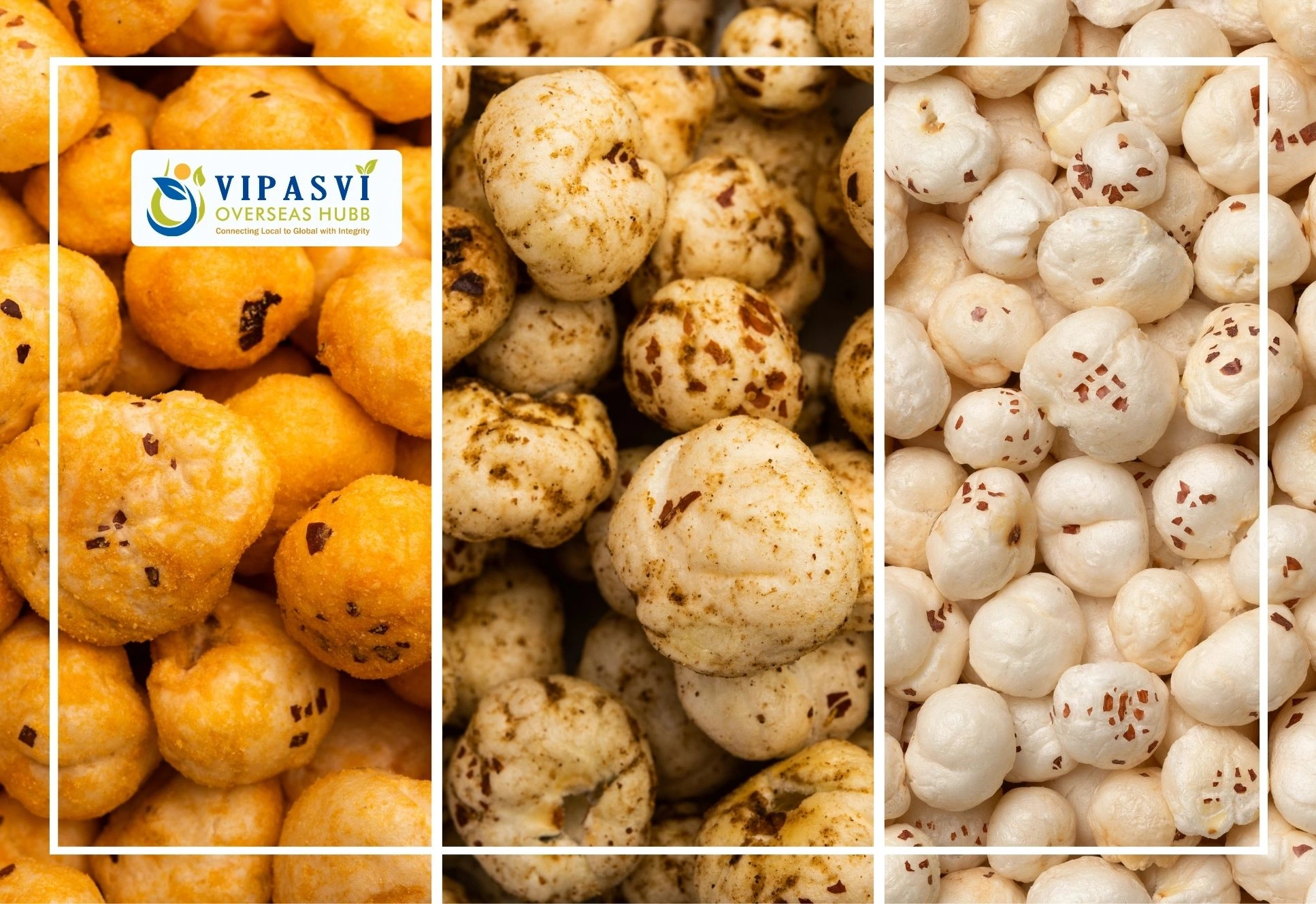
Makhana (Foxnuts) Export From India: A Guide for Global Buyers
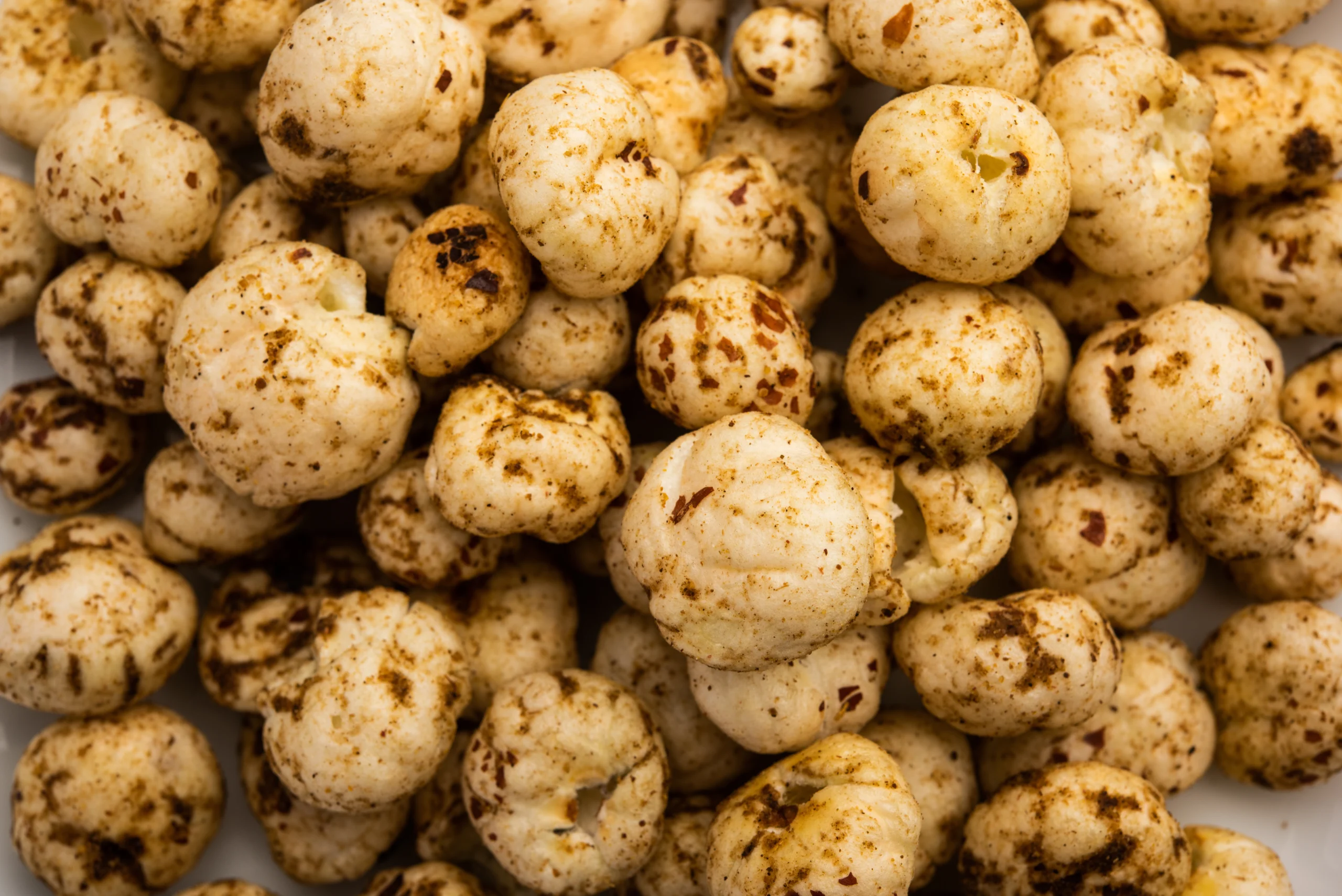
Makhana export from India is growing as fox nuts become more popular in international snack and health-food markets. India is the world’s largest producer of makhana. Bihar is at the centre of the industry, supplying nearly three-fourths of India’s production and an estimated 80–85% of global supply, according to the Government of India.
For importers, wholesalers and food brands, India offers access to raw, popped and value-added makhana for retail, wholesale and private-label markets. check vipasvioverseashubbproduct
How Much Makhana Does India Export?
India exported 7,264.89 metric tonnes of makhana products in 2025–26, with an export value of approximately ₹192.96 crore. The Government of India reports that around 40% of India’s makhana production is exported, while the rest is consumed domestically. India’s estimated makhana production reached 80,590 metric tonnes in 2025–26, up from 63,910 MT in 2024–25.
Together, the USA, Canada and UAE account for approximately 77% of India’s makhana exports. Smaller markets include Germany, Australia and Nepal. This gives Indian exporters opportunities in both established and developing markets.
Why Is Bihar Important for Makhana?
Bihar is India’s leading makhana-producing state.
The state’s production reached approximately 60,000 MT in 2025–26, with major production areas including Katihar, Purnia, Madhubani, Darbhanga, Saharsa, Supaul, Araria, Madhepura and Sitamarhi. The region also has a recognised GI product called Mithila Makhana, helping distinguish makhana associated with the Mithila region.
What Types of Makhana Can Be Exported?
International buyers can source makhana in different forms depending on the supplier and target market.
Common options include:
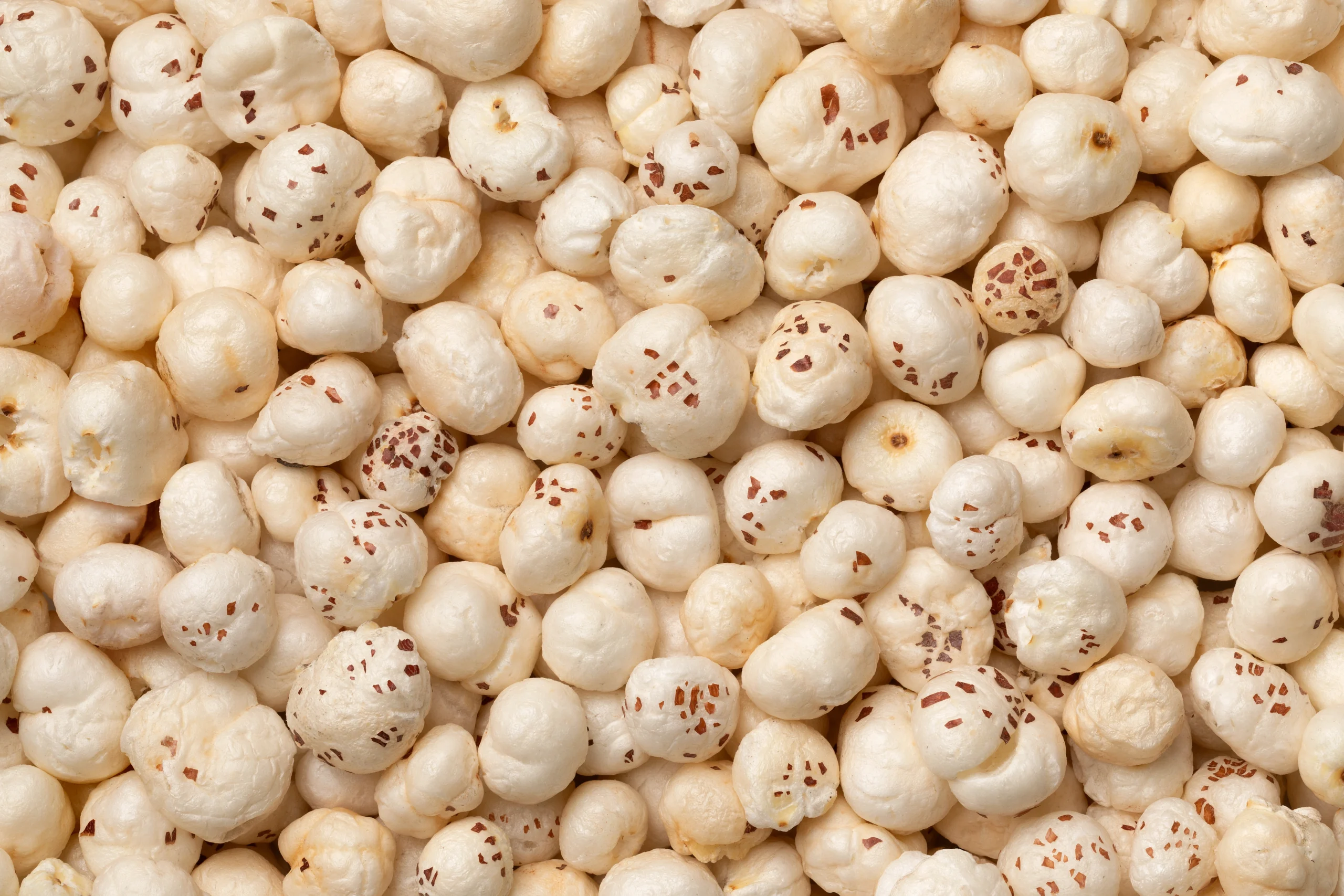
- Raw makhana
- Popped makhana
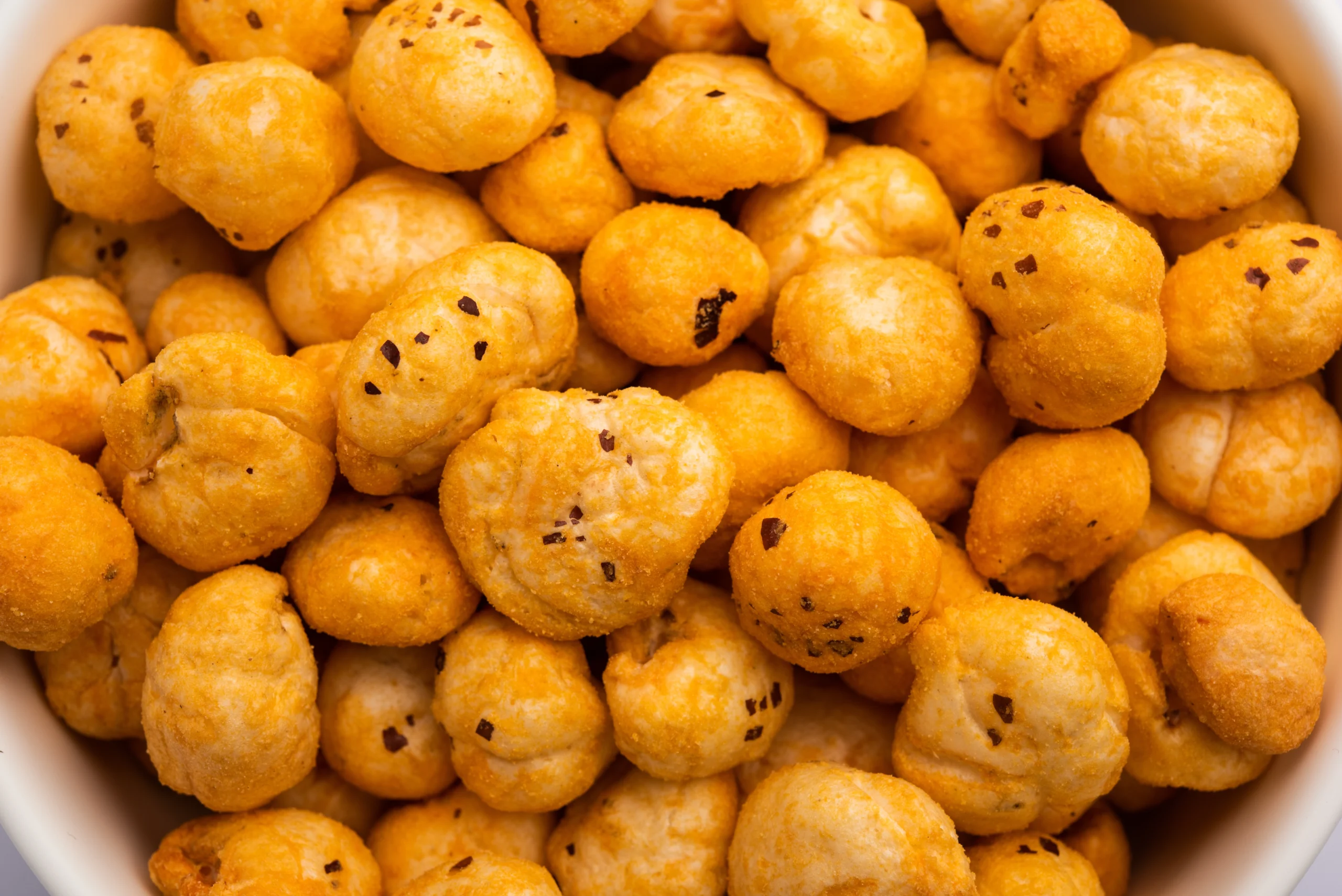
- Roasted makhana
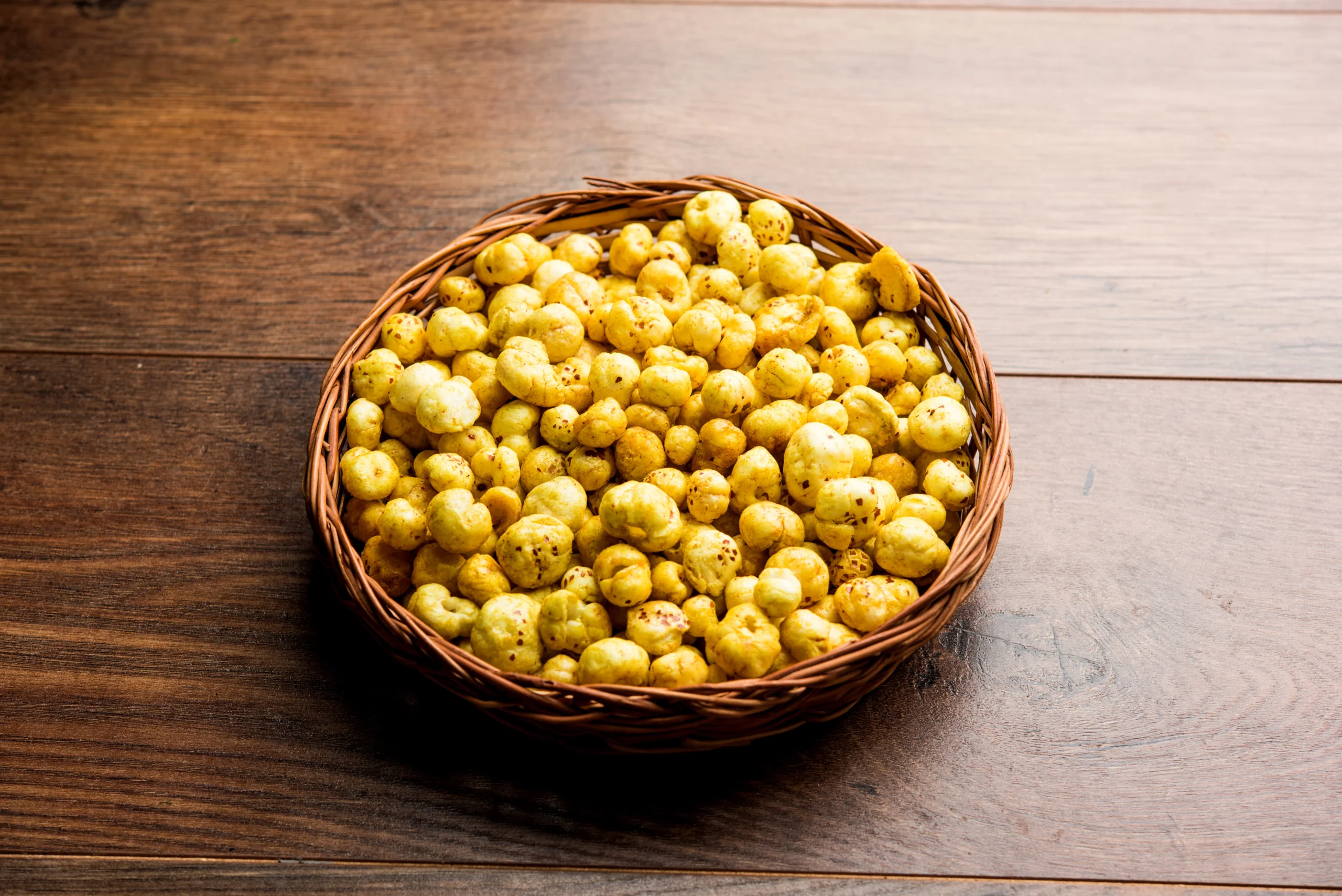
- Flavoured makhana
- Makhana flour or powder
- Retail-packed makhana
- Private-label makhana products
Value-added products are becoming particularly important. In July 2026, APEDA facilitated the first sea shipment of value-added flavoured makhana from Bihar to Canada. The shipment contained 7 MT packed in two containers.
In August 2026, APEDA also facilitated the first commercial sea shipment of GI-tagged Mithila Makhana to Australia, involving an 18 MT consignment.
What is the HS Code for Makhana exports?
This is an important recent change for exporters. Makhana previously did not have dedicated HS codes, making accurate export tracking difficult. New specific codes will be introduced from July 2025.
Exporters should confirm the correct classification for their particular product before shipment.
What Should International Buyers Verify
Finding a makhana supplier is only the first step. Before placing a bulk order, buyers should check:
- Product type and grade
- Size and appearance
- Moisture specification
- Food-safety requirements
- Testing requirements
- Packaging
- Shelf life
- Minimum order quantity
- Private-label capability
- Export documentation
- Destination-country requirements
- Incoterms
- Samples before bulk production
Specifications should be agreed before the commercial order.
Packaging for Makhana Export
Packaging depends on whether the product is intended for wholesale, food service or retail. Options may include bulk food-grade packaging, retail pouches, branded packs and private-label packaging. For roasted or flavoured makhana, packaging is particularly importaasuse the product needs protection from moisture and loss of crispness. Retail buyers should also make sure the final label meets the food-labelling requirements of their destination country.
Makhana Export From India to the USA
The USA currently accounts for approximately 40% of India’s makhana exports, making it the country’s largest reported export market.
Potential buyers include the following:
- Indian food distributors
- Healthy snack brands
- Grocery wholesalers
- Supermarkets
- Online retailers
- Private-label brands
US importers should verify applicable FDA, labelling and import requirements for their specific makhana product before shipment.
Makhana Export From India to the UK
The UK represents approximately 10% of India’s makhana exports, according to current government data. The same data indicates an average export price realisation of around US$20/kg for the UK in 2025–26, although actual commercial prices vary by product, quality, packaging and shipment terms. UK buyers can target health-food, ethnic grocery, premium snack and private-label markets.
Makhana (fox nuts) Export From India to Canada
Canada accounts for approximately 20% of India’s makhana exports, making it another major market. The recent APEDA-supported shipment of flavoured makhana to Canada also shows the potential for India to move beyond basic bulk exports towards processed and value-added makhana products.
India’s Makhana (Foxnuts) Export Industry Is Changing
India’s makhana sector is becoming more organised. The National Makhana Board was constituted in Bihar in September 2025 to support production, processing, value addition, marketing and exports.
The government also approved a ₹476.03 crore Central Sector Scheme for Development of Makhana, covering the period from 2025–26 to 2030–31. These developments could help improve processing, quality control, branding and export readiness.
How to Source Makhana (Foxnuts) From India
For international buyers, a simple sourcing process is:
- Define your product: raw, popped, roasted, flavoured or private label.
- Set your specification: size, quality, testing and packaging.
- Shortlist suppliers with relevant processing and export capabilities.
- Request samples and evaluate the product.
- Confirm compliance for your destination country.
- Compare quotations using the same quantity, specification and Incoterm.
- Agree quality standards before production.
- Confirm inspection and documentation before shipment.
The cheapest quotation is not always the best option. Product consistency, food safety, packaging, documentation and landed cost should be considered together. Contact us for fox nuts (makhana).
Frequently Asked Questions

Mr. Rahul Dhotre
Position: Supply Chain & Procurement Head, Vipasvi Overseas Hubb
Mr. Rahul Dhotre serves as the Supply Chain & Procurement Head at Vipasvi Overseas Hubb, overseeing sourcing, logistics, and end-to-end supply chain operations. With a sharp focus on efficiency, quality control, and strong farmer and vendor partnerships, he ensures the seamless movement of premium Indian agricultural products from field to international markets with reliability and transparency.