India-Singapore Food Trade: The Best 2026 Opportunity Guide for Exporters
On 20 August 2026, at the 4th India-Singapore Ministerial Roundtable, the two countries signed agreements that made headlines for maritime heritage, but the one that matters most for agri-food exporters is quieter and bigger: a food-safety MoU between India’s FSSAI and the Singapore Food Agency, signed explicitly to facilitate bilateral trade of agri- and food products. For anyone in the India-Singapore food trade, this is the development to understand now.
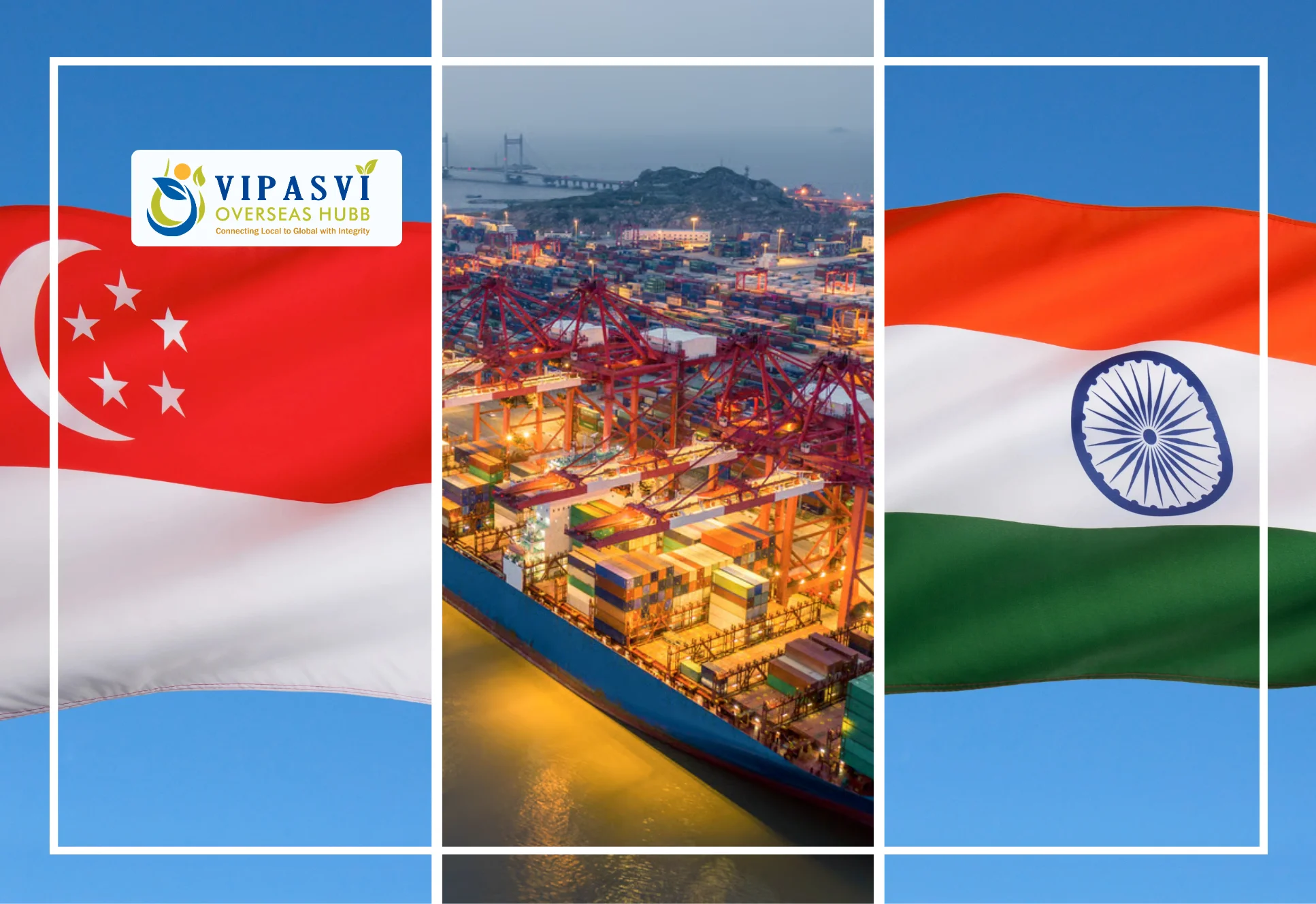
Singapore is India’s largest trade partner in ASEAN, and it imports over 90% of its food, a structural, permanent import dependence. Combine that with a new food-safety framework designed to smooth agri-food trade, and the opportunity is clear. At Vipasvi Overseas Hubb, we see India-Singapore food trade as one of 2026’s most actionable openings for Indian exporters. Here’s the full picture.
1. What Was Signed on 20 August 2026
The 4th India-Singapore Ministerial Roundtable (ISMR) was held in Singapore on 20 August 2026, attended by India’s Finance Minister Nirmala Sitharaman, External Affairs Minister S. Jaishankar and Commerce Minister Piyush Goyal, with Singapore’s delegation led by Deputy PM Gan Kim Yong. The ministers exchanged two MoUs and one Letter of Intent:
- Food safety – an MoU between the Food Safety and Standards Authority of India (FSSAI) and the Singapore Food Agency (SFA).
- Maritime heritage – an MoU between India’s Ministry of Ports, Shipping and Waterways and Singapore’s Ministry of Culture, Community and Youth, linking institutions such as the National Maritime Heritage Complex at Lothal, Gujarat.
- Telecom & broadcasting – a Letter of Intent between TRAI and Singapore’s IMDA.
2. The Food-Safety MoU: Why It Matters Most
For India-Singapore food trade, the FSSAI–SFA food-safety MoU is the headline. Its stated purpose is to facilitate the exchange of technical information related to food safety and to facilitate bilateral trade in agri- and food products.
In plain terms: when two national food regulators align on standards and share technical information, it reduces friction, rejections and duplicated testing at the border the exact costs that slow India-Singapore food trade today. Regulatory alignment is quietly one of the most powerful trade enablers there is, because it de-risks every shipment that follows.
3. Why Singapore Is a Prime Market for Indian Food
Singapore is a structurally attractive destination for India-Singapore food trade for three reasons:
- Import dependence — Singapore imports the vast majority of its food, so demand is permanent, not cyclical.
- Proximity & logistics — short shipping routes and a world-class port make it efficient to serve.
- Diaspora & cuisine — a large Indian-origin population and mainstream demand for Indian food sustain steady consumption of rice, spices, produce and processed foods. Add that Singapore is India’s largest ASEAN trade partner, and India-Singapore food trade has both scale and staying power.

4. What India Already Exports to Singapore
India-Singapore food trade is already active and growing. Under the broader partnership, India has recently expanded exports of litchis, mangoes, cherries and plums to Singapore and secured Singapore Food Agency approval of Indian establishments for export of processed poultry products.
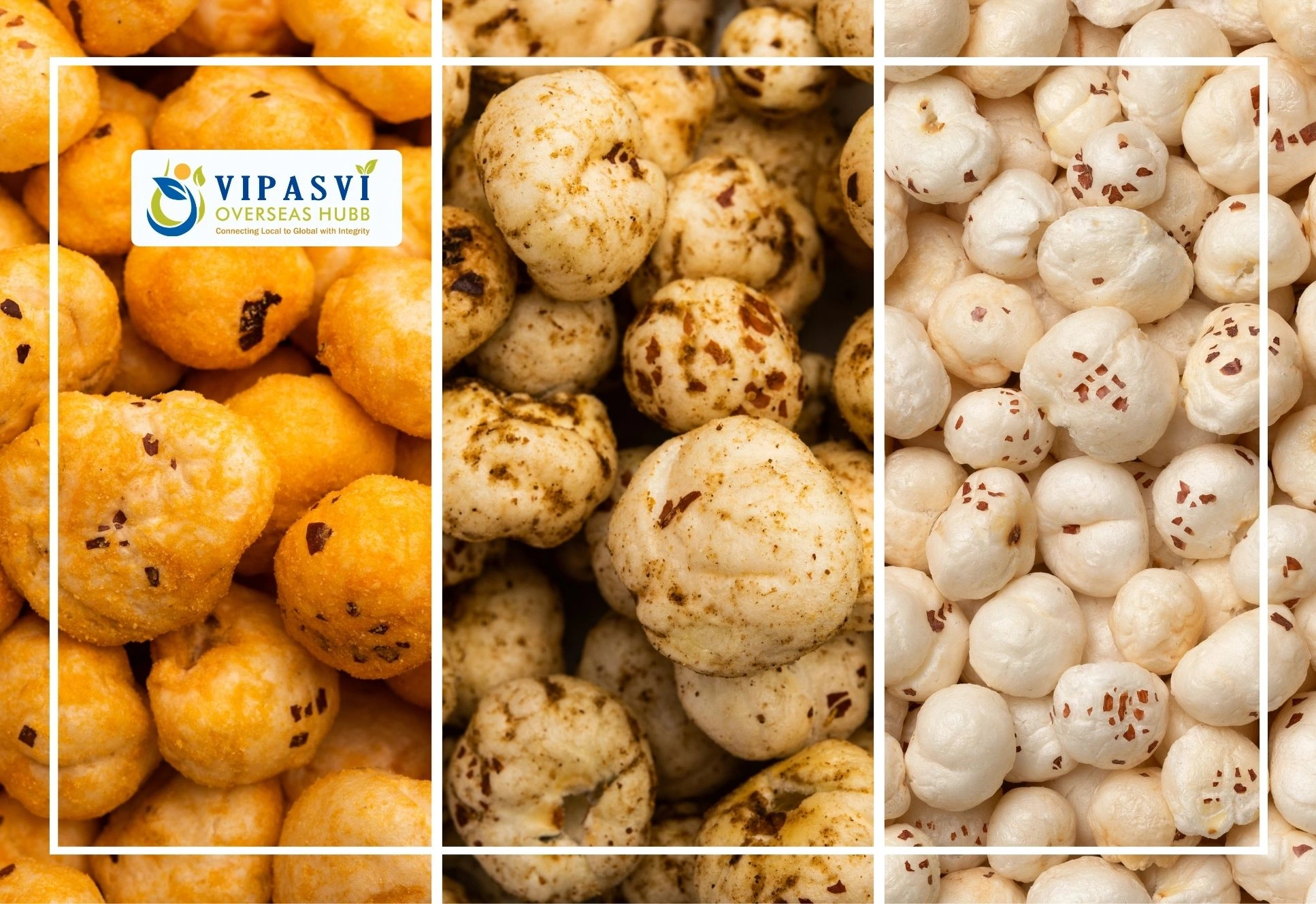
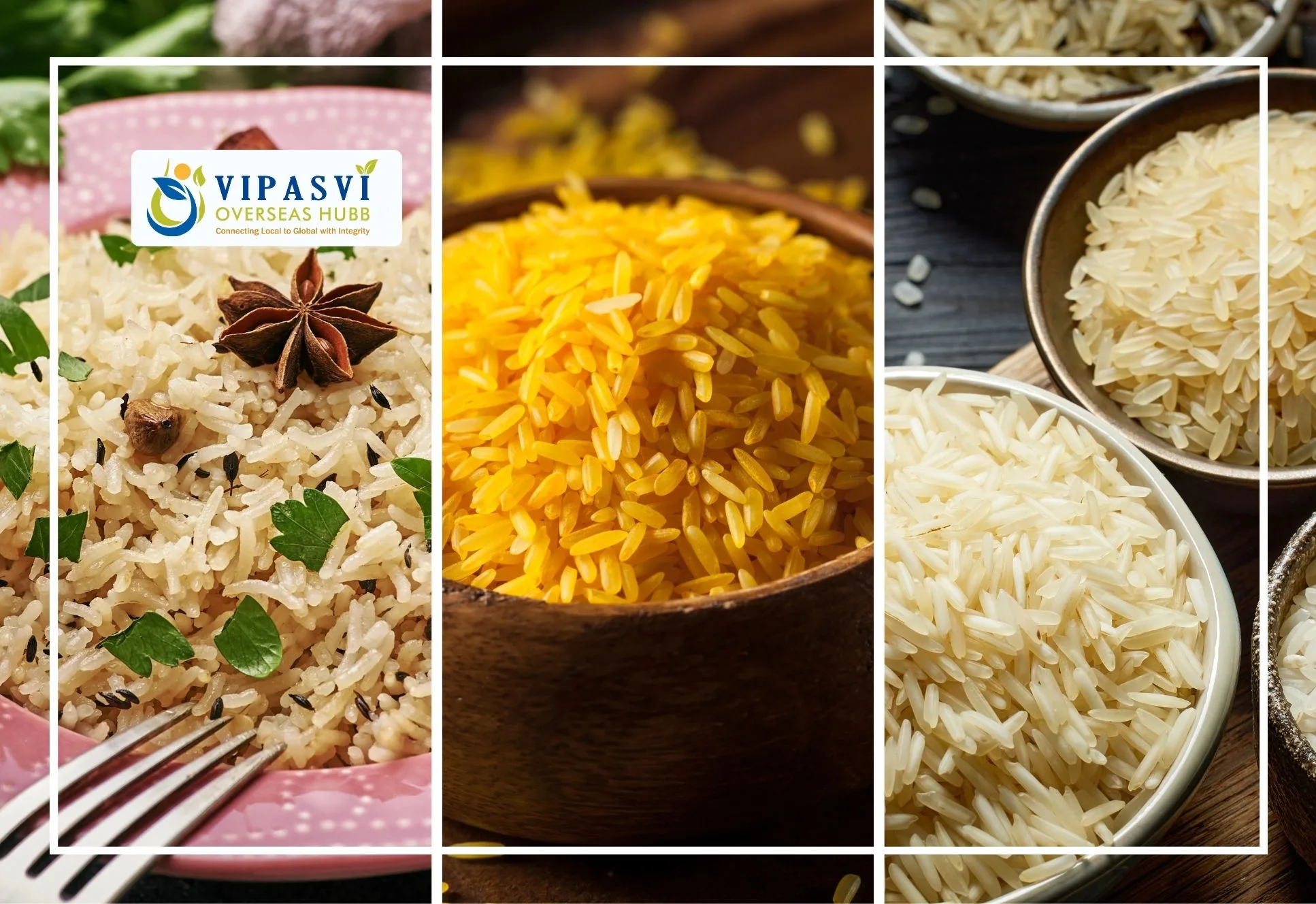
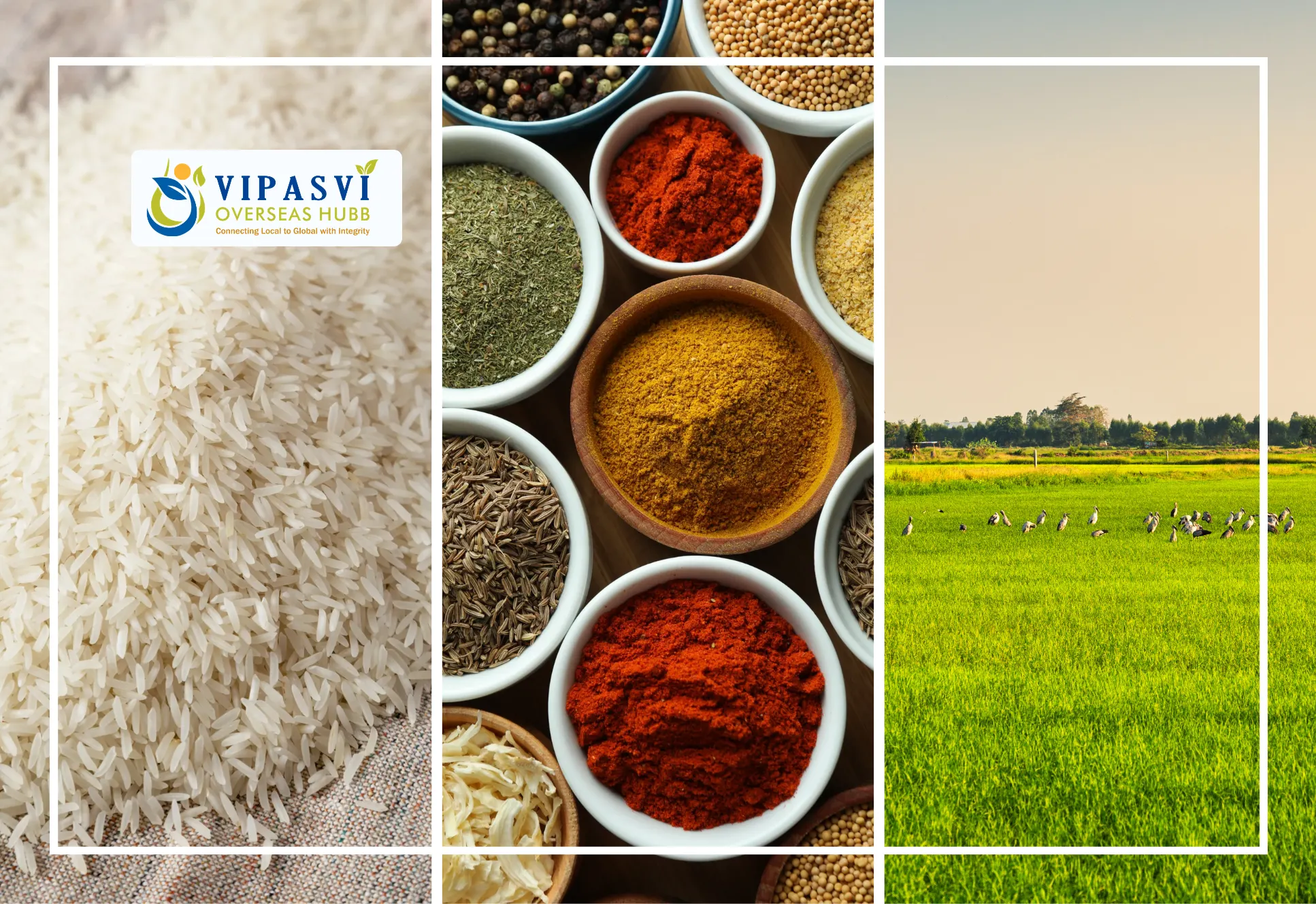
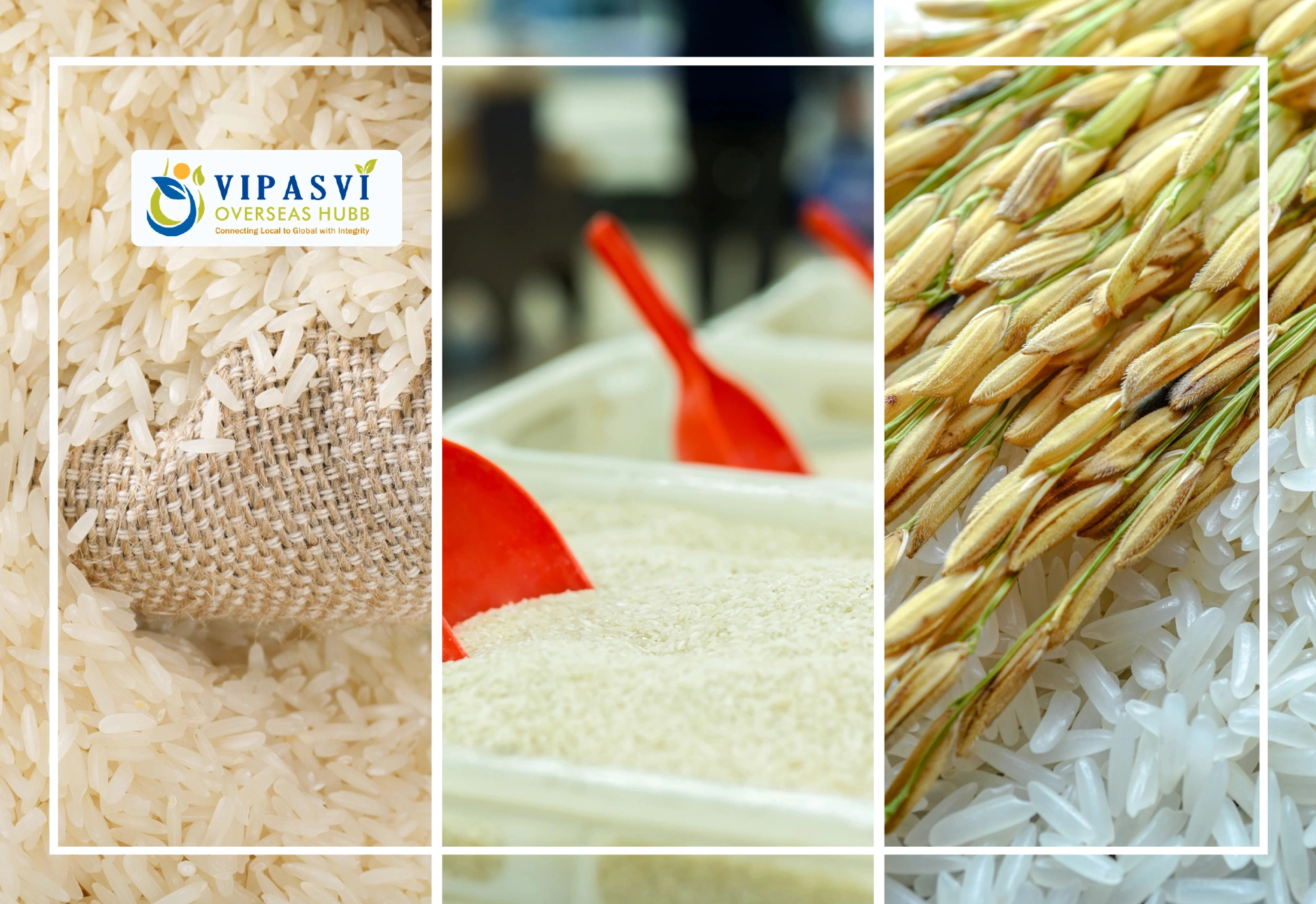
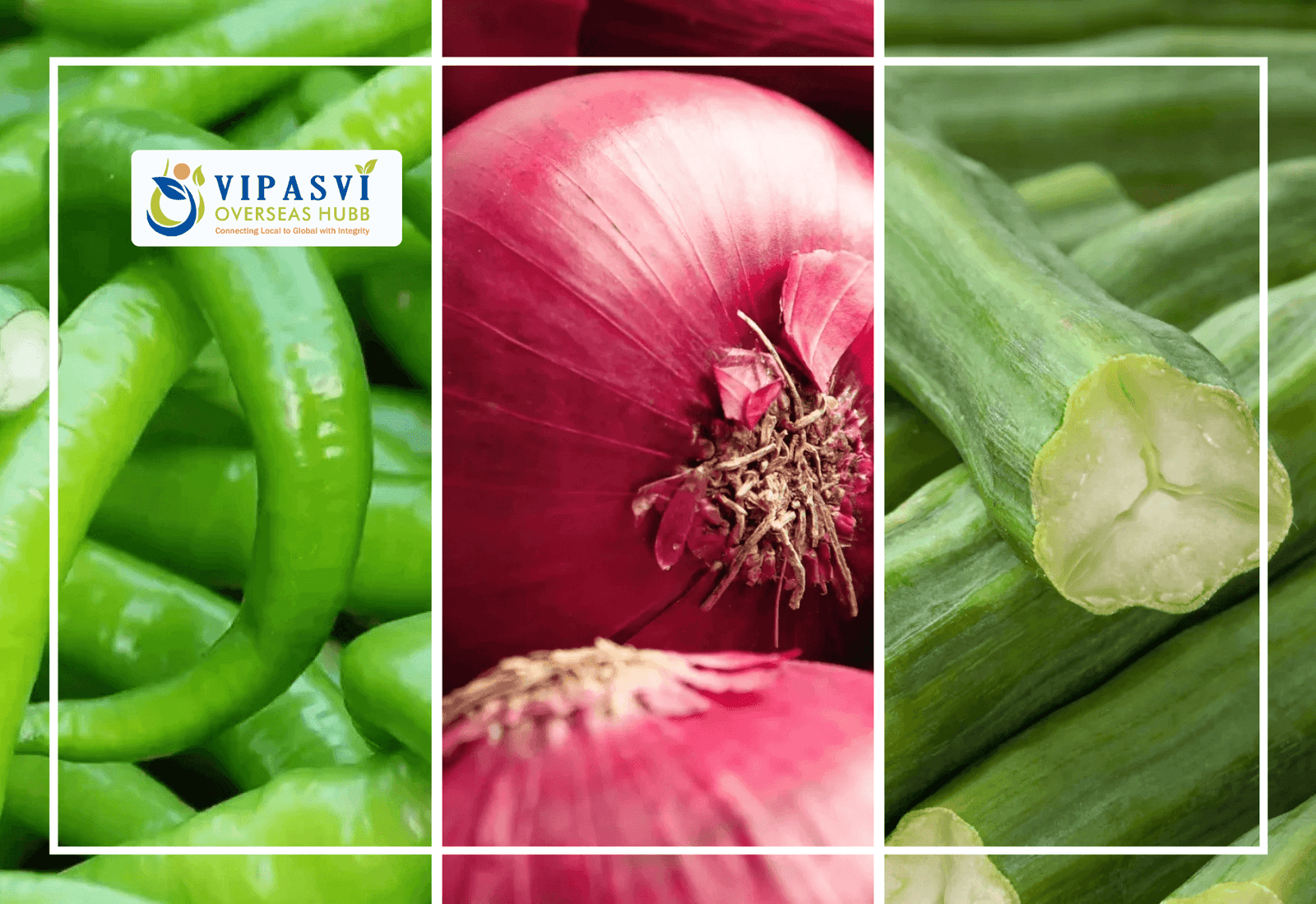
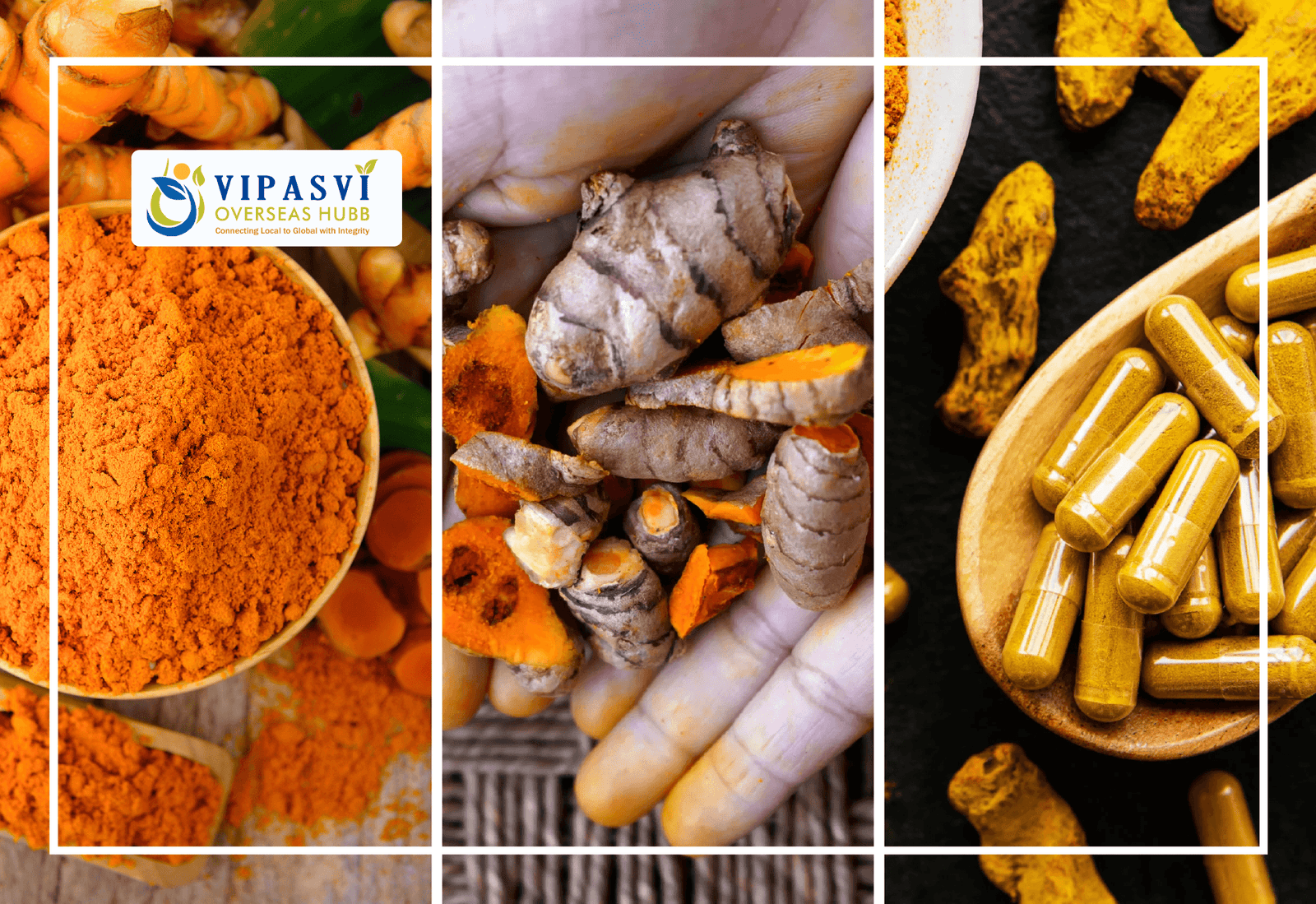
Beyond these, the natural food trade between India and Singapore includes basmati and non-basmati rice, spices and turmeric, fresh vegetables (onions, chillies), makhana and other value-added snacks, and processed foods exactly the categories where Indian exporters are competitive.
5. The Maritime Heritage & Telecom Agreements
While food is the trade story, the roundtable’s other agreements are relevant for context. The maritime heritage MoU (the one featured in the announcement image) establishes cooperation between museums and institutions, including the National Maritime Heritage Complex at Lothal, Gujarat, fitting the two nations’ shared seafaring history. The TRAI-IMDA Letter of Intent covers telecom and broadcasting regulation. Together they show the breadth of a partnership within which India-Singapore food trade sits.

6. How the MoU Smooths India-Singapore Food Trade
Concretely, a food-safety cooperation framework helps India-Singapore food trade in several ways:
- Standards alignment: a shared understanding of food-safety requirements reduces mismatched-standard rejections.
- Technical information exchange for faster clarity on testing, residue limits and documentation.
- Establishment approvals and smoother recognition of Indian facilities (as already seen with processed poultry).
- Predictability: a formal framework lowers the regulatory uncertainty that deters new exporters.
None of this removes the exporter’s obligations, but it lowers the friction around them, which over time increases food trade between India and Singapore.
7. What Indian Exporters Should Do Now
To capitalise on the momentum of food trade between India and Singapore, exporters should:
- Ensure FSSAI compliance and, where needed, meet Singapore Food Agency requirements.
- Obtain APEDA registration (RCMC) for scheduled agri and processed products.
- Test against destination standards, specifically the SFA food safety and labelling requirements.
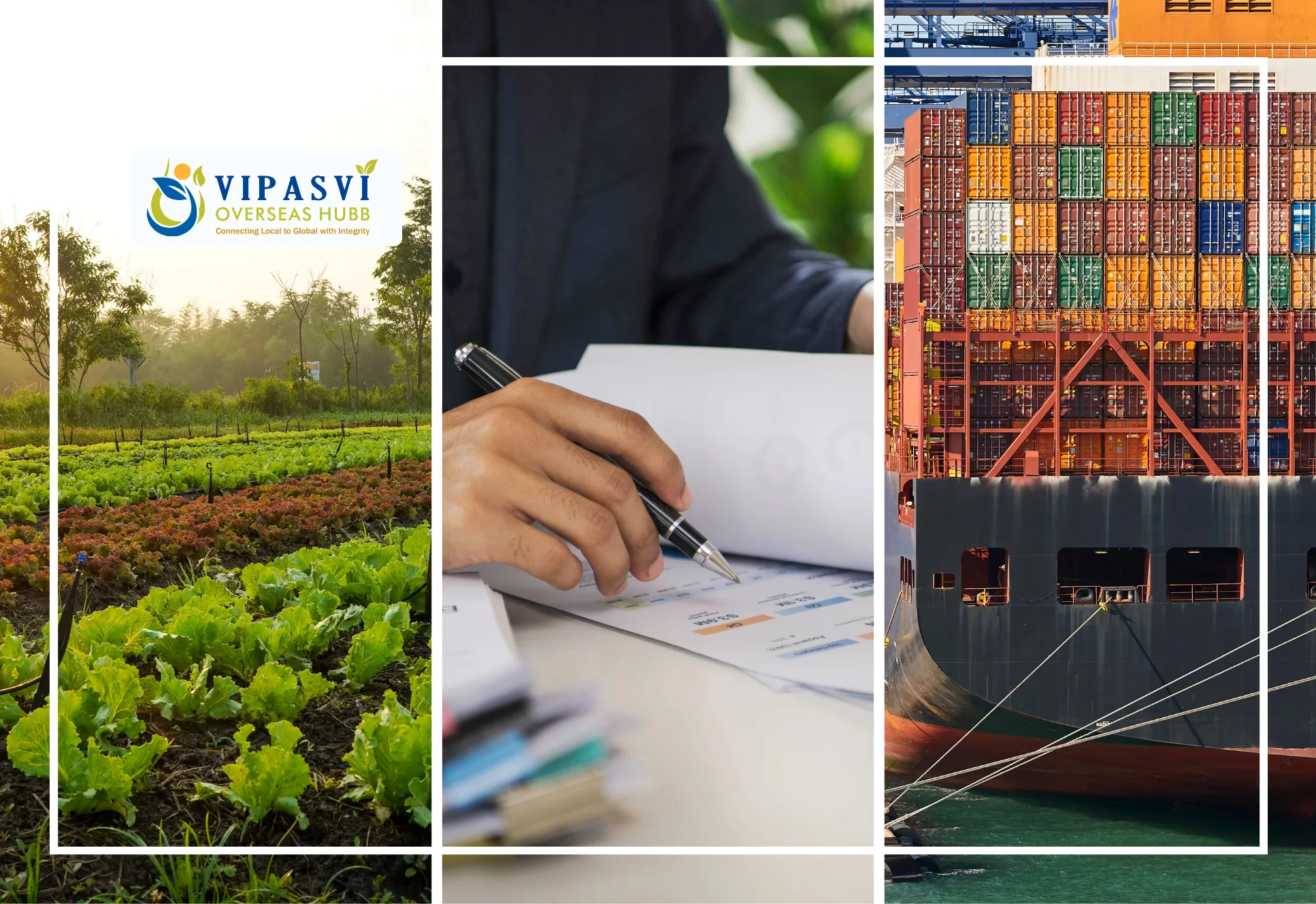
- Prepare complete documentation: invoice, packing list, phytosanitary certificate, certificate of origin, and health certificate.
- Prioritise traceability and clean-label credentials, which premium Singapore buyers value.

8. How Vipasvi Overseas Hubb Helps
The India-Singapore food trade is expanding, and the exporters who succeed will be ready with their documentation and compliance. That is where we focus at Vipasvi Overseas Hubb:
- Product readiness – rice, spices, turmeric, fresh produce and value-added foods processed and tested to standard.
- Compliance support – FSSAI, APEDA and destination-standard documentation are assembled correctly.
- Traceable sourcing – clean, documented supply that meets premium market expectations.
- Reliable delivery – the consistent supply that Singapore’s import-dependent market requires.
If you’re a Singapore buyer or an Indian exporter positioning for this opening, that’s precisely the conversation we’d like to have. Contact Us
Frequently Asked Questions (FAQs)

Ravikiran Sangaare
Position: Founder & Director, Vipasvi Overseas Hubb
Ravikiran Sangaare is the founder & director of Vipasvi Overseas Hubb, a global export company committed to delivering premium Indian agricultural products to the world. With a strong belief in integrity, quality, and farmer partnerships, he leads the company with a vision to bridge Indian fields to international markets through transparency, reliability, and steadfast dedication.